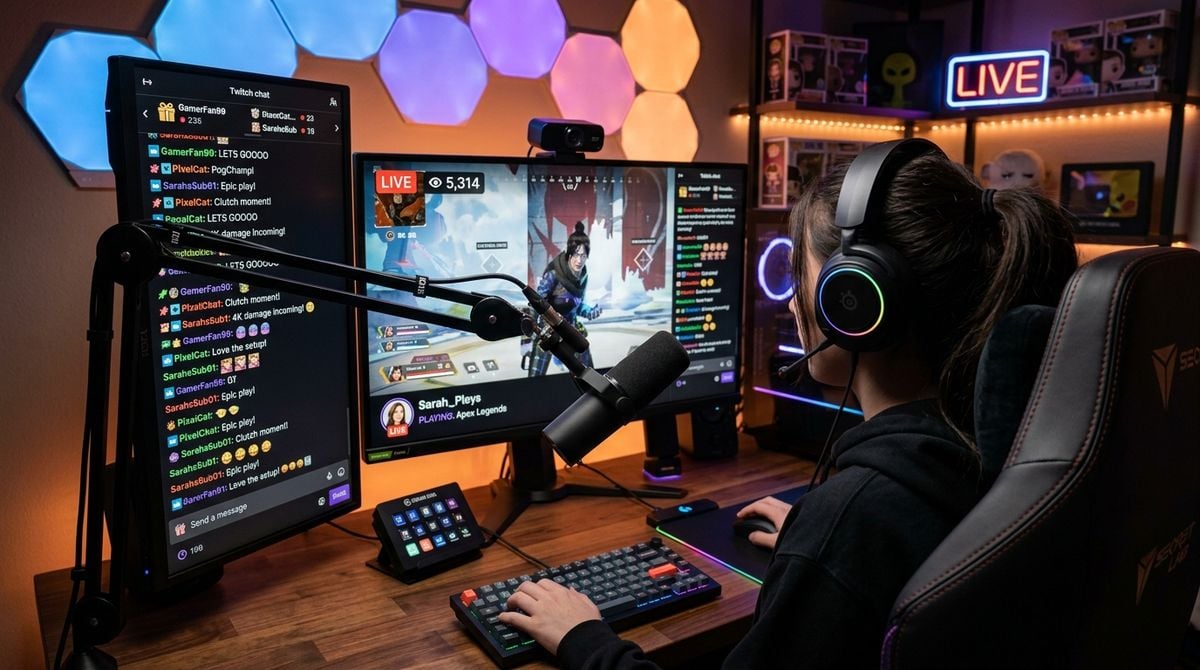
Modern entertainment broadcasting has expanded far beyond simple commentary over recorded video footage. Independent creators, livestreamers, and audio producers now routinely host shows that combine gaming discussions, music analysis, and international cultural reporting for audiences situated across the globe. Bringing these disparate elements together into a smooth, cohesive production demands both creative vision and technical discipline.
When your show covers topics spanning several time zones and cultures, the sonic experience becomes the glue holding your presentation together. A muddy mix, erratic volume swings, or abrasive background tracks can drive listeners away before they absorb your message. Crafting a reliable, clean broadcast sound helps your ideas, guest voices, and musical highlights reach your community with genuine clarity.
Establishing a Balanced Sonic Framework for Global Content
A successful broadcast begins with a clear understanding of your acoustic environment and vocal delivery. Because international audiences listen through a wide variety of devices, including basic mobile earphones, television soundbars, and premium gaming headsets, your master audio must translate smoothly across every playback system.
Start by controlling room reflections. Even modest acoustic treatment, such as hanging dense fabric panels or placing heavy bookshelves along bare walls, significantly reduces room flutter. Unwanted room reverberation blurs spoken words and forces listeners to strain, especially those following the discussion in a second language. Clean vocal capture always forms the foundation of your broadcast mix.
Once your physical space is addressed, apply subtle corrective processing to your primary microphone channel. High-pass filtering removes low rumble caused by desk vibrations or ventilation systems. Gentle equalization tames harsh sibilance without thinning your natural speaking voice. Transparent compression keeps quiet commentary audible while preventing louder reactions during exciting gameplay moments from distorting the signal path.
Gathering Multi-Region Lifestyle and Cultural Coverage
Entertaining broadcasts remain compelling when hosts discuss real stories that reflect human experiences from different corners of the world. Blending gaming culture and contemporary music with everyday lifestyle topics gives a show emotional depth and broad appeal. Producers who explore international perspectives can transition seamlessly from breaking game news to conversations about how creative people live, work, and spend their leisure time.
To keep your segments grounded, draw inspiration from diverse reporting on international everyday life and contemporary lifestyle patterns. Reviewing independent publications like iamthomasjullien.com helps creators discover fresh angles on global living and human-interest topics that enrich casual broadcast banter. These varied viewpoints provide meaningful talking points when analyzing how international developers and musicians reflect daily life in their creative projects.
When introducing these topics on air, allow your audio design to support the narrative mood. If you shift from intense competitive gaming analysis to a thoughtful discussion on international living, let your background music bed reflect that transition. Dropping the tempo and lowering ambient elements signals to your listeners that the tone has changed, creating natural pacing across your program.
Tracking Fast-Breaking Global Trends for Live Formats
Live entertainment shows thrive on immediacy. Whether you host a weekly gaming roundtable, a music premiere livestream, or a general pop culture recap, your broadcast must react smoothly when notable developments occur worldwide. Audiences value hosts who can synthesize breaking developments while maintaining a steady, professional broadcast rhythm.
Maintaining a diverse portfolio of international news resources helps you follow emerging conversations happening outside your local region. Regularly monitoring comprehensive global outlets like lavipost.com allows production teams to follow breaking international stories and broad cultural shifts as they unfold. Having reliable background detail at hand enables you to provide informed context rather than superficial reactions when unexpected topics arise during a live segment.
To manage real-time updates smoothly on air, prepare dedicated sound cues or subtle audio stingers. A brief musical bridge or subtle sound effect helps introduce breaking news segments without jarring your listeners. These sonic cues alert your audience that a fresh topic is entering the broadcast while maintaining the overall artistic continuity of your production.
Selecting and Tuning Equipment for Consistent Transmission
Reliable hardware forms the backbone of any serious audio workflow. Streamers and podcast creators often face overwhelming choices when assembling their recording setups. Focusing on functional gear that suits your room acoustics and technical skill level prevents unnecessary downtime during live shows.
When outfitting your studio, consider your primary broadcast environment before choosing components. Dynamic microphones, for example, typically reject background noise far better than sensitive condenser models in untreated rooms. Pair your microphone with a sturdy low-noise audio interface that provides ample clean gain, eliminating the need to push preamplifiers into noisy ranges.
Creators who want a deeper look at hardware selection can benefit from our guide on evaluating commercial sound gear for broadcasts to understand how different components perform under real production demands. Taking the time to assess equipment systematically supports consistent audio performance during long streaming sessions.
To streamline your pre-show technical check, keep this fundamental setup routine in mind:
- Inspect physical cable connections and secure all microphone mount fasteners.
- Test input gain levels during normal speech and during enthusiastic commentary.
- Verify that headphone monitor feeds remain free from latency and background hum.
- Check software routing to ensure music beds and vocal channels remain separated.
Mixing Dynamic Soundtrack Layers Behind Spoken Commentary
Music selection and real-time mixing separate average broadcasts from truly immersive audio productions. Gaming and music shows rely heavily on soundtrack beds to maintain energy, but background audio can easily overwhelm dialogue if not managed with care.
Implement sidechain ducking on your background music channels. When set correctly, ducking gently lowers the music bed whenever you speak and restores it smoothly when you pause. This automated balance allows your speech to remain prominent without requiring manual fader adjustments while you focus on hosting or playing a game.
Frequency carving further improves vocal clarity. Human speech occupies a distinct frequency range, so gently scooping those mid frequencies out of your background music beds prevents instruments from competing with your voice. This subtle adjustment preserves the rhythm and feel of the music while keeping your spoken words completely intelligible.
Building a compelling entertainment broadcast requires balancing creative storytelling with reliable audio engineering. By sourcing diverse international stories, tracking cultural trends, and refining your studio workflow, you establish a welcoming space for listeners around the world. Thoughtful sound design transforms a standard commentary stream into an immersive, memorable experience that keeps your community returning week after week.