Sound design in modern entertainment rarely stands still. From the subtle rustle of foliage in an indie game to the thunderous sonic signatures of major releases, audio aesthetics constantly shift to meet changing audience tastes. For composers, sound artists, and gaming enthusiasts, keeping pace with these shifts is both inspiring and challenging. Understanding where sound is heading allows you to appreciate media on a deeper level while sharpening your own creative projects.
Staying current does not require chasing every fleeting fad or overhauling your workflow every few months. Instead, it involves building a calm, attentive routine that helps you recognize meaningful creative patterns across interactive media. By cultivating sharp listening habits, studying how different entertainment mediums interact, and organizing your observations, you can easily anticipate modern audio trends without feeling overwhelmed.
Observing How Audio Evolves Across Interactive Media
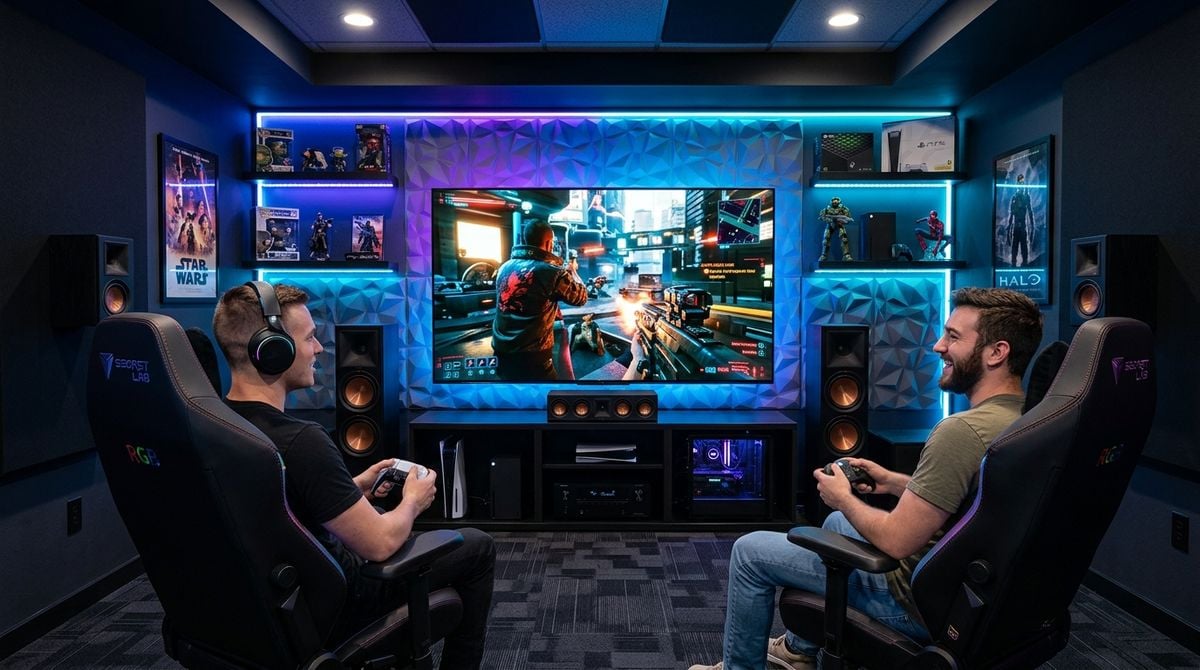
Video games have become the primary testing ground for innovative audio concepts. Because interactive sound must respond to unpredictable player decisions, audio designers constantly develop fresh ways to blend background music, environmental ambience, and interface feedback into a seamless experience. When a release introduces a clever dynamic mixing technique, that idea quickly ripples across television, streaming, and digital broadcast spaces.
In recent productions, traditional orchestral scoring has increasingly shared the spotlight with tactile, close-miked acoustic elements and modular synthesizers. Creators often blend gritty, real-world textures with polished synthetic tones to produce an atmosphere that feels grounded yet otherworldly. Paying attention to these subtle shifts in instrumentation and spatial placement provides valuable clues about broader artistic movements.
Building an Intentional Listening Practice
Most people consume entertainment passively, focusing primarily on visual action or dialogue while treating sound as background accompaniment. Tracking emerging trends requires a conscious shift toward analytical listening. When you play a game or watch a new series, set aside dedicated time to focus exclusively on what you hear. Listen carefully to environmental reverberation in quiet scenes, and notice how dynamic transitions handle shifts in player tension.
Take mental notes on specific sonic choices, such as why a particular low-end frequency was chosen for an impact or how silence punctuates dramatic moments. Creative inspiration often flourishes when you connect these sound choices to broader cultural stories and artistic conversations. Browsing creative storytelling resources like creativediary.net helps you see how narrative ideas, digital entertainment topics, and creative lifestyles intersect, providing fresh context for the audio experiments you observe in modern productions.
Developing this analytical mindset also means comparing different genres. Notice how sports games handle crowd murmur compared to fantasy titles, or how arcade games structure their audio rewards. When you regularly cross-examine different entertainment categories, recurring techniques become obvious long before they turn into industry standards.
Tracking Broader Cultural and Media Influences
Audio trends never develop in isolation. They are constantly shaped by changes in consumer technology, social habits, and lifestyle preferences. For example, the growing popularity of portable gaming devices and personal audio gear has encouraged sound teams to mix audio with greater intimacy and focused stereo imaging. Many listeners experience media through headphones during daily commutes, which alters the balance between delicate Foley work and heavy low-end effects.
Furthermore, broader digital culture moves rapidly, influencing everything from visual aesthetics to the pacing of digital sound. Keeping an eye on trend aggregators such as k10world.com allows you to monitor emerging lifestyle patterns, tech shifts, and popular entertainment discussions that frequently drive new creative directions in commercial audio. When you understand the cultural environment in which media is consumed, subtle audio movements make far more sense.
Pay attention to the cross-pollination between independent creators and large commercial studios. Bold sonic experiments often originate in small, experimental games before being adopted by major franchises. Tracking independent showcases and digital festivals gives you an early preview of aesthetics that may soon enter mainstream media.
Documenting and Categorizing Your Sound Findings
Cultivating great listening habits is only half the process; you also need an effective method for storing your observations. Without an organized reference archive, inspiring moments heard during a gaming session or movie stream are quickly forgotten. Just as we emphasized in our guide to organizing a digital game library, establishing a clear system for cataloging your digital media assets makes your collection infinitely more useful over time.
Create a dedicated digital notebook or audio folder specifically for notable sound design examples. Whenever you encounter a memorable soundscape, an unusual synthetic patch, or an exceptional dialogue treatment, record a quick voice memo or descriptive note. To keep your notes structured and actionable, consider recording a standard set of details for every notable audio moment:
- The genre and platform where the audio technique was encountered
- The primary role of the sound, such as environmental immersion, feedback, or pacing
- Specific acoustic characteristics, including frequency balance and spatial depth
- Ideas on how a similar philosophy could be adapted to personal creative projects
Translating Contemporary Trends into Your Own Work
Tracking trends is not about copying the exact audio signatures of popular titles. Direct mimicry usually produces dated results, as creative cycles move forward quickly. Instead, focus on extracting the underlying design philosophies behind the trends you observe. If you notice a widespread shift toward dry, intimate sound effects, explore how you might evoke a similar closeness using your own sound library.
Experiment with small personal studies rather than large-scale overhauls. Choose a short video clip and redesign its audio using contemporary pacing and modern sound design principles. Alternatively, compose a brief musical cue that merges acoustic instruments with modern synthetic textures. These focused exercises allow you to internalize new production methods without derailing ongoing projects.
Maintaining Curiosity Without Creative Fatigue
With so many new games, shows, and audio releases arriving constantly, it is easy to feel overwhelmed by the sheer volume of content. Protecting your creative energy is just as important as expanding your technical knowledge. You do not need to analyze every piece of entertainment you consume. Allow yourself regular periods of pure recreation where you simply enjoy games and music without dissecting their construction.
Set realistic boundaries for your study habits. Focusing on a handful of standout titles each month yields far deeper insights than skimming through dozens of releases without reflection. When you approach sound with patience, thoughtful curation, and genuine curiosity, tracking modern audio trends becomes a rewarding habit that continually enriches your relationship with interactive entertainment.