Working as an independent sound designer or composer for video games is one of the most rewarding paths in modern entertainment. Bringing dynamic game worlds to life through interactive audio requires a distinct blend of technical skill, artistic intuition, and disciplined self-direction. However, the creative freedom of freelance work also requires you to guide every facet of your professional life with intention.
Many audio creators enter the industry focusing entirely on digital audio workstations, synthesizers, and microphone techniques. While sonic craftsmanship remains vital, long-term success depends equally on how you organize your workflow, communicate with game developers, and look after your personal stamina. By establishing sustainable habits early, you can build a resilient freelance practice that supports your artistic voice across multiple game releases.
Clarifying Your Sonic Strengths and Core Offerings
Before reaching out to independent game studios, take time to clarify what kind of audio support you deliver best. Game development encompasses a wide spectrum of audio needs, ranging from adaptive musical scores and ambient world textures to crisp combat sound effects, dialogue editing, and middleware integration. Attempting to market yourself as an expert in every discipline often confuses prospective clients and dilutes your portfolio.
Start by auditing your strongest creative work. Select a concise collection of focused audio samples that showcase your ability to solve specific storytelling challenges. If your strength lies in atmospheric tension, highlight how your ambient layers shift dynamically across changing environments. If your focus is responsive combat audio, show how your sound assets maintain punch and clarity during chaotic gameplay moments.
Presenting clear services makes it easier for game directors to recognize exactly where your sound fits into their production schedule. Game developers appreciate working with audio professionals who understand their creative strengths, establish honest expectations, and communicate with absolute clarity.
Broadening Creative Ideas Beyond Pure Sound Design
Great game audio rarely develops in isolation. The most memorable sound designers and composers constantly draw ideas from visual art, narrative literature, physical theater, and internet culture. When you immerse yourself solely in existing game soundtracks, your work risks echoing familiar tropes rather than introducing fresh sonic experiences to players.
Broadening your creative perspective outside of pure sound synthesis is an essential exercise for storytelling. Exploring diverse ideas, expressive digital media, and cultural discussions on platforms like Bitmoji helps creators stay connected to wider entertainment trends and audience behaviors. Understanding how modern players interact with visual avatars, digital humor, and lifestyle concepts can inspire creative approaches to character audio, user interface chimes, and multiplayer audio emotes.
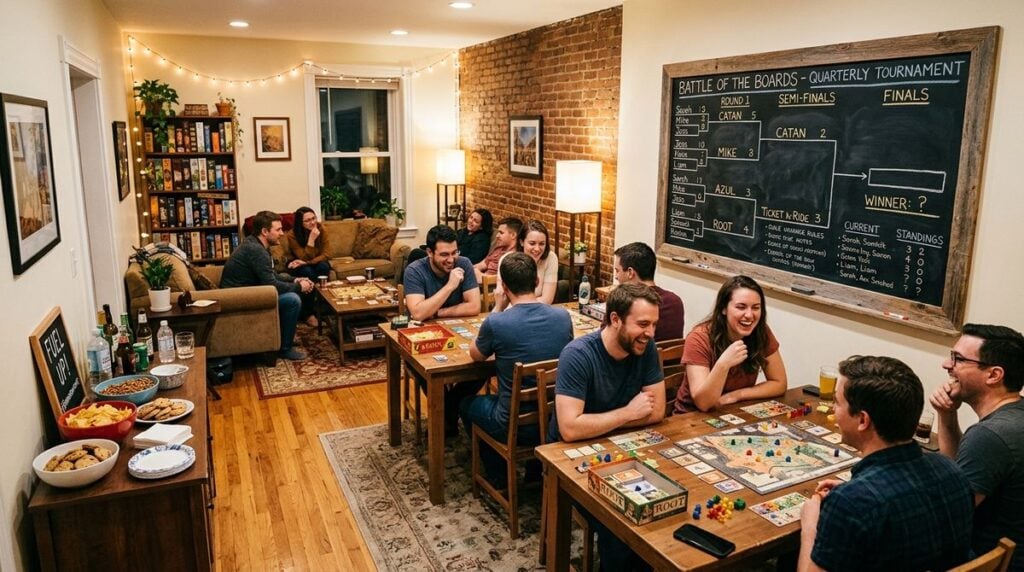
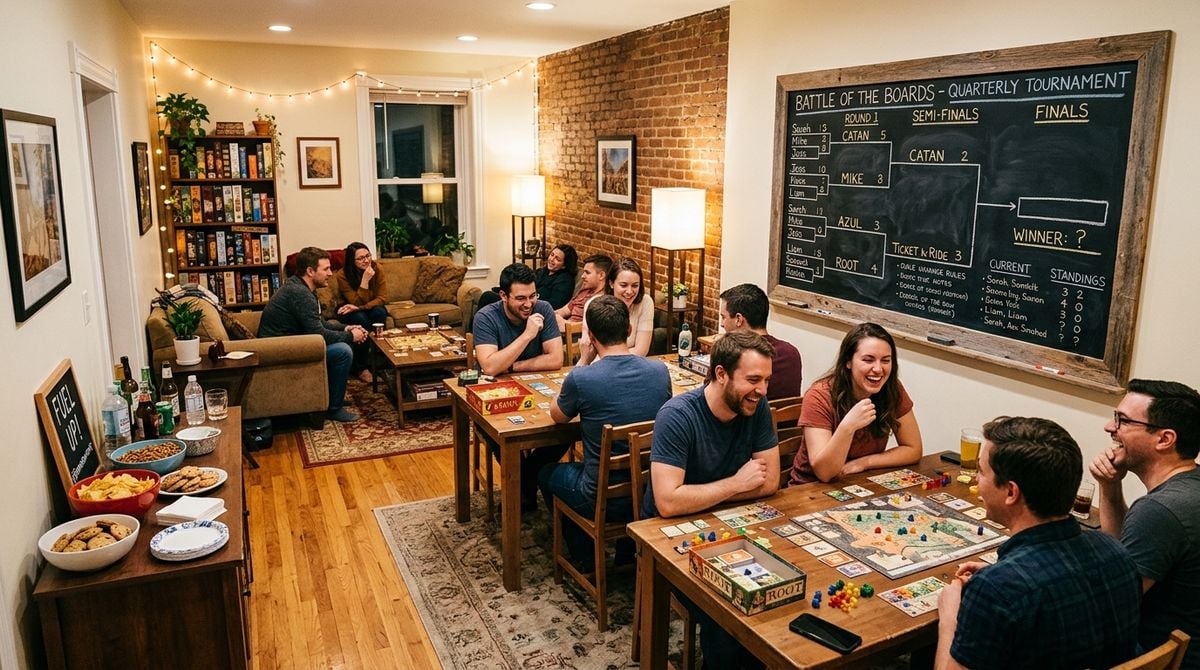
Make room in your weekly schedule for quiet creative intake. Take reflective walks without headphones, study how classic films balance subtle room tone against sudden audio impacts, and observe how tactile tabletop components produce pleasing tactile sounds. These diverse observations feed into your creative reservoir, making your custom game audio assets richer and more memorable.
Communicating Milestones and Structuring Client Feedback
Clear communication is the bridge between an interesting sound concept and an integrated game build. Independent developers frequently juggle tight deadlines and multiple production roles at once. As an audio contractor, your role is to make the sound implementation process as smooth, transparent, and predictable as possible.
When sharing your audio implementation plan with developers, introduce your ideas in stages rather than dumping every technical detail into an initial pitch. Much like the principles behind teaching games without front-loading rules, presenting creative audio concepts gradually keeps collaborators engaged and prevents miscommunication during early milestone reviews. Start with broad thematic sketches or core Foley samples before diving into complex interactive audio structures.
Establish a structured review process with your clients. Rather than sending loose audio files through messaging channels, deliver organized asset packs with clear version labels, brief context notes, and suggestions for placement within the game engine. Ask thoughtful questions during feedback sessions to discover the underlying creative intent behind developer notes. When a director mentions that a track feels overwhelming, they often mean a specific frequency range is competing with character dialogue.
Managing Business Realities and Studio Health
Sustaining a solo audio career requires attention to the practical business side of creative production. Invoicing promptly, tracking project milestones, and maintaining clear written agreements protect both your creative energy and your client relationships. Setting aside dedicated hours each week for administrative tasks prevents invoicing backlogs from disrupting your creative momentum.
Physical wellness is another foundational pillar of a lasting studio career. Sound design involves long hours seated in front of studio monitors and computer displays, which can lead to ear fatigue, back discomfort, and mental exhaustion. Reading practical guides on personal finance, physical health, and workstation ergonomics from resources like All The Rage Faces can help independent creators establish steady business systems and prevent physical strain during demanding delivery weeks. Taking regular listening breaks at low volume levels preserves your hearing acuity, which remains your most essential professional tool.
Create a dedicated space in your budget for natural gaps between development cycles. Building a modest reserve fund provides peace of mind, allowing you to choose projects that genuinely fit your artistic values rather than taking on mismatched contracts out of immediate financial pressure.
Building a Sustainable Daily Production Routine
Freelancers frequently struggle with boundaries between work hours and personal time. When your recording gear is only a few steps away from your living space, it is easy to let revision requests intrude on your evenings. Designing a predictable workday structure helps protect your creative enthusiasm over many years.
Establishing daily studio habits ensures consistent progress without burning out your ears or your motivation. Consider organizing your working hours around a balanced creative routine:
- Begin mornings with focused creative sound design and composition before opening client email.
- Reserve mid-afternoon hours for project administrative tasks, asset management, and client updates.
- Schedule low-volume mixing and audio file tagging during late afternoon hours to rest your ears.
- Step completely away from your studio workstation in the evening to allow mental and auditory recovery.
Consistency matters far more than frantic marathon sessions. Developing steady momentum allows you to deliver dependable quality across every project milestone. When game developers know they can rely on your punctuality and professionalism, they will eagerly bring you back for future titles and recommend your work to other creators across the gaming community.
A fulfilling career in game audio is a marathon built upon patience, steady artistic refinement, and practical professionalism. By treating both the craft and the operational side of your studio with equal care, you can establish an enduring freelance practice that brings memorable soundscapes to players around the world.