Many musicians sit down to practice with genuine enthusiasm, only to find their attention wandering after just a few minutes. Between managing complicated instrument setups, learning demanding performance pieces, and balancing everyday life responsibilities, creative focus can slip away quickly. Without a clear framework, rehearsal time often turns into mindless repetition or aimless noodling that leaves you feeling drained rather than inspired.
Building a sustainable practice routine does not require endless hours of exhausting drills. Instead, it relies on small, thoughtful adjustments to how you organize your environment, structure your rehearsal sessions, and manage your mental energy. By treating your practice time as an intentional craft rather than an unpredictable chore, you can make steady headway while keeping your love for sound alive.
Clarifying Your Immediate Practice Goals
Before picking up an instrument or launching your audio software, take a quiet moment to define what you want to accomplish during the session ahead. Vague goals like playing better or finishing a difficult piece rarely provide enough direction to keep your attention steady. Instead, select one or two specific challenges to address, such as cleaning up finger positioning during a tricky chord transition, refining tone control, or memorizing a short passage.
Developing steady creative momentum relies heavily on your approach to self-discipline and daily mindset. Exploring personal development frameworks on everyblogy.com can help you build stronger habits and align your daily musical targets with meaningful personal growth. When you learn how to set realistic boundaries and celebrate small incremental milestones, your musical development feels far more rewarding and sustainable.
Write your daily objective on a small note and place it where you can easily see it while you play. Having a tangible visual reminder prevents your mind from drifting toward casual wandering. If you finish your stated objective earlier than expected, you can either step away satisfied or deliberately choose a single secondary task to explore with intention.
Organizing Your Studio Workspace and Gear
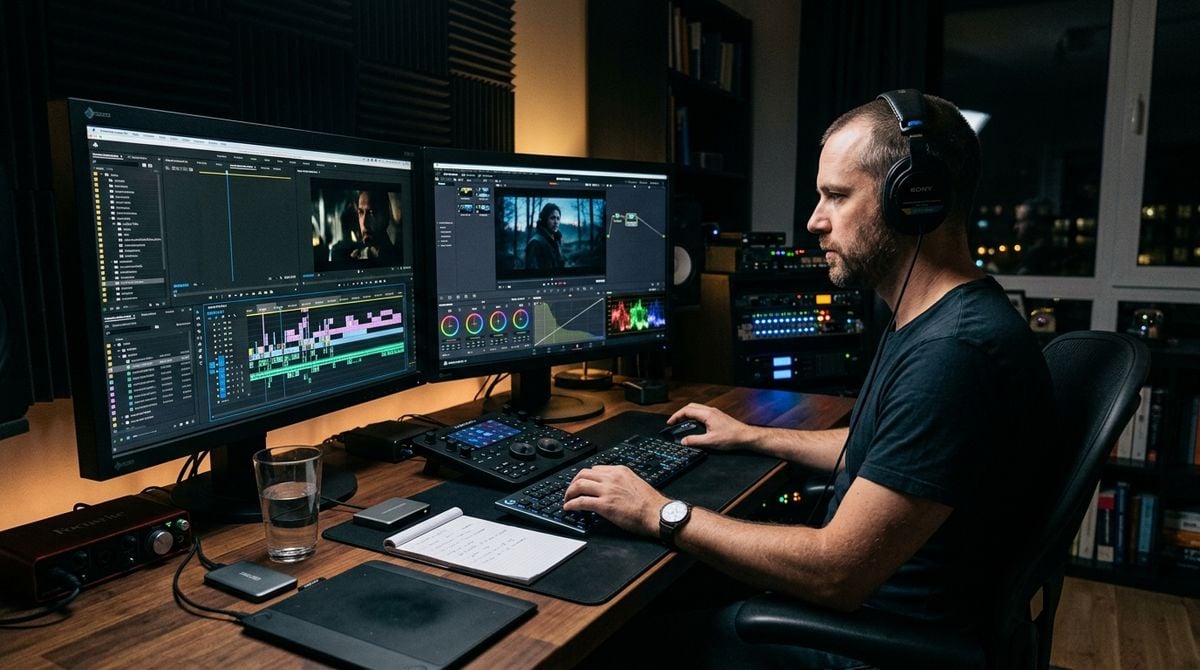
Your physical surroundings have an enormous effect on how smoothly a practice session unfolds. A workspace cluttered with tangled cables, misplaced accessories, and leaning instrument cases creates subtle friction that drains your motivation before you even play a single note. Spending five minutes preparing your space before you begin allows you to start your rehearsal with clarity and calm.
Keep your most essential items within arm’s reach so you do not have to break your concentration once you begin playing. Your instrument stand, tuner, metronome, patch cables, and notebook should have designated places where you can reach them without disrupting your posture. When everything has a dedicated home, you spend your time actually playing rather than searching through drawers for an adapter or a missing pick.
When you rehearse with several instruments or swap between acoustic and electronic gear, physical staging matters just as much as technical skill. If you share a cramped stage or a multi-instrument practice room, reviewing our rehearsal plan for small performances offers sensible ways to arrange your equipment and cut down on physical clutter during transitions. Clean physical staging keeps your mind clear and your hands relaxed.
Troubleshooting Everyday Obstacles and Distractions
Modern life constantly competes for your attention. Smart devices buzz with notifications, unexpected household obligations interrupt your schedule, and practical errands easily crowd out your creative blocks. Protecting your rehearsal time requires both proactive boundaries and practical coping strategies for when disruptions inevitably arise.
Place your phone in another room or switch it to silent mode before you begin. If you use a tablet or computer to display sheet music, chord charts, or reference tracks, turn off communication applications so you are not tempted to check messages between exercises. Inform family members or housemates of your schedule so they know when you need uninterrupted quiet.
Maintaining a creative schedule often gets derailed by routine household errands, urgent chores, and unexpected mechanical or logistical hitches. When you need straightforward advice on sorting out domestic challenges or troubleshooting common lifestyle issues, reading through articledirectorynews.com can give you practical ways to handle daily life problems so they do not eat into your dedicated rehearsal time. Resolving those minor domestic frictions promptly prevents them from lingering in the back of your mind while you attempt to focus on complex musical phrasing.
Structuring a Balanced Practice Block
An effective practice session flows best when divided into distinct phases. Jumping straight into demanding, high-tempo material without warming up can strain your muscles and frustrate your ears. Conversely, spending an entire session on mechanical warmups drains your expressive spirit. Dividing your rehearsal block into clear segments maintains both physical comfort and creative curiosity.
A reliable rehearsal format includes several straightforward elements:
- A physical and auditory warmup that loosens your hands and tunes your ears.
- A dedicated technical segment focused on timing, scale exercises, or chord accuracy.
- A focused repertoire phase where you break down difficult musical passages slowly.
- A brief period of free improvisation or expressive playing without self-critique.
Keep each segment contained within a reasonable time limit. Working through difficult passages at a slow, deliberate tempo allows your muscle memory to form accurate patterns. Always prioritize accuracy and tone quality over speed. If you feel tension building in your wrists, neck, or shoulders, stop immediately, take several deep breaths, and reset your posture. Finishing each session with open-ended play ensures that you end on an enjoyable, expressive note rather than feeling mechanically drained.
Reviewing Progress and Protecting Creative Energy
Consistency matters far more than sheer duration. Practicing for twenty or thirty focused minutes every day produces far better retention and physical ease than an exhausting marathon session once a week. Long, irregular sessions often lead to physical strain and diminishing returns, as tired muscles and fatigued ears struggle to process subtle adjustments.
Take a couple of minutes at the end of each session to write a brief note about what went well and what needs attention next time. Recording a short audio clip of your playing once or twice a week provides an objective record of your progress. Listening back without harsh judgment helps you hear nuances that you might miss while actively executing the parts.
Remember that rest is an active component of skill building. Giving your nervous system time to consolidate what you have practiced allows physical coordination and auditory memory to settle naturally. Step away from your workspace when your session ends, take a walk, and return the next day with fresh ears and renewed curiosity.