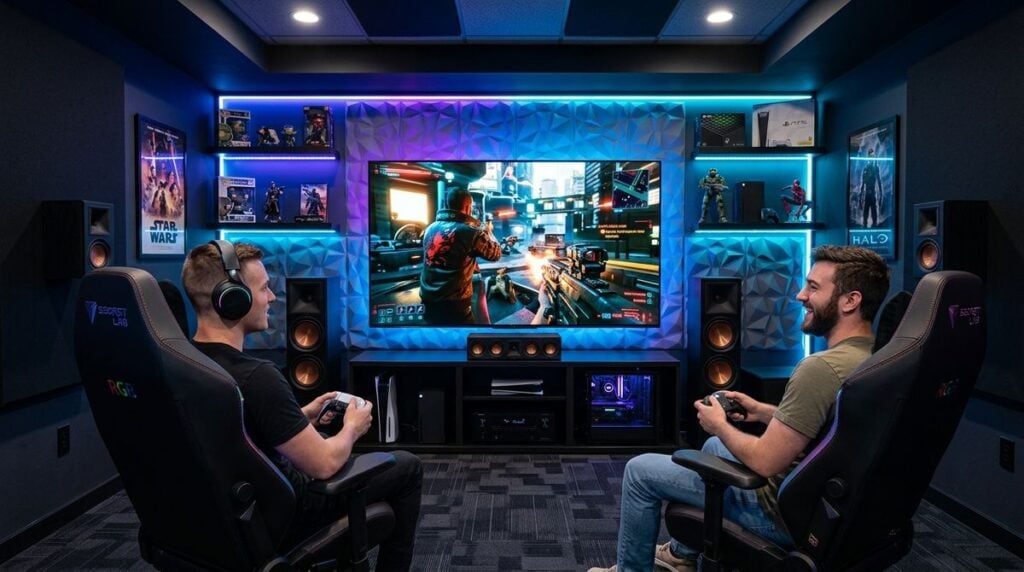
Headphones are part of daily life for many teenagers. They carry music between classes, power long gaming sessions and make voice chats possible. Yet hearing damage builds quietly. A volume that feels comfortable today can cause strain over months, and by the time a problem is noticed, the change may be hard to reverse. This article explains how sound affects the ear, which habits carry the most risk and how a teenager and a guiding adult can set practical limits without turning music or games into a battle.
How sound damages hearing
The inner ear contains tiny hair cells that move in response to sound. Very loud noise, or long exposure to moderately loud noise, can damage these cells, and they do not regenerate in the way skin does. This is why the damage is often permanent. Early signs are easy to miss, such as needing to turn the volume up to hear speech or a faint ringing after a session ends.
Loudness is not the only factor. Duration matters, and so does the type of headphone. In-ear designs sit close to the eardrum and can deliver intense sound at lower settings, while over-ear designs spread sound more gently. Background noise also pushes people to raise the volume, which compounds the risk. A quiet room can make a lower setting feel perfectly clear.
Habits that increase risk
Several habits are common among young listeners. Using headphones at the loudest setting for long periods is the most obvious. Falling asleep with music playing is another, because the volume may stay high without anyone noticing. Sharing earbuds with friends can spread ear infections, and wearing headphones on a noisy bus or train often leads to turning the sound up to compete with the din. Each habit seems minor alone, but together they add up over time.
Many teenagers also underestimate how long they have been listening. Gaming and music sessions can run for hours, and breaks are easy to skip when a match or playlist is engaging. Adults can help by noticing patterns rather than only commenting on volume. A short question about how long the session has lasted often reveals more than a lecture about loudness.
Practical limits that work
A useful rule is to keep the volume at a level where you can still hear someone speak a short distance away. If you need to raise your voice to be understood, the sound is probably too loud. Use the device’s own volume limit if one is available, and check whether any game or music app offers a separate volume control. Set the limit once and leave it alone, so the decision is not made in the middle of a session.
Take regular breaks. A short pause every hour gives the ears a rest and gives the mind a chance to reset. Choose headphones that fit comfortably, since a poor fit often pushes the volume higher. Noise-reducing designs can help in loud environments because they reduce the need to turn the sound up. Readers may also want to visit Chung CU Luxury Apartment.
Signs that need a professional check
Some signs should prompt a visit to a qualified professional rather than a wait-and-see approach. These include ringing that does not fade, muffled hearing that lasts more than a short time, dizziness or pain in the ear. A general practitioner can check for infection or wax build-up, and an audiologist can carry out a formal hearing test. Early assessment gives the best chance to manage any problem.
Adults should also watch for changes in how a teenager responds to speech in noisy places, such as asking people to repeat themselves or turning the television louder than usual. These changes are not proof of hearing loss, but they are worth discussing with a professional. You can also visit studioroom906.com for more reading.
Making the conversation work
Hearing protection is easier to adopt when the teenager understands the reason for it. Explain that the damage is gradual and cannot easily be undone, and invite them to test the difference themselves. Try a session at a safer volume and ask whether the game or song still feels enjoyable. Many young people discover that clear sound at a moderate level is more satisfying than loud, distorted audio.
For a related read on this site, see How to Build a Dual Media Space for. Keep the tone friendly and collaborative, and agree on a review date to see how the new habits are working.
Headphones are a wonderful way to enjoy music and games, and they do not need to be avoided. The aim is protection, not punishment. A sensible volume, regular breaks and prompt attention to warning signs will keep hearing healthy for years. Start with one change this week, perhaps setting a volume limit, and build from there.