
The pursuit of a freelance career in game audio and music production offers immense creative freedom, yet it demands a high level of operational discipline to sustain. When you move beyond hobbyist projects to professional commissions, the focus must shift from pure artistic output to managing your business as a structured entity. Many talented creators find that their progress stalls not because of a lack of skill, but due to an inability to manage the logistical complexities that accompany successful projects. Creating a sustainable framework for your business allows you to dedicate more mental energy to the work you love while ensuring your operations remain stable and predictable.
Defining Your Creative Workflow
A consistent workflow is the backbone of any professional creative business. Without defined processes, you are forced to reinvent your approach for every new project, which inevitably leads to inefficiency and burnout. Start by documenting your standard operating procedures for the entire lifecycle of a commission. This includes initial communication, requirement gathering, preliminary asset creation, iterative feedback loops, and final delivery protocols. By standardizing these stages, you reduce the cognitive load required to manage each client, allowing you to focus your efforts on the quality of your sound design or composition.
Consider creating project templates that house your session structures, naming conventions, and file organization systems. These templates should be universal enough to adapt to different game engines or studio requirements while providing a familiar starting point for every assignment. When your environment is organized and predictable, you can navigate complex soundscapes and technical requirements more swiftly, leading to higher client satisfaction and more professional outcomes.
Building a Knowledge Repository
Information management is a critical skill for freelancers who must constantly adapt to new technologies, industry trends, and technical specifications. As you encounter new challenges in sound production or project management, you should document your solutions in a searchable repository. This could be a simple note-taking system or a more sophisticated knowledge management tool. The goal is to ensure that when you face a recurring problem, you do not have to waste time searching for the answer from scratch.
Developing a personal library of techniques and theoretical knowledge is equally important. Whether you are learning about complex middleware implementation or refreshing your understanding of acoustic principles, having a central hub for your professional development ensures you remain competitive. For those looking to expand their educational resources, eastavenuebooks.com offers a straightforward way to learn about various topics and organize your educational materials effectively. By curating your knowledge systematically, you create a foundation for continuous growth and faster troubleshooting, which is essential when deadlines are tight and technical issues arise.
Managing Your Legal and Contractual Foundation
The legal aspects of your business are often the most intimidating, yet they are the most important for protecting your professional standing. Every agreement you enter should clearly define the scope of work, payment terms, intellectual property rights, and procedures for project revisions. You cannot afford to rely on informal verbal agreements in professional game production. Establishing a set of standard contracts that cover these essential areas will save you from potential conflicts and ensure that you are fairly compensated for your work.
When you encounter complex legal scenarios, it is vital to have resources that help you interpret the terminology and implications of the contracts you sign. Understanding the basics of contract law helps you spot potential issues early. For guidance in navigating these matters, Diving Legal Consultant provides a way to make the law easier to understand and more accessible for professionals. It is also important to integrate these practices into your daily business management. To ensure you are fully covered, you can also read more about protecting creative rights to understand how these concepts apply specifically to the challenges faced by independent creators in the gaming industry.
Scaling Your Creative Operations
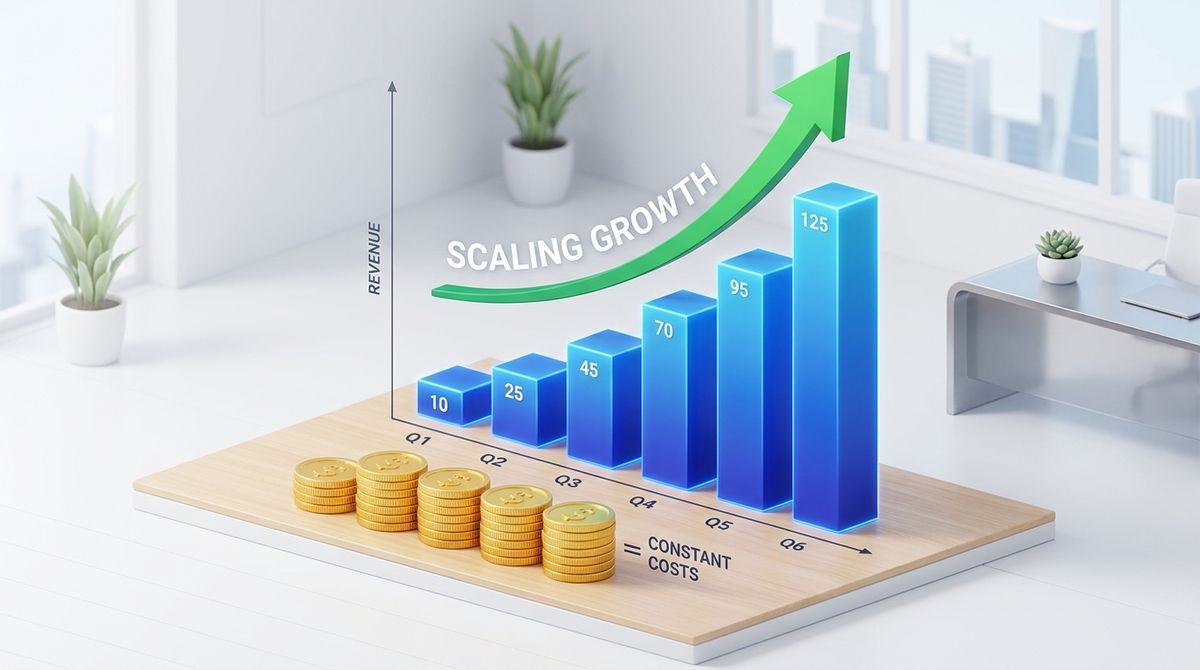
Scaling your operations does not necessarily mean taking on more work than you can handle, but rather optimizing how you use your time and resources. True scalability comes from automating repetitive tasks and streamlining your communications. If you find yourself sending the same emails or performing the same file management tasks repeatedly, seek ways to refine these processes. Effective scaling also involves setting clear boundaries regarding your availability and project intake to avoid overloading your capacity.
To keep your operations focused and sustainable, consider focusing on these practical steps to maintain control over your creative business:
- Establish clear communication windows with clients to prevent constant disruptions.
- Implement a consistent file backup strategy to protect your creative assets.
- Review your project management system regularly to identify bottlenecks.
- Set aside dedicated time for administrative tasks rather than mixing them with creative work.
- Maintain a clear distinction between your personal space and your professional workspace.
By treating these administrative tasks with the same rigor you apply to your artistic work, you create a structure that supports long-term success. These measures allow you to remain creative and productive even when you are managing multiple projects simultaneously.
Balancing Knowledge and Workflow
Achieving a balance between artistic innovation and business management is a lifelong process. It requires you to be honest about your strengths and limitations, and to invest time in improving both your technical skills and your operational habits. Remember that a successful business is not just about the work you produce, but also about the systems you build to deliver that work reliably and professionally.
Continuously refining your workflow and updating your knowledge repository will keep you prepared for future opportunities. By integrating legal safeguards and efficient management habits into your daily routine, you are setting the stage for a sustainable creative career. Stay organized, remain curious, and never underestimate the impact that professional structure has on your ability to produce exceptional sound and music for years to come.