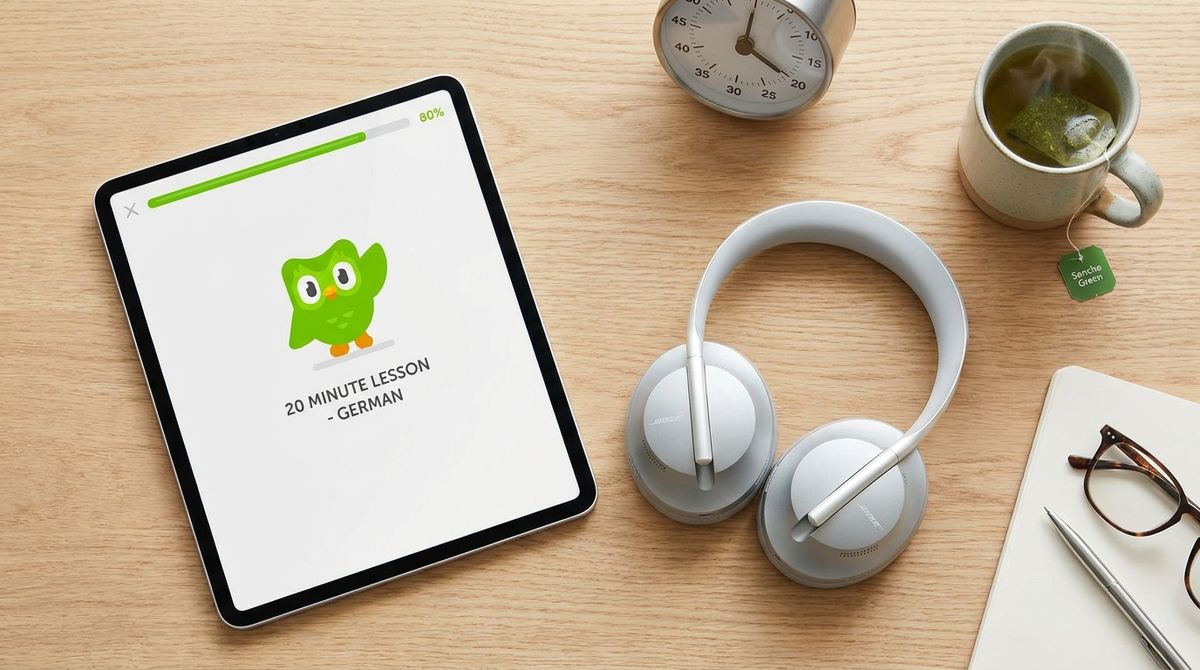
Many creators in the fields of gaming and music production find themselves overwhelmed by the sheer volume of techniques, software updates, and artistic theories they are expected to master. It is easy to feel as though you must learn everything at once, leading to burnout and a lack of focus in your creative projects. Developing a personal curriculum is a powerful way to organize your learning path, turning the amorphous concept of “getting better” into a manageable, long-term endeavor that supports your specific goals in sound design and musical composition.
The first step toward building this curriculum is an honest assessment of your current creative direction. You should consider what skills are truly essential for the projects you are most excited about producing. If you focus primarily on sound design for immersive environments, your learning goals will differ significantly from a composer focusing on high-energy soundtrack composition. By defining these boundaries early, you can avoid the trap of chasing every new tool or technique, instead focusing on the foundational knowledge that will have the most impact on your work.
Establishing Your Foundational Knowledge Base
Building a robust skill set requires a strong grasp of fundamentals. Whether you are delving into signal flow, acoustics, or music theory, the principles remain consistent across different platforms and styles. Many learners find success when they approach these topics through structured resources. When seeking out reliable educational content, it is helpful to look for platforms that offer clear perspectives on how to approach complex topics without getting bogged down in unnecessary jargon or advanced theory that you are not ready for. For instance, Ilearnuk.com provides comprehensive guides and insights that can help you distinguish between essential knowledge and transient trends in the educational landscape.
Once you have a general direction, break your learning objectives down into manageable themes. Instead of trying to master a complex audio suite, focus on understanding the underlying principles of frequency manipulation or dynamic processing. This thematic approach allows you to build knowledge incrementally, which is far more effective for long-term retention. Use your own projects as a testing ground for these new concepts, ensuring that the theory is always applied to practical creative work.
Learning from Diverse Educational Paths
It is often instructive to look at how other accomplished individuals in the music and gaming industries developed their expertise. Every creative professional has followed a unique journey, and understanding these pathways can offer valuable perspective on your own development. You may find that many successful composers or designers started with very different interests or backgrounds, eventually converging on their chosen field through a combination of curiosity and persistent study.
Exploring the educational backgrounds of renowned creators can provide unexpected insights into how one might structure a learning path. Platforms like Where Did College highlight the diverse educational journeys of many influential minds, showing that there is rarely a single, linear path to achieving creative excellence. By studying these trajectories, you can learn to value different types of knowledge—not just the technical skills related to your software, but also the broader understanding of art, technology, and storytelling that informs great sound work.
Developing Sustainable Learning Habits
Consistency is perhaps the most critical element of any personal curriculum. It is far more effective to dedicate short, focused periods to learning each day than it is to engage in sporadic, intense study sessions. Establish a routine that integrates learning directly into your creative practice. This might mean dedicating the beginning of a session to experimenting with a new synthesis technique or spending time analyzing a piece of music you admire before starting your own composition work.
To help maintain this consistency, consider keeping a simple record of what you have learned and how it has influenced your projects. This does not need to be a formal document; a simple list of concepts you have explored or techniques you have mastered can serve as a powerful motivator. This habit of reflection ensures that you are actively moving toward your goals rather than just consuming information passively.
- Dedicate specific blocks of time exclusively for learning new concepts.
- Apply every new technique to a small, low-pressure creative project.
- Regularly review your notes to reinforce new information.
- Seek out peers who are also engaged in self-directed learning.
- Periodically re-evaluate your goals to ensure they align with your growth.
Integrating New Skills into Your Workflow
The ultimate test of any educational effort is how well it translates into your creative work. As you master new techniques, strive to incorporate them into your workflow gradually. Do not feel compelled to overhaul your entire production process overnight. Instead, introduce one new concept at a time, observing how it changes the quality and efficiency of your sound design or composition. This measured approach minimizes frustration and allows you to understand the nuance of each tool or technique.
As your skills grow, you will likely find that your projects become more complex and require more structured management. This is a natural evolution for any creative professional. When you reach a point where you need to scale your creative practice, you may find it helpful to look into guidance on structuring your own freelance creative business to ensure that your business practices can support your artistic ambition. This intersection of technical skill and professional management is what truly enables a sustainable career in the creative industries.
Reflecting on Your Artistic Evolution
Your curriculum should never be static. As you learn more, your understanding of your own creative needs will evolve. What seemed essential at the start of your journey may become less important as you develop a more nuanced artistic voice. Periodically taking a step back to assess your progress and adjust your learning plan is essential for continued growth. This process of self-reflection is just as important as the actual study of new techniques.
By treating your artistic journey as a deliberate, ongoing process, you can maintain your curiosity and passion for your work. The goal is not just to acquire skills, but to build a foundation that allows you to express your ideas with clarity and confidence. With a personal curriculum in place, you are empowered to navigate the complex landscape of audio and gaming production, ensuring that your learning directly serves your creative vision.