For those involved in demanding creative pursuits, whether as musicians navigating live tours or as competitive gamers engaged in intense tournament schedules, the pressure to perform at an elite level is a constant reality. This expectation often leads to a cycle of intense effort followed by exhaustion. Developing a foundation of resilience is not just about pushing through difficult moments; it is about building sustainable habits that allow for consistent focus, emotional regulation, and sustained creative output over time.
Understanding the Nature of Performance Pressure
Performance pressure often manifests as a combination of internal and external expectations. For a musician on stage, the weight of a live audience can amplify self-critical thoughts. For a competitive gamer, the immediate nature of feedback during a match can lead to rapid shifts in stress levels. Recognizing that this pressure is a common element of these fields is the first step toward managing it.
Many individuals mistakenly believe that the only way to succeed is to maintain a state of heightened arousal and intensity indefinitely. However, this approach is rarely sustainable and often leads to diminished performance. Instead, finding ways to channel that energy into focus, rather than anxiety, is key. This involves understanding your personal triggers—the moments when stress begins to manifest physically or mentally—and developing a set of responses that help you regain composure.
The Physical Impact of Sustained Focus
The physical toll of long performance or gaming sessions is significant. Extended periods of sitting or standing in a fixed position, repetitive motion, and intense mental concentration can lead to tension that accumulates in the neck, shoulders, and back. Over time, this tension not only affects comfort but can also hinder fluid performance.
Many performers overlook the essential foundation of overall physical well-being. Finding reliable information on maintaining health is crucial for long-term endurance in demanding creative careers. Resources like Hospitalroad.com offer perspectives on the importance of prioritizing health as a central component of professional performance.
Maintaining physical health involves more than just addressing discomfort when it arises; it requires proactive management. This includes staying hydrated, ensuring adequate nutrition, and incorporating movement into the daily routine to counteract the sedentary nature of much studio and gaming work.
Practical Techniques for Stress Reduction
Mental preparation and stress management are vital for maintaining poise in challenging situations. Relaxation techniques, such as those found on dental-hypnosis.com, can be highly effective in reducing the impact of pressure before or during a session.
Developing a consistent routine to manage stress can transform how you approach performance. Simple, accessible methods often yield the best results because they can be integrated easily into a busy schedule.
- Incorporate deep, rhythmic breathing before beginning a session to center your focus.
- Use visualization to mentally walk through your performance or match, anticipating potential challenges and planning your responses.
- Establish a consistent pre-session ritual that signals to your mind that it is time to transition into a focused state.
- Practice progressive muscle relaxation to consciously release tension held in the body.
- Set clear, achievable goals for each session rather than focusing solely on the final outcome.
These techniques help create a sense of control and predictability, which directly counteracts the chaotic or unpredictable nature of high-stakes performance.
Integrating Rest into Your Routine
Rest is not an alternative to work; it is a critical component of high-quality output. The ability to disengage fully allows the nervous system to recover and prepares the mind for the next period of intense concentration. Many creative professionals feel guilty when taking breaks, but this perspective is counterproductive.
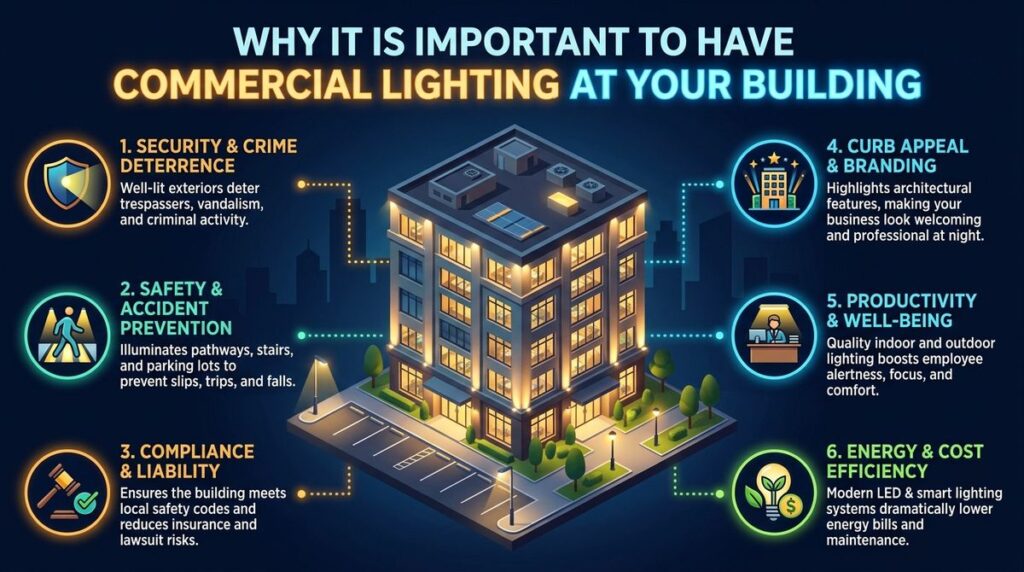
The environment in which you work also plays a major role in your ability to maintain stamina. By improving your studio lighting environment, you can create a more soothing and focused setting that supports extended creative work without contributing to premature mental fatigue.
Integrating small, frequent breaks into your schedule can also prevent the buildup of stress. This might mean stepping away from the screen or instrument for a few moments, stretching, or simply closing your eyes. These brief periods of rest allow for the recalibration of focus and can significantly enhance the quality of work produced over an entire session.
Maintaining Long-Term Creative Well-being
True resilience is built over the long term. It involves balancing the intense demands of performance with habits that nurture your overall well-being. This requires a shift in mindset: seeing health and balance as investments in your career rather than distractions from it. When you treat your well-being as a foundational part of your creative work, you become better equipped to handle the fluctuations of a demanding career.
Cultivating a supportive network, setting boundaries around your time and energy, and regularly checking in with yourself are all essential practices. It is important to remember that the goal is not to eliminate stress entirely, which is impossible in high-stakes environments, but to develop the capacity to navigate it successfully.
By consistently applying these principles, you can create a sustainable path that honors both your creative ambition and your need for balance. Resilience is not a finite resource; it is something that is cultivated, reinforced, and refined through daily practice and deliberate choices, allowing you to engage in your work with greater clarity and enduring focus.