Every memorable game leaves a lasting impression that lingers long after the display turns off. While striking visuals and fluid mechanics capture early attention, sound design often cements a project into the memory of its players. When a distinct victory chime, an unsettling monster cue, or a snappy interface click resonates with players, it quickly transcends the boundary of the game itself.
Modern gamers interact with entertainment far beyond traditional single-player sessions. They share highlights, participate in digital spaces, and celebrate shared gaming moments across diverse online channels. For audio creators, sound designers, and independent developers, learning how to construct audio cues that thrive within active social groups has become an essential craft.
Understanding the Role of Audio in Player Retention
Audio hooks serve as functional landmarks within interactive software. When a player completes an objective, encounters an unexpected hazard, or discovers a hidden area, sound delivers immediate validation. Visual feedback can easily get lost in dense environments, but clean sound cues cut straight through the visual noise to deliver essential gameplay context.
The emotional impact of these sound markers shapes how players remember their experience. A well-timed audio sting elevates a routine task into a satisfying victory. When players feel rewarded by acoustic feedback, they build subconscious attachments to core mechanics, making each session feel rewarding and cohesive.
Furthermore, these acoustic motifs foster familiarity. When players hear a specific tone repeated across varying gameplay contexts, it forms an intuitive language. They no longer need to study the interface to understand what just happened on screen, freeing up their attention for higher-level decision making.
Tracking Entertainment Trends and Viral Momentum
Sound design no longer exists in an isolated environment. Gameplay moments frequently transform into shared video highlights, reaction clips, and humorous sound bites that travel across the broader internet. When an audio cue possesses personality, clarity, and strong timing, digital audiences naturally adopt it as a recognizable punchline or dramatic signal.
To design assets that thrive in this ecosystem, sound creators must observe broader cultural currents. Following pop culture developments and viral media trends featured on platforms like Newsxoomer.com helps creators notice what types of short-form audio clips and dramatic beats capture public attention across international entertainment circles.
Analyzing these wider media patterns reveals how quickly modern audiences process auditory information. Clips that catch on generally feature distinct attacks, sharp dynamic contrasts, and unambiguous tonal expressions. By observing what grabs casual viewers on multimedia platforms, audio designers can balance experimental sound exploration with broad communicative clarity.
Applying these observations does not mean copying fleeting fads. Instead, it encourages sound designers to understand rhythm and cadence. When your in-game audio cues mirror the natural dynamics of compelling entertainment, players are far more likely to clip and celebrate their gameplay achievements with their friends.
Gathering Honest Feedback Across Digital Forums
Crafting effective soundscapes requires stepping outside the editing suite to discover how actual players interpret your mix. While internal playtesting reveals basic technical problems, dedicated gaming circles often discuss audio balance, voice acting quality, and repetition fatigue with complete honesty.
Exploring active discussion hubs and community spaces such as Simpcity gives developers a direct look at the candid conversations players have about the tone, style, and atmosphere of their favorite entertainment titles.
Observing spontaneous conversations in online spaces provides unique context that formal surveys rarely capture. Players often highlight specific sound effects that feel grating during long play sessions, or they praise brief atmospheric details that the development team considered minor. Listening to these discussions helps designers identify which elements spark genuine interest.
Community feedback also highlights how players adapt sound to their own play styles. Some players prefer subtle ambient soundscapes that allow voice chat to take center stage, while others crave exaggerated audio cues that punctuate competitive action. Keeping tabs on digital forums ensures your creative decisions align with the real habits of your player base.
Practical Techniques for Designing Punchy Audio Cues
Creating an audio cue that stands out requires deliberate compositional choices. A sound designer must ensure that each element remains recognizable even through modest laptop speakers, mobile devices, or compressed streaming broadcasts. Clarity must always precede acoustic complexity.
To achieve this balance, focus on establishing a clear tonal hierarchy within your asset library. Layering too many elements at once creates a muddy texture that disappears inside a busy mix. Instead, select one defining frequency range for each key sound event so it instantly cuts through gameplay chatter.
Here are several practical steps to follow when shaping memorable sound cues for active gaming communities:
- Isolate the primary transient: Shape the initial impact of the sound so that the listener identifies the cue instantly without needing extreme volume.
- Maintain tonal contrast: Pair sharp rhythmic hits with gentle harmonic tails to give the cue presence without cluttering surrounding ambient layers.
- Test across modest playback systems: Audition your assets through inexpensive earbuds and basic speakers to ensure the cue retains its punch and balance.
- Limit excessive duration: Keep recurring gameplay notifications brief so they never interfere with narrative dialogue or team communication.
Once you implement these guidelines, test your cues in repetitive sequences. If a sound remains satisfying after being triggered multiple times in rapid succession, it is ready for broader player testing.
Streamlining Collaboration Across Distributed Audio Teams
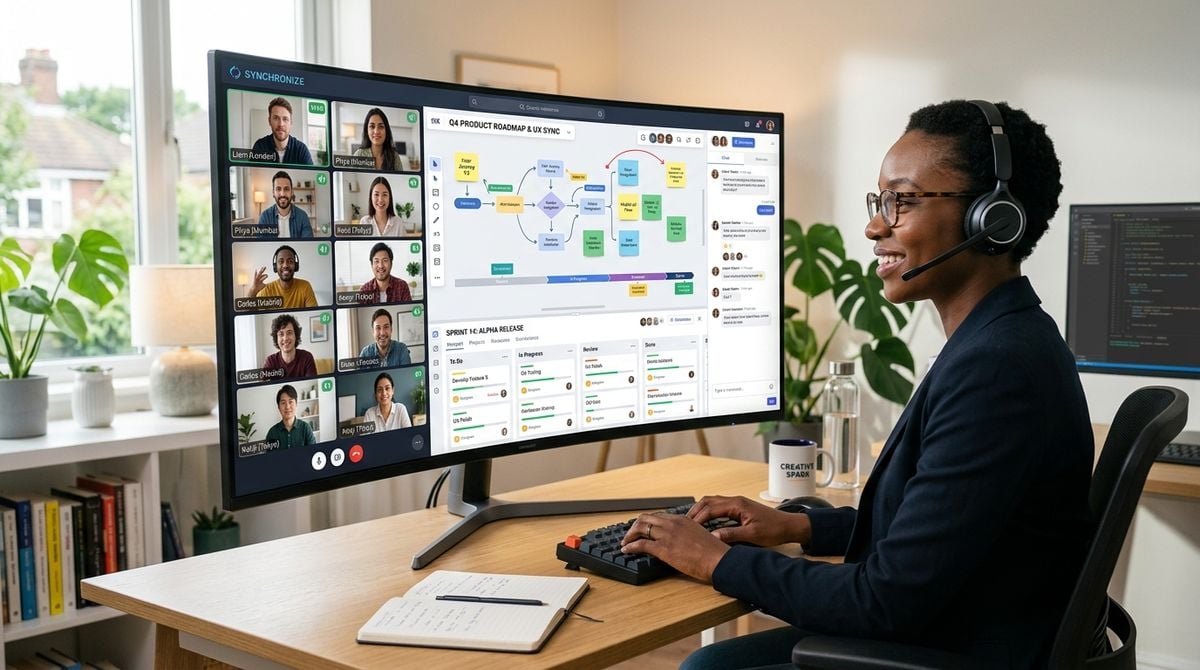
Most modern game productions rely on dispersed talent, bringing together composers, foley artists, and technical sound engineers working from different locations. Creating a unified sound identity requires structured asset management and transparent communication protocols across the entire production pipeline.
When audio assets are produced remotely, version control and shared naming conventions become essential safeguards. Establishing clean folder structures, clear file nomenclature, and documented volume standards prevents team members from working with outdated sound variations or incompatible audio levels.
For studios coordinating international talent, implementing proven guidelines for managing remote audio production across teams provides the structural clarity required to keep multi-layered projects moving forward smoothly.
Regular alignment meetings and shared audio audition sessions allow distributed creators to calibrate their ears against a common baseline. When every contributor understands the overarching artistic vision, the resulting audio identity feels cohesive, intentional, and thoroughly polished across every chapter of the game.
Sustaining Creative Value Through Community Engagement
Sound has the rare ability to trigger deep nostalgia and emotional attachment. When players reflect on their favorite interactive experiences, specific melodies and acoustic cues instantly return to mind, carrying with them memories of late-night challenges, cooperative triumphs, and shared laughter.
By combining technical precision with an awareness of broader entertainment trends, sound designers can create audio that resonates deeply with players. Listening to community reactions and collaborating effectively allows developers to deliver auditory experiences that stand the test of time.