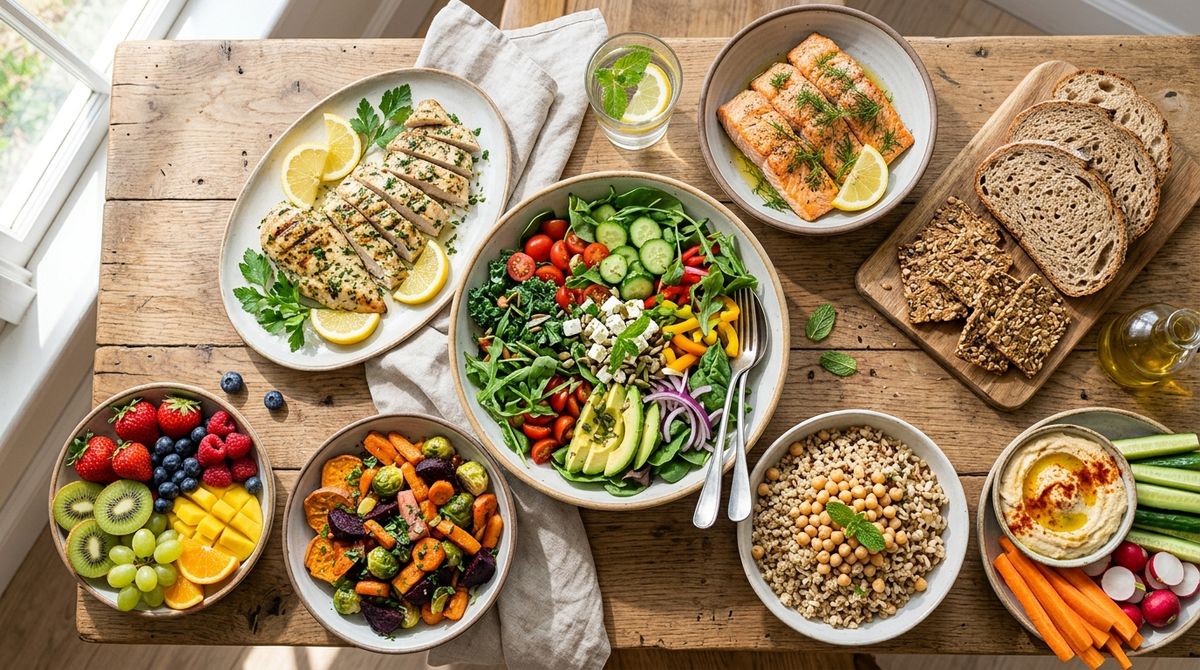
A controller rests beside a cold drink while a favorite track rolls into its chorus. On the table, a bowl of snacks is close enough to grab without pausing the game or missing the best part of the song. That small scene explains the goal: food should support the entertainment, not interrupt it. Flavor matters, but clean fingers, easy serving, and steady energy matter too.
Gaming nights and music sessions call for a different kind of menu than a formal meal. The best choices are comfortable, compact, and simple to eat between rounds, tracks, or conversations. Start with changes that require almost no work, then move toward dishes that reward a little more preparation. Save elaborate themed spreads for occasions when cooking is part of the entertainment.
Clean-Finger Upgrades That Take Almost No Effort
The fastest improvement is choosing snacks that do not leave dust, grease, or sticky residue on hands. Roasted nuts, crisp vegetables, firm cheese cubes, dried fruit, and lightly seasoned crackers are easier to manage near controllers, keyboards, records, and headphones. Put messy seasonings in a dip rather than directly on the snack. A small fork, cocktail pick, or pair of serving tongs also keeps shared bowls cleaner.
Portion snacks into several shallow dishes instead of placing one deep bag in the middle of the room. Guests can see what is available, and nobody has to dig through a noisy package during a quiet song or tense match. Readers may also want to visit pure-kanagawa.com. Pair something crisp with something chewy, then add one savory choice and one lightly sweet option.
Fast Dips and Mixes With Stronger Flavor
A little mixing creates more personality without turning the session into a cooking project. Stir herbs, citrus, or mild spices into a creamy base for vegetables and crackers. Toss popcorn with a restrained amount of seasoning, or combine toasted cereal, pretzels, seeds, and dried fruit for a custom snack mix. Keep flavors distinct instead of piling every seasoning into the same bowl.
Balance is especially useful when gaming or listening for a long stretch. Very salty food can make drinks disappear quickly, while heavy sweets may become tiring before the playlist or campaign is finished. You can also visit worldatlasbook.com for more reading. Serve a bold dip beside crisp vegetables, or follow a sweet bite with nuts or simple crackers.
Presentation can stay casual while still feeling deliberate. Use bowls wide enough for easy reaching, keep dips near their matching snacks, and place napkins where hands naturally land. Labeling is unnecessary when ingredients are obvious, but it helps when foods contain common allergens or unusually hot spices. Clear serving choices prevent the table from becoming a confusing pile of unrelated snacks.
Warm Handheld Food for Longer Sessions
When snacks need to stand in for dinner, move to warm food that can be eaten in neat portions. Folded flatbreads, baked pastry pockets, stuffed rolls, and small sandwiches provide substance without requiring a knife and fork. Fillings should hold together rather than drip, crumble, or slide out at the first bite. Let hot items rest briefly so steam and melted fillings do not create an immediate mess.
Choose one flexible base and vary the fillings instead of preparing several unrelated dishes. A tray of baked pockets might include a vegetable filling, a mild cheese filling, and a spiced meat filling, all shaped the same way for easy serving. For a related read on this site, see Bringing Real-World Acoustic Texture to Game Worlds. The most suitable recipes are forgiving, portable, and easy to reheat between activities.
Sauces deserve their own small dishes rather than being poured over everything. Thick sauces cling better and are less likely to travel from plate to equipment. Place warm food on sturdy plates with enough room for dipping, and keep drinks on a separate surface when space allows. A simple layout protects electronics and makes the food feel organized without adding ceremony.
A Full Themed Spread Worth the Extra Work
For a special gathering, connect the menu to the mood rather than copying food from a game or song too literally. A fast, colorful rhythm playlist might suit bright vegetables, tangy sauces, and crisp snacks. A dark fantasy campaign could inspire roasted mushrooms, deeply browned onions, hearty bread, and smoky seasonings. The theme should guide flavor and atmosphere while the food remains familiar enough to enjoy.
Build the spread around one centerpiece, then support it with easier dishes. A baked savory pie, layered casserole, or platter of filled rolls can anchor the table, while raw vegetables, fruit, and seasoned nuts provide contrast. Prepare cold items before guests arrive and time the warm dish for a natural break. This approach keeps the host involved in the fun instead of trapped in the kitchen.
Consider the pace of the event before choosing the centerpiece. Competitive play favors food that can wait without losing its appeal, while a listening party can accommodate a planned serving pause. Avoid dishes that demand constant stirring, immediate carving, or individual assembly. The extra effort should create atmosphere, not a schedule that controls the room.
Let the Food Keep the Beat
A strong session menu begins with clean, convenient snacks and expands only when the occasion deserves more work. Good texture, controlled mess, and sensible portions matter more than culinary spectacle. When every dish fits the pace of play or music, the table becomes part of the experience without stealing attention from it.