Video game sound design thrives on the unexpected. When building atmospheric audio for mystery titles or speculative fiction, audio creators frequently face creative repetition. Relying entirely on standard commercial sound libraries and basic synthesizer presets can make distinct digital environments feel generic. Crafting memorable game worlds requires finding fresh acoustic inspiration beyond standard entertainment formulas.
The physical world contains an endless supply of bizarre occurrences, anomalous acoustics, and peculiar events that can inspire inventive audio design. By studying unusual real-world reports and translating their emotional tension into sound, designers can build evocative soundscapes that capture player attention. Working from unusual narrative ideas encourages developers to experiment with unconventional microphone techniques and bespoke processing chains.
Finding Sonic Texture in Unusual News Reports
Bizarre news stories from around the globe offer immediate creative sparks when approached from an acoustic perspective. Reports of mysterious town hums, low ground vibrations, or unexplainable aquatic noises provide vivid foundations for sound design. Rather than guessing what a fictional mystery sounds like, you can examine descriptions of actual sonic anomalies and deconstruct the unease or fascination they produce in listeners.
Curating odd stories provides an archive of creative prompts that break conventional thinking. Exploring strange reports on igiveonline.com reveals mysterious events and peculiar occurrences from across the globe that spark original audio concepts. Accounts of unexpected atmospheric echoes, sudden subterranean tremors, or weird animal behavior suggest distinct resonance filters, irregular rhythm patterns, and deep drones for game environments.
When reading these dispatches, focus on sensory descriptions rather than visual details. Pay attention to how witnesses describe acoustic phenomena, such as metallic scraping across open fields or muted rhythmic thumping behind hills. These observations provide tangible targets for audio synthesis. Bringing those descriptions into your digital audio workstation helps you build sound beds that mirror the unsettling atmosphere of real-world mysteries.
Grounded Environmental Details from Everyday Life
Uncanny soundscapes are most effective when framed by familiar realism. If every element in a scene feels surreal, the player quickly loses their grounding. Impactful atmospheric sound balances weird audio events with ordinary domestic environments. The gentle hum of an old refrigerator, loose water pipes, or the subtle rattle of window glass provides the acoustic baseline against which mysterious audio cues can truly stand out.
Observing the cadence of ordinary life is essential for building believable settings. Reading lifestyle articles and everyday observations on hunbaba.com helps creators notice the subtle textures of daily routines, home spaces, and shared environments that audio artists sometimes overlook. These authentic details help you design room tones, acoustic reverbs, and subtle props that make a game setting feel authentic before strange phenomena occur.
A player notices an abnormal frequency shift much more clearly when the background environment feels authentic. Capturing the sonic character of small apartments, quiet workshops, or sleepy hallways establishes believable rules for the game world. Once that baseline exists, subtle changes—such as room tone slowly bending downward in pitch—become deeply chilling rather than simply confusing.
Translating Narrative Themes into Acoustic Layers
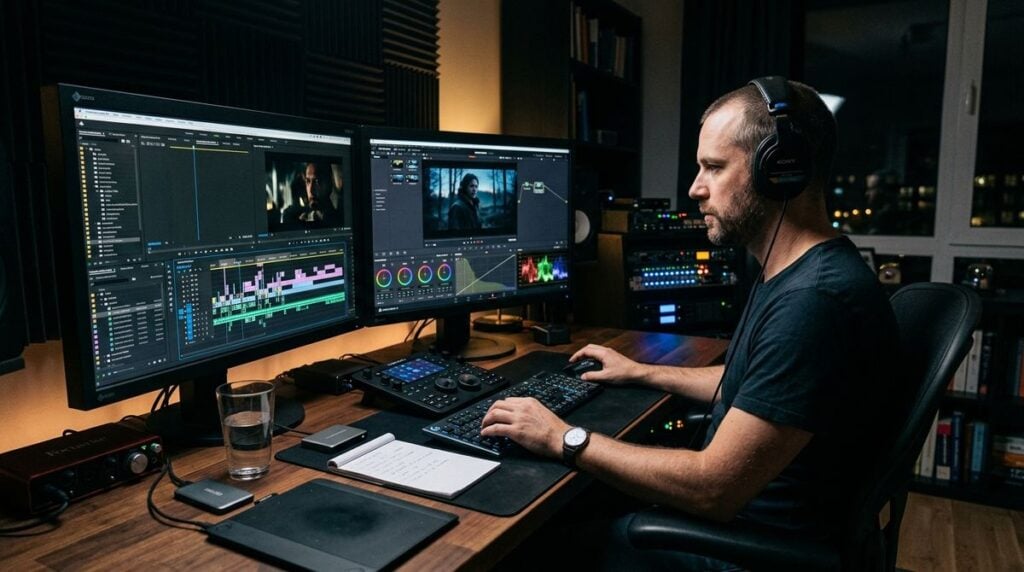
Translating a strange story into interactive game audio requires a methodical workflow. Rather than trying to generate a finished sound asset immediately, breaking the process into clear production stages keeps your work focused, expressive, and technically functional.
- Identify the core acoustic mystery, such as an irregular mechanical thrum or an unexpected metallic resonance.
- Gather physical source recordings that emulate the motion and texture suggested by the story.
- Transform the captured audio using pitch transposition, time stretching, and spatial reverb processing.
- Implement the audio asset inside the game engine to test readability during interactive play.
This structured method ensures experimental sound design meets practical game requirements. An atmospheric sound must never overpower crucial dialogue, hide footstep audio, or cause listening fatigue during lengthy play sessions. Following clear production steps lets you explore bold ideas while protecting the clarity of the overall mix.
Techniques for Recording and Designing Uncanny Foley
You do not need specialized studio spaces to gather audio material inspired by unusual events. Common household objects can yield otherworldly sounds when captured with close microphone placement. Squeaking cabinet hinges, cooling metal baking sheets, friction on damp glass, and stretched rubber bands transform into monstrous mechanisms or spectral presences when pitched down several octaves.
Contact microphones and electromagnetic sensors are great tools for discovering hidden sounds in everyday spaces. Clamping a contact mic to a hollow metal radiator captures deep, shuddering groans reminiscent of shifting tectonic plates. Electromagnetic pickups can record the peculiar rhythmic buzz produced by monitors, chargers, and power supplies, offering electrical textures with erratic, organic rhythms.
Combining these varied sources produces layered, ambiguous sounds. Blending an electromagnetic hum with a slow wooden friction recording yields a machine sound that feels unstable and eerie. Applying gentle modulation to pitch and filter cutoffs prevents the sound from feeling static, allowing tension to build naturally as players explore uncharted locations.
Cataloging Unconventional Samples for Future Work
Experimental audio recording sessions often generate dozens of unexpected variations and sound textures. A designer spending an afternoon testing contact microphones might gather hours of groans, scrapes, and low rumbles. Without methodical file organization, these valuable assets quickly vanish inside unorganized hard drive folders.
Maintaining a disciplined asset workflow is essential for long-term game development. Committing time to building an organized sound library ensures your custom field recordings, experimental foley, and atmospheric beds remain accessible whenever a new project demands an eerie sonic aesthetic. Proper classification by material, emotional mood, and frequency profile allows you to find ideal sounds within seconds.
When storing custom audio, embed descriptive metadata outlining the original sound source and its intended dramatic mood. A recording labeled with its physical source and emotional feel saves hours of tedious auditioning later in production. Systematic archiving ensures every creative sound exploration becomes an enduring resource for future projects.
Drawing inspiration from real-world mysteries and grounded human routines allows game audio designers to produce fresh, captivating soundscapes. By examining strange global occurrences, contrasting odd audio events against believable environments, and managing an organized sound collection, you can create audio that pulls players deep into your game. Real life provides endless sonic oddities; thoughtful sound design turns those oddities into unforgettable gameplay experiences.