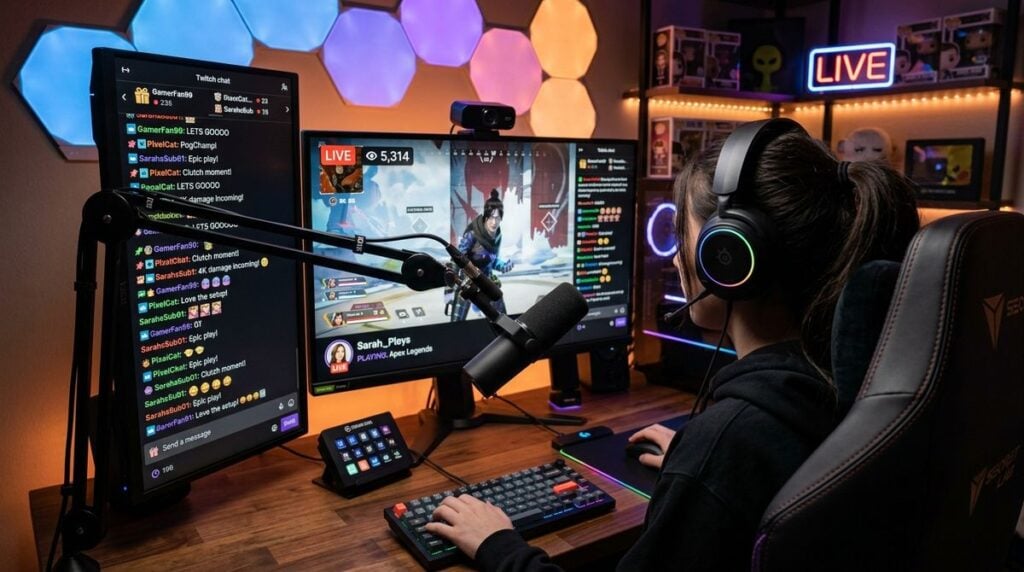
Modern game development frequently unites talent scattered across different cities and continents. Sound designers, composers, voice coordinators, and audio programmers must work together to create a unified auditory world. When a game relies heavily on storytelling, every footstep, ambient wind gust, and musical motif carries narrative weight. Managing these subtle creative choices from afar requires deliberate systems and mutual understanding.
Without a physical studio where colleagues can walk over to a shared mixing suite, remote audio teams risk developing disconnected sonic identities. One team member might imagine a ruined settlement as eerily quiet and desolate, while another creates dense, bustling environmental loops for the adjacent level. Bridging these creative gaps demands reliable communication habits and shared references that keep the entire team aligned from early concept work through final polish.
Establishing Clear Communication Channels Across Time Zones
Operating across separate time zones introduces natural delays into everyday feedback loops. When an audio artist submits a draft mix for a cinematic cutscene, waiting hours for a simple clarification can derail momentum. Establishing consistent channels for specific types of discussion prevents critical feedback from getting buried beneath casual chatter. Immediate implementation questions belong in focused discussion threads, while broad thematic guidance requires dedicated documentation.
Centralized team platforms provide the backbone for this structured dialogue. Rather than scattering project notes across unorganized chat apps or loose email threads, audio leads benefit from structured team spaces where technical documentation, audio asset briefs, and feedback notes stay pinned together. For studios that need centralized messaging alongside departmental updates, exploring dedicated workspaces on Newshubnetwork.com helps distributed groups maintain structured dialogue without losing creative context.
Clear written briefs serve as an essential anchor when real-time conversation is not possible. A comprehensive sound brief should outline the emotional intention of an environment, the key gameplay triggers, and the expected sonic palette before anyone opens a digital audio workstation. When every contributor understands the narrative purpose of a sound effect in advance, remote reviews become collaborative refinements rather than frustrating overhauls.
Gathering Narrative Inspiration from Everyday Sources
Compelling game sound rarely emerges from technical specifications alone. Rich narrative audio draws inspiration from lived experiences, cultural quirks, and human behavior. When building an imaginary town or a distant space station, sound designers need to understand how the residents spend their days, what materials they touch, and what background noises fill their waking hours.
Remote team members can expand their creative horizons by seeking out unexpected cultural reporting and personal storytelling. Exploring diverse perspectives gives audio creators fresh ideas for environmental details that standard sound libraries overlook. Browsing eclectic lifestyle and story collections such as mazapoint.net can spark unexpected ideas for environmental ambient details, character hobbies, or quirky side-quest conversations. An unusual anecdote about a community festival or a distinct regional custom can inspire the perfect acoustic signature for an in-game village.
Encouraging team members to maintain a shared inspiration folder helps preserve these discoveries. When a sound artist reads an interesting article about traditional crafts, historical building acoustics, or unusual hobbies, adding those references to a communal board enriches the entire studio. This habit keeps narrative discussions grounded in tangible human details rather than abstract tropes.
Translating Story Hooks into Actionable Sound Palettes
Once an inspiring story hook or cultural concept captures the team’s imagination, the next step involves turning that narrative idea into practical sound design. This process begins by defining the physical materials and emotional temperature associated with the story element. A worn wooden tavern in an impoverished settlement sounds vastly different from a pristine stone sanctuary, even if both spaces feature similar footstep rhythms.
Sound teams can draw meaningful parallels between peculiar real-life incidents and fictional game scenarios. Examining how actual communities react to unusual phenomena provides invaluable clues for designing believable creature cries, weather anomalies, and environmental cues. This approach mirrors our previous advice on turning real events into game audio, showing that grounded observations make fictional environments feel authentic.
Creating small audio mood boards allows remote collaborators to evaluate ideas quickly. Instead of producing dozens of finished sound assets immediately, a designer can compile a brief montage demonstrating how background wind, distant wildlife, and interactive props interact. Team members can listen asynchronously, provide notes on frequency balance and emotional resonance, and approve the creative direction before full asset production begins.
Structuring the Collaborative Audio Pipeline
A smooth production pipeline transforms creative ideas into functional interactive assets without unnecessary friction. In a remote setup, sound artists must understand exactly how their files will travel from the editing suite into the game engine. Standardization eliminates guesswork and ensures that assets created by different designers behave consistently during gameplay.
Implementing practical team routines maintains order throughout the development cycle:
- Create a shared acoustic glossary to define subjective tone terms.
- Maintain synchronized naming conventions for seamless engine integration.
- Conduct periodic listening sessions to evaluate narrative coherence.
- Archive raw source recordings with descriptive field notes for future iterations.
Regular synchronization between audio designers and gameplay programmers prevents technical bottlenecks. Audio assets that sound spectacular in isolation can cause performance hitches or voice-stealing conflicts if memory budgets and audio channel limits are ignored. Regular check-ins ensure that technical constraints inform artistic decisions early, saving substantial troubleshooting time during final game builds.
Maintaining Creative Cohesion Without Micromanagement
Leading a distributed audio department requires balancing artistic cohesion with individual autonomy. Experienced sound designers and composers deliver their best work when given room to interpret narrative briefs creatively. Rather than dictating every compression setting or synthesizer choice, audio directors should focus on setting broad thematic boundaries that empower contributors to experiment.
The most effective way to judge sound quality is within the actual game build. Static audio files played back through studio monitors rarely convey how a player experiences audio while navigating complex interactive spaces. Remote team members should test their work directly inside development builds, evaluating how environmental sounds blend with dialogue, combat effects, and dynamic musical shifts.
Fostering a Culture of Shared Listening
Building a memorable game world is inherently a team effort. Remote work can present logistical obstacles, but deliberate communication practices and thoughtful story research turn physical separation into an advantage. Contributors from varied backgrounds bring distinct acoustic memories and cultural insights that enrich the tapestry of the finished game.
By establishing dedicated collaborative hubs, actively seeking inspiration beyond the standard technical canon, and organizing a transparent production pipeline, independent audio teams can craft deeply resonant interactive worlds. When every collaborator listens closely not only to the soundscape but also to each other, the resulting game audio speaks directly to players with emotional clarity and lasting narrative depth.