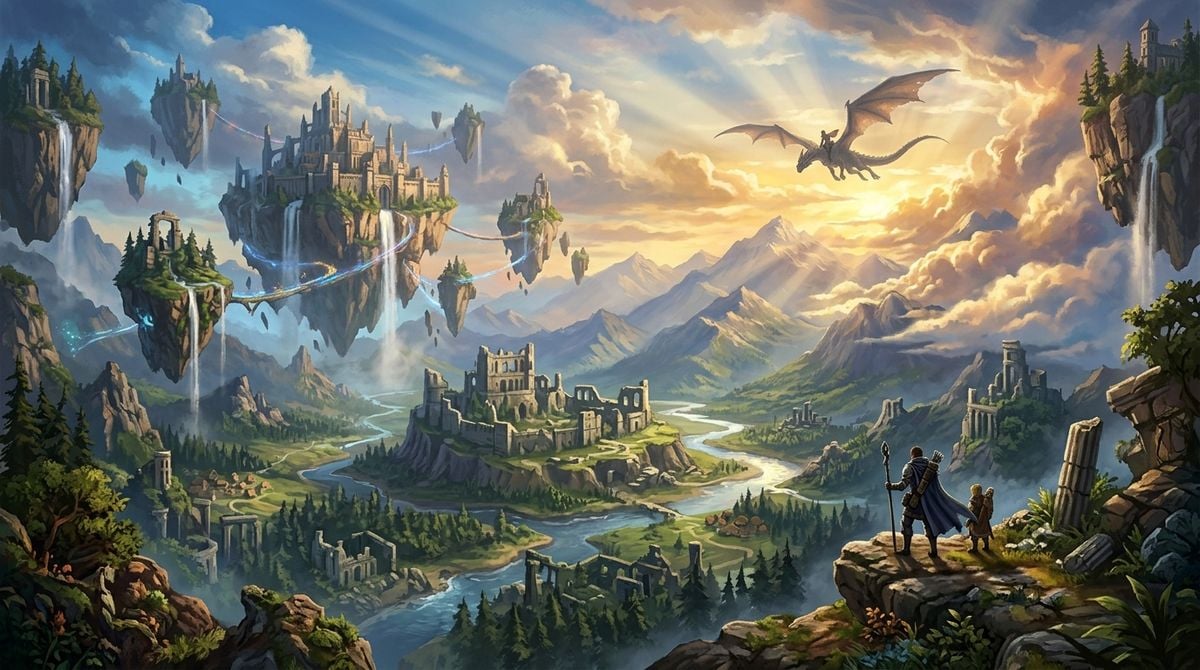
As the calendar nears its final weeks, many gamers feel a pull to look back. They scroll through captured clips, remember tough boss fights, and wonder which games deserve a place in their memory. A year-end review soundtrack is a simple way to make that reflection more enjoyable. You choose a handful of tracks, attach them to the moments that mattered most, and create a personal listening experience that brings the year back in a vivid way.
Gather Your Year Before You Pick Any Music
Start with memory, not with a playlist. Spend a quiet evening listing the games you played, the sessions that felt special, and the achievements or friendships that stood out. You do not need a perfect record. A rough list, written on paper or in a notes file, is enough to show you the shape of the year.
Next, look at any screenshots, saved clips, or journal entries you already have. These materials often jog memories you would otherwise lose. If you kept a simple log of games played, use it as well. The goal is to sketch a timeline so that music can be placed where it belongs instead of being chosen only for its mood.
Choose One Track for Each Chapter
Divide the year into chapters. Some players use seasons, while others group the year by game or by the kind of play they enjoyed most. Each chapter should get one anchor track, a piece of music that captures its feeling. The anchor does not need to be famous. It only needs to make you think of the games and moments inside that chapter when you hear it.
Keep the number of chapters manageable. A small number makes the final review feel complete rather than rushed. When you have your anchors, listen to them in order, and note any transitions that feel awkward. Sometimes a track that sounded perfect alone works poorly next to its neighbor, and it is better to find that out now than during the final listening session.
Before you move on, check each chapter against this short list:
1. Does the anchor track clearly match the games in that chapter?
2. Can you hear the transitions between chapters without a jarring jump?
3. Is each note short enough to read in a few seconds?
4. Would a friend understand the story without extra explanation?
Add Context Without Overloading It
A soundtrack works best when it tells a short story. Consider adding a brief note for each chapter, perhaps a single sentence about why the track fits. This is a good place to mention a favorite rival, a team you enjoyed playing with, or a session that went wrong in a funny way. Keep each note short so that the music stays at the center.
Some people also record a spoken introduction or a short ending. These can be simple. A few lines about what you hope to carry into the next year are often enough. If you prefer silence, skip the narration and let the chapters speak for themselves.
Plan the Listening Session
Pick a time when you will not be interrupted. Early winter evenings are ideal, because the room is quiet and the light is low. Put the soundtrack on in order, sit comfortably, and resist the urge to skip ahead. Some players write one or two sentences in a journal after each track, which turns the experience into a small personal archive.
Readers may also want to visit luvlybeauty.com. You can also visit polish-clothes.com for more reading. For a related read on this site, see Building an Iconic Stage Wardrobe for Live Music.
Writing a short note for each chapter can be the most rewarding part of the process. Keep the notes honest and specific, because a clear detail such as a difficult win or a friend who kept you laughing is more memorable than vague praise. You can also invite a friend who played some of the same games to listen along. Their memories may bring up moments you had forgotten, and the conversation can make the review feel like a shared story.
If you are short on time, a shorter version still works well. Choose only a few chapters and one anchor track for each. The purpose is to create a meaningful experience, not to build an exhaustive archive. Many people find that a compact review is easier to revisit next year because it stays focused on what mattered most.
Afterward, save the final soundtrack somewhere you can revisit. A year from now, you may enjoy hearing the same tracks and noticing how your tastes have changed. You might even decide to create a second review for the coming year, using the same method but different anchors. Over time, these soundtracks become a gentle record of the games that shaped you, and they remind you that your play has a story worth keeping.