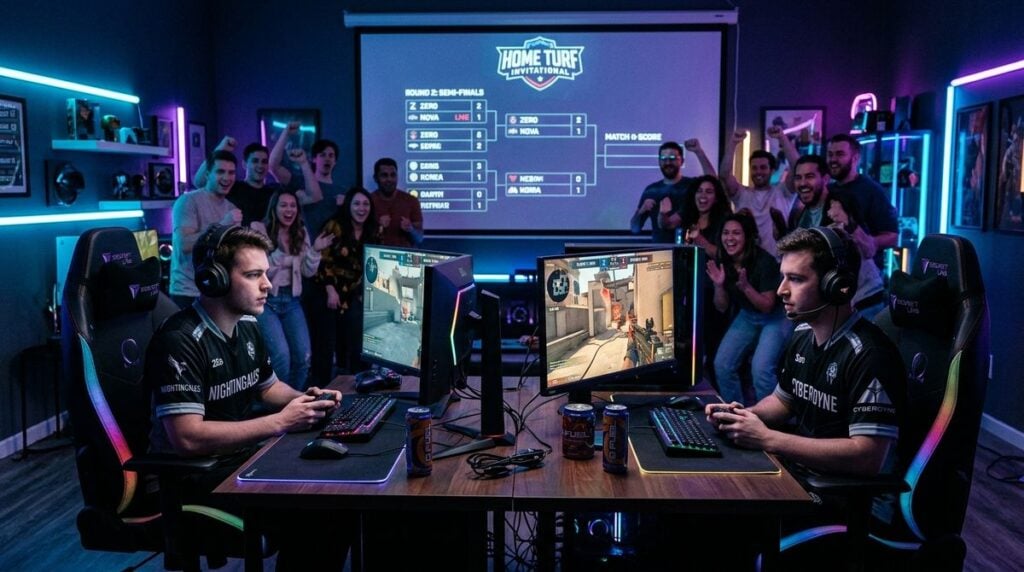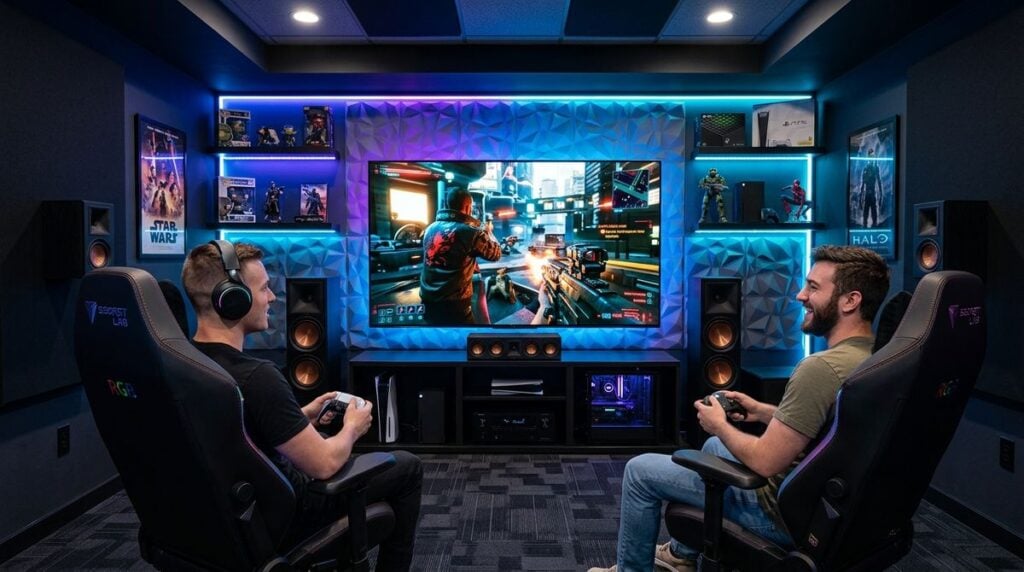
Gaming can be a healthy source of relaxation, friendship, and creativity, but it can also quietly eat into the hours you need for sleep and study. A session that begins as a quick match can stretch into the early morning, and the next day’s lectures feel much harder. Many students do not notice the pattern until their concentration drops or their mood becomes irritable. This article explains how to set sensible boundaries, plan gaming around your schedule, and notice the warning signs before they affect your studies.
Notice when play turns into a problem
Gaming becomes a concern when it regularly replaces sleep, meals, study, or social time you value. Look at your recent week honestly. Did you start a session intending to stop after one game, then play for hours? Did you skip a deadline or a shift because of a late session? Did you feel irritable when you were interrupted? These signs do not mean you have a serious issue, but they show that the balance may need adjusting.
Be aware that some games are designed to keep you playing, with rewards and daily routines that encourage long sessions. Recognising this design helps you make deliberate choices rather than letting the game decide for you.
Set a clear stopping point
Decide the stopping point before you start. A session can end after a set number of matches, at a particular time, or when a specific task is complete. Write the time on a note near your screen, and set a gentle alarm. Many players find that choosing a natural break point, such as the end of a level or the close of a round, makes it easier to stop without losing the sense of achievement. Readers may also want to visit Shiawase Home.
If you struggle to stop, try moving the console or computer to a different room after your session, or log out of the account at the planned time. These small obstacles create a pause that gives you a chance to choose rest.
Protect your sleep first
- Set a fixed time to stop gaming on school nights and workdays.
- Turn off notifications that arrive late in the evening.
- Keep screens out of the bedroom if possible.
- Avoid intense games in the hour before going to bed.
Sleep is the most important thing to protect. Late, exciting sessions raise alertness just when your body needs to wind down, and this can make it harder to fall asleep. A regular sleep routine helps your memory and your mood, which in turn supports better study. If sleep problems persist for weeks, speak with a doctor for personal advice.
Plan gaming around study and work
Fit gaming into your week the same way you plan lectures and shifts. Choose specific slots for play, especially on days before exams or deadlines. A reward-based plan can help: finish a reading task or an assignment section, then enjoy a session as a planned break. This approach makes gaming feel like a rest you earned rather than a distraction you must fight.
You can also visit DIY Television for more reading. Keep the advice that fits your life and ignore anything that feels too strict to sustain.
Consider the environment around your gaming as well. A room with comfortable lighting, a clear desk, and a visible clock makes it easier to stop when you planned to. Keep snacks and drinks within reach so you are not forced to leave the screen repeatedly, but avoid eating heavy meals late in the evening. Some students use a simple timer that counts down the session so the end arrives naturally. If a particular game consistently takes more time than you planned, you may choose to play it only on weekends or to pause progress until your schedule is clearer. Making these decisions in advance is far easier than trying to decide in the middle of an exciting match.
Talk to people you trust
If you feel that your gaming is affecting your health, relationships, or studies, talk to a friend, a flatmate, or a campus wellbeing service. Many students feel embarrassed about their habits, but honest conversations often lead to practical solutions. Friends can remind you of your plan, and a counsellor can help you explore the reasons behind long sessions, such as stress or loneliness. For a related read on this site, see Pricing Custom Jingles for Small Esports Teams When.
A balanced life can still include plenty of gaming. The aim is to make sure play supports your wellbeing rather than replacing it. Set clear limits, protect your sleep, and review your habits regularly. With steady attention, you can keep the games you love and still show up rested for lectures, shifts, and the people who matter to you.