Many people who grew up with early home games have drifted away from them for decades, only to feel a spark of curiosity when a grandchild or friend mentions a favorite title. Modern games can look intimidating, with fast controls, dense menus, and unfamiliar terms. Yet the hobby is far more varied than many newcomers expect, and a thoughtful start can make it relaxing and fun. This article offers a gentle plan for returning to video games after fifty, with practical advice on choosing a first game, setting up comfortable options, and building a healthy balance between play and everyday life.
Choose a First Game With Care
Begin with a game that matches your interests rather than the most popular title in the news. Puzzle games, gentle adventure stories, and simple strategy games often have slower pacing and clear instructions, which suit many new players. Look at descriptions and short gameplay videos to see whether the controls seem manageable. A game that rewards patience can be more enjoyable than one that demands quick reactions.
Avoid choosing a game only because it is widely praised. Friends and family can be helpful sources of advice, because they know what you enjoy in books, films, and conversation. Ask someone who plays regularly to show you a few options, and try each one for a short session before deciding. Readers may also want to visit thehomezoo.net.
Set Up Comfortable Options
Most modern games include settings that make play easier for beginners and for players with changing vision or dexterity. Look for options that adjust text size, screen brightness, subtitle style, and the color of important markers. Some games allow you to change the difficulty level or to turn on assistance for aiming or timing. Using these options is not a sign of weakness; it is a smart way to focus on the enjoyment of the story and the challenge. You can also visit Groliehome for more reading.
Arrange your space with comfort in mind. Sit in a supportive chair with your feet flat on the floor, and place the screen at eye level so that you do not need to lean forward. Keep a drink nearby, and choose a room with good lighting that does not create glare on the display. A comfortable setup reduces fatigue and makes each session feel more inviting.
Many new players find a short checklist useful before starting:
1. Read the game description and check which controls are required.
2. Adjust text size, brightness, and subtitles before the first session.
3. Play in short sessions and stop before feeling tired or frustrated.
4. Save the game often, especially before difficult sections.
Balance Play With Daily Life
Games can provide relaxation, social connection, and mental stimulation, but they work best when they fit into a balanced day. Set a sensible time limit, perhaps a single evening session, and stick to it. Take regular breaks to stretch, rest your eyes, and move around. If you notice that play is crowding out sleep, meals, or time with people you care about, make a change. Anyone worried about eye strain, headaches, or sleep problems should speak with a qualified health professional.
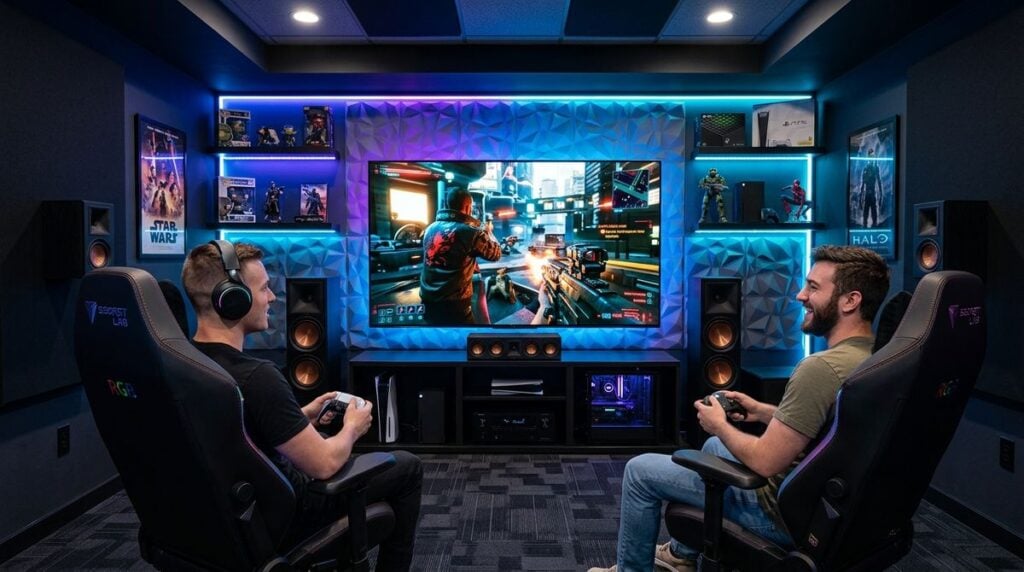
Think of games as one hobby among several rather than the center of your week. Pair them with reading, walking, gardening, or a class at a local center. For a related read on this site, see Setting Music Volume Rules for a Shared Home. The variety keeps your interests fresh and gives you more things to talk about with family and friends. Many people also enjoy playing a game together with a partner, because shared progress creates a pleasant sense of teamwork.
Join Communities Gently
Online communities can be friendly and welcoming, but they can also be noisy. Before joining any group, read the rules and watch a few conversations to see whether the tone suits you. You do not need to speak often to benefit from a community; reading tips and asking an occasional question is enough. Protect your privacy by avoiding the sharing of personal details, home addresses, and financial information, and be cautious about links from unknown senders.
Local libraries and senior centers sometimes host gaming sessions, which are an excellent way to meet people face to face. Attending a session once or twice can help you understand what the group enjoys and whether it feels comfortable. Starting slowly keeps the experience positive and lets you grow into the hobby at a pace that fits you.
Returning to games in later life can be a joyful way to stay curious and engaged. Choose something you genuinely enjoy, set up your space comfortably, keep sessions short, and let the hobby sit alongside the rest of your life. With patience and a little guidance, the controller can become a source of relaxation, laughter, and new friendships.