
Modern creative spaces have evolved into complex ecosystems where digital assets and physical hardware must coexist seamlessly. Whether you are building a studio for music production, content creation, or high-end gaming, the physical infrastructure supporting your tools often receives less attention than the software itself. This oversight can lead to inefficiencies, unexpected downtime, and a cluttered environment that hinders creativity. By focusing on how you organize and document your physical gear, you can create a more resilient foundation for your work.
Inventory Control for Analog and Digital Gear
The first step toward an optimized setup is maintaining a comprehensive inventory of every component, from microphones and interface cables to secondary displays and input devices. Many creators mistakenly believe that digital backups are sufficient, yet having a clear understanding of your physical equipment allows for faster troubleshooting when something goes wrong. A well-maintained inventory list should include the specific model, connection types, and the location of each piece of equipment.
Beyond tracking what you own, consider how these items interact within your workspace. Analog gear requires physical space and specific cabling, while digital peripherals often demand dedicated USB or network ports. By auditing your current setup, you can identify which items are essential for daily use and which items can be stored elsewhere to maintain a clean environment. This inventory process is not merely about storage; it is about creating a deliberate map of your creative space that clarifies how your signal path works and where potential failure points exist.
Mapping Your Connectivity and Network Stability
Reliable connectivity is the backbone of any hybrid studio. As you integrate more hardware, managing the signal flow becomes increasingly important. A stable network allows for efficient data transfer between storage devices and your primary workstations, ensuring that your workflow is not interrupted by bandwidth bottlenecks or connectivity drops. Understanding the technical requirements of your network hardware is a key part of maintaining this stability, especially as setups become more complex.
To navigate the broader landscape of connectivity, staying informed about industry standards helps, and statlab-dev.com provides insight into the broader tech ecosystem. When mapping your network, consider documenting how devices are daisy-chained or connected to switches. This prevents the common frustration of trying to trace a faulty connection behind a desk full of equipment. Mapping out these connections ensures that you can quickly isolate issues when a device fails to communicate, keeping your focus on your creative output rather than troubleshooting cables.
Documentation Strategies for Complex Setups
Documentation is the bridge between a disorganized collection of hardware and a professional studio. The goal is to make your setup intuitive so that even if you have not used a piece of equipment for a while, you can quickly reconfigure it. This involves more than just storing digital manuals; it requires physical labeling and clear documentation of settings. Use labels for all cables at both ends, and consider creating a physical binder or a dedicated folder in your digital workspace that holds diagrams of your patch bay or hardware routings.
When you need to standardize your physical labels and documentation, refer to 10printers to understand how to label your equipment effectively and manage your printed resources. Clear labeling helps prevent accidental disconnections and makes it easier to reconfigure your studio for different types of sessions. Whether you are switching from a music production workflow to a streaming session, having a documented map of your physical setup allows for rapid adjustments without the need to guess which cable connects to which port.
Maintaining Asset Consistency Over Time
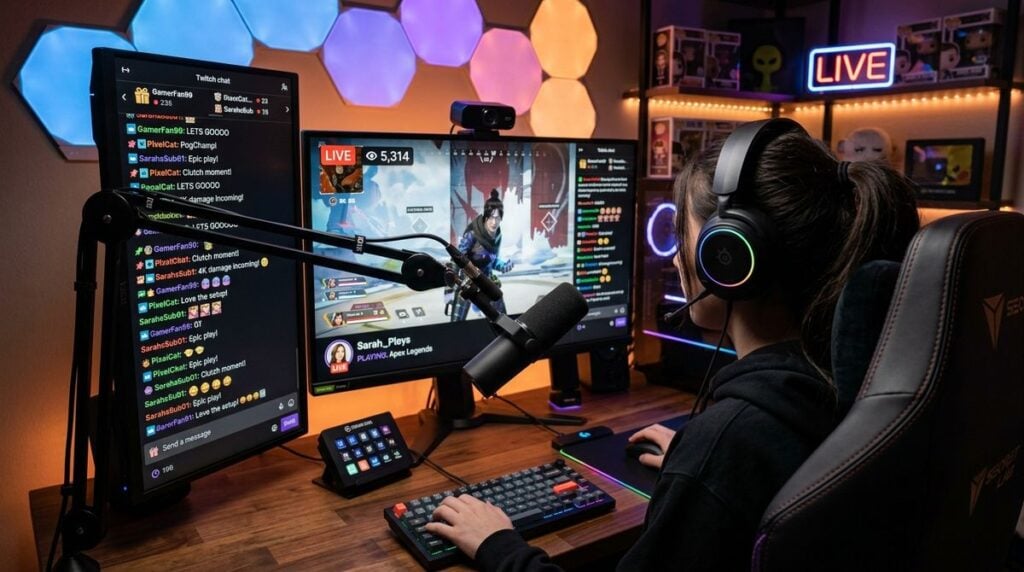
Consistency is the hallmark of a professional environment. As you upgrade or replace hardware, you should strive to keep your physical layout as stable as possible. Frequent changes to your layout can be disorienting and may cause you to lose track of where specific signal paths are routed. Instead of radical, frequent overhauls, focus on incremental improvements that integrate smoothly with your existing documentation. As you build your environment, you may also find value in mastering the social side of streaming creative sessions to better engage with your audience while maintaining this consistency.
Maintaining consistency also means establishing a routine for checking your physical assets. Periodic inspections of cables, connectors, and power supplies can identify wear before it leads to failure. By treating your physical infrastructure with the same level of care that you apply to your digital files, you create a reliable, predictable space. This stability is essential for maintaining a creative flow, as it removes the technical friction that often interrupts long sessions.
Streamlining Your Technical Workflow
A streamlined workflow is the ultimate objective of managing your physical environment. When your gear is well-organized, labeled, and documented, you reduce the time spent on setup and maximize the time spent on creative tasks. This approach allows you to focus on the task at hand rather than wrestling with hardware conflicts. Consider these practical steps to refine your technical workflow:
- Label all power and signal cables at both connection points to ensure easy identification.
- Maintain a physical binder with diagrams that show your signal chain and routing preferences.
- Keep essential accessories stored near the devices they support for quick access.
- Use cable management solutions to organize cords behind workstations and minimize physical clutter.
- Review your entire setup periodically to ensure that all connections remain secure and functional.
By implementing these practices, you transform your workspace into a tool that actively supports your creative process rather than one that requires constant maintenance. The effort you put into managing your physical assets today will pay off in the form of a more efficient, less stressful creative environment. With a solid foundation, you are better prepared to handle complex projects and focus entirely on the quality of your work.