Gaming and music events draw crowds who are ready to spend on accessories that improve play and listening. A small booth can serve that audience well, yet the stock choices matter. Headphones and cables are popular, but they can also tie up cash, take up space and create frustration if the range is wrong or the displays are confusing.
The questions below cover what new event sellers ask most often. The answers are general and practical, so they suit anyone planning a first booth at a convention, a music weekend or a local meetup for players and fans.
How big should the first range be?
Start with a small selection that fits comfortably on the table and under the counter. A few headphone styles, a handful of cable lengths and two or three adapters usually cover most needs. A focused range is easier to explain, easier to restock and less likely to leave you with unsold boxes.
Readers may also want to visit Automobile Insurance. Those guides often recommend choosing products with broad appeal and clear use cases. Products that solve one clear problem usually sell faster than novelties. Save room in the budget for a few extra units of the best sellers. Keep receipts for every purchase, since they help you judge which items returned the most value.
How do you check that items will work with customers’ devices?
Compatibility is the most common question at gaming and music events. Check which connections each product uses, such as wired jacks, USB ports or wireless standards, and note the devices they support. Put that information on a simple card beside each item so shoppers can judge quickly.
You can also visit Angkor Car Guide for more reading. Keep a small adapter kit so you can demonstrate a product with a range of devices. Clear information prevents returns and builds trust with the crowd. Shoppers who understand a product before paying tend to be happier with it afterward.
How should items be displayed so people can test them?
Shoppers want to try headphones before buying, so set up a listening station with a sample device and a clean cloth for the earpads. Keep the station away from the busiest walkway, and wipe the surfaces between visitors. Display cables on hooks or in clear trays so they are easy to inspect.
For a related read on this site, see Flatbread Wraps for a Gaming and Music Weekend:. Grouping helps visitors find the right item quickly. Clear signs at eye level make the whole table easier to navigate. Keep the signs short so that visitors can read them while walking past.
What spare stock should you keep in reserve?
Cables and adapters are often the first items to run out, and a broken plug can end a sale in seconds. Keep a reserve of the fastest sellers in a locked box behind the table. Check the lock before every session so the reserve stays secure. Count the reserve before each opening and again at the close of the day. A short note of what sold makes the next event’s ordering much easier.
Store spare stock in a dry bag or case to protect it from spills, dust and crowd pressure. Label each box with its contents so you can restock without digging through the entire bin. Keep a spare marker and tape at the booth so labels can be updated quickly. A tidy reserve makes busy hours far less stressful.
How can you explain warranty and returns at a busy booth?
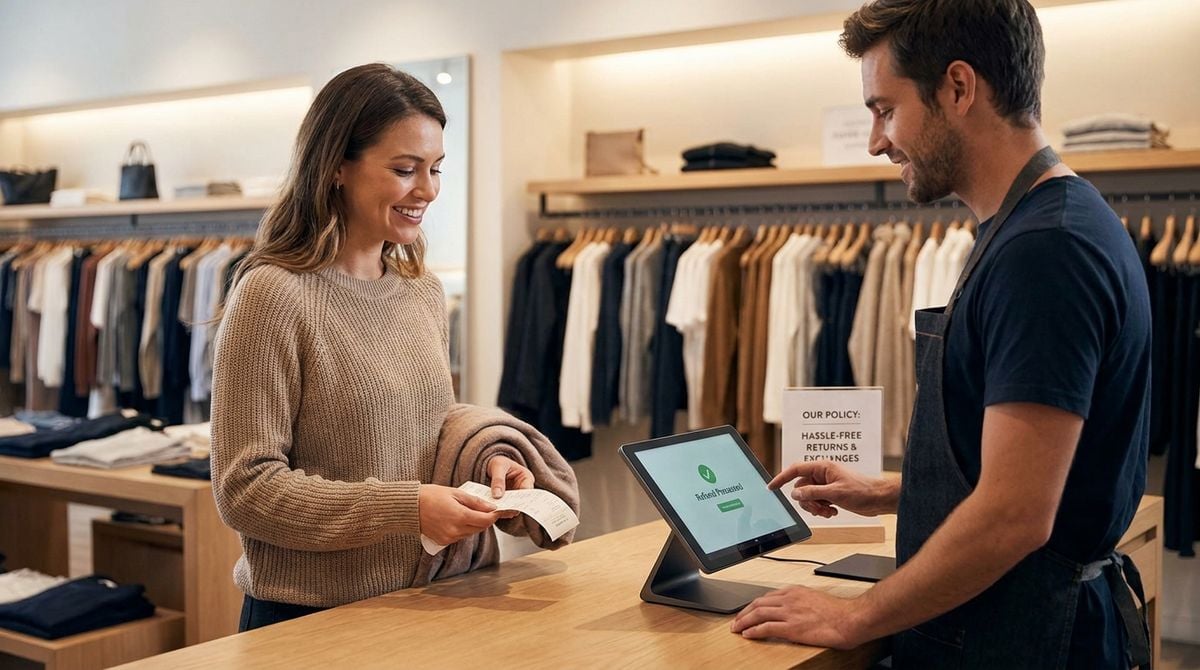
Visitors ask about warranties and returns, often while others are waiting. Prepare a simple card that explains the return window, the condition needed and the warranty period for each product. Keep the wording short and consistent so that every team member gives the same answer.
If the event allows it, print a copy of the terms and place it beside the till. A printed card also gives staff a reference point when a question is unclear. Clear rules protect both the customer and the seller. They also give your team a simple script to follow. They also reduce the chance of confusion when the crowd grows.
How do you keep checkout moving during peak hours?
Long queues cause frustration, and frustrated shoppers may leave without buying. Set up two stations if the space allows, with one for card payments and one for quick cash or simple sales. Keep bags and receipts ready in advance so each sale takes less time. A clear card with the total for each bundle also speeds up the payment.
Practice the checkout routine before the event opens. A quick walk-through with the whole team the day before also helps. Assign one person to handle payments and another to bag items and answer questions. A smooth routine turns a rush into a steady flow of satisfied customers.
A focused booth makes the day easier
Stocking headphones and cables for a gaming event works best with a small range, clear compatibility notes, a useful test station and a reserve kept out of the way. Set up a simple return explanation and a fast checkout routine before the doors open. With that preparation, the booth can serve visitors well and leave the seller with a good result at the end of the day.