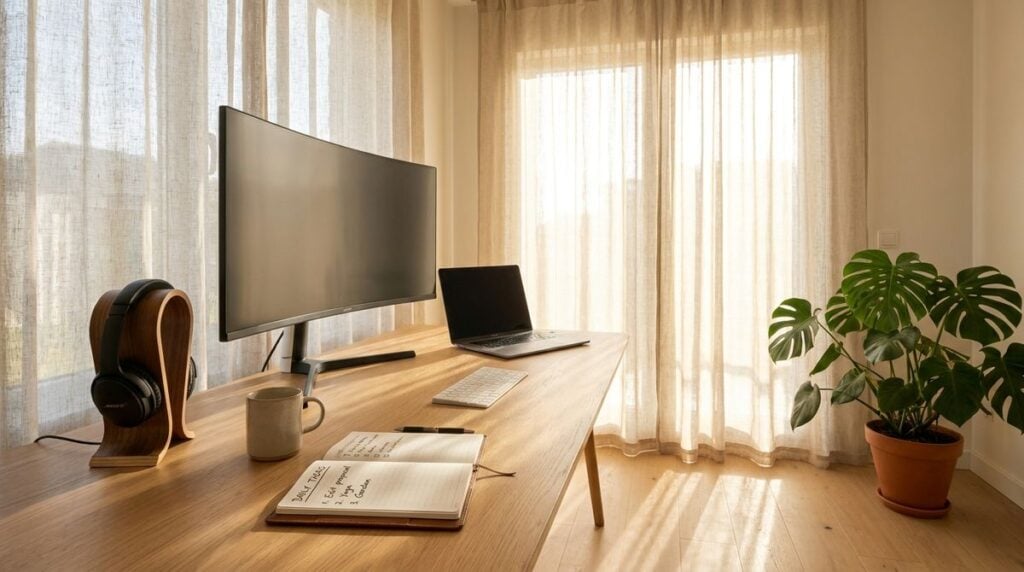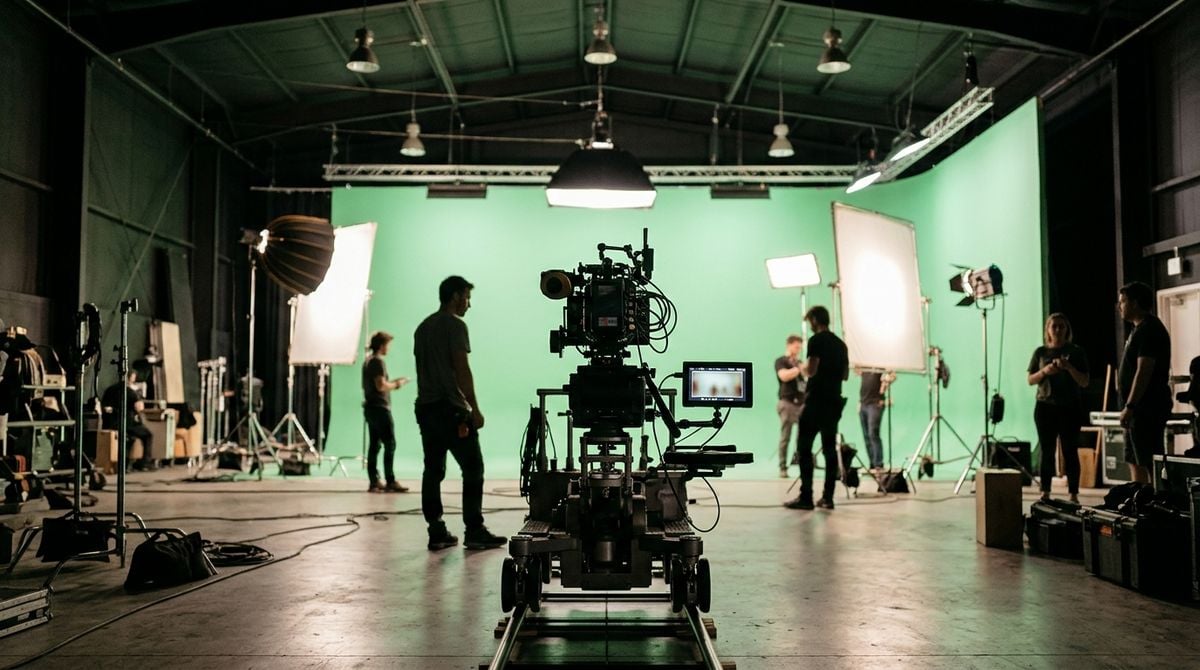
For many creators, the home studio is far more than just a room filled with equipment. It is a personal sanctuary where ideas are transformed into reality, whether through music production, gaming, or general content creation. The time, passion, and resources invested into curating this space create a deep sense of ownership. Protecting this environment is essential for maintaining both your productivity and your peace of mind.
Assessing Your Physical Studio Security
The first step in protecting your creative environment involves looking at it from the perspective of an outsider. You have invested significant effort into your hardware, instruments, and console setups, and these items are often quite attractive to potential intruders. It is important to evaluate the physical vulnerabilities of your space, particularly if it is located in a basement, a detached outbuilding, or a room with ground-level windows. By proactively identifying these weak points, you can implement stronger defense measures to safeguard your belongings. Implementing a reliable monitoring system is a practical way to keep an eye on your gear when you are away. Utilizing a bestwirelesssecuritycamera setup allows you to maintain visibility over your studio area, providing a sense of reassurance that your equipment is secure, regardless of where you might be.
Staying Updated on Essential Gear Technologies
Your studio environment relies heavily on the quality and functionality of your hardware. As technology advances, the tools we use for our creative work evolve, often bringing improvements in performance and integration capabilities. Keeping yourself informed about these shifts ensures that your setup remains capable and efficient. However, this also means staying aware of how new tech integrations might affect the security or complexity of your environment. You can effectively keep track of the latest developments and insights by turning to resources like Arab Tek, where consistent updates on current technology help you make informed decisions about your own creative hardware and the potential security implications that come with adopting new devices.
Integrating Security Into Your Workflow
Security should not be a chore that interrupts your creative flow; rather, it should be a background habit that is seamlessly integrated into your daily studio routine. This starts with simple, consistent actions. Make it a practice to lock your studio door when you leave, even if you are just stepping away for a short duration. Consider the layout of your equipment as well. If expensive pieces are visible from a window, rearranging your setup or installing blinds can significantly reduce their exposure. Treat your studio security with the same level of discipline you apply to your creative projects. By establishing these routines, you ensure that your gear remains protected without having to constantly consciously worry about it while you are working on your latest project.
Protecting Your Sanctuary From External Factors
While external security threats are a common concern, internal environmental factors also play a major role in the longevity of your studio equipment. Dust, humidity, and accidental spills are everyday risks that can compromise your sensitive hardware. Furthermore, if you share your household with pets or other family members, managing their interaction with your studio is crucial. Our past exploration into adopting pets in a musical household highlights the necessity of structured routines to ensure both your creative work and your household members coexist safely. Maintaining a clean, organized, and properly regulated environment prevents premature wear on your equipment and keeps your workspace conducive to sustained creative output.
Long-Term Asset Management Practices
Managing your studio gear as a set of long-term assets helps you keep track of what you own and how it is functioning. This is not just about security; it is about maintaining a healthy and usable workspace over time. When you have a clear understanding of your equipment inventory, you are better prepared to handle maintenance, upgrades, and even potential insurance needs. Consider adopting these habits for better management:
- Create a comprehensive list of all major gear including serial numbers.
- Regularly check cables and connections for signs of wear.
- Establish a cleaning schedule to prevent dust accumulation on hardware.
- Securely store sensitive equipment that is not in active use.
- Document changes to your setup so you can easily revert if a new configuration fails.
Managing your equipment in this way provides clarity and helps you avoid the stress of searching for missing items or troubleshooting hardware issues that could have been prevented with better organization. It empowers you to focus entirely on your creative process.
Building a secure, well-managed creative space is an ongoing process rather than a one-time project. It requires consistent attention to both the physical security of your studio and the environmental conditions that allow your gear to function at its best. By staying informed about technological changes, maintaining disciplined habits, and keeping a organized inventory of your assets, you create a foundation where your creativity can flourish without interruption. Your studio is your personal sanctuary, and taking these practical steps ensures it remains a safe and productive environment for all your future endeavors.