Defining Your Interactive Dialogue Niche
Modern video games rely on spoken dialogue to carry emotional weight, world-building lore, and tactical gameplay cues. While many commercial recording facilities offer general vocal tracking, video games present distinct technical hurdles that conventional music studios or broadcast booths rarely accommodate. Interactive narrative requires managing vast numbers of discrete speech files, maintaining character consistency across disjointed recording sessions, and engineering audio that sits cleanly alongside dense sound effects and dynamic musical scores. Launching a specialized voice acting and dialogue studio allows you to address a major creative need for game developers who require specialized session direction and narrative audio management.
To establish your studio, you must first define where your core strengths lie within the interactive entertainment landscape. Some facilities concentrate on indie role-playing games that feature expansive branching dialogue trees and ensemble casts. Other studios focus on narrative action titles that require intense vocal performances, combat efforts, and motion-capture reference recordings. You can also specialize in dubbing and localizing international releases for domestic distribution. Identifying a defined creative focus helps you tailor your acoustic spaces, technical equipment, and talent roster to a specific set of developer requirements.
Designing an Acoustically Isolated Recording Space
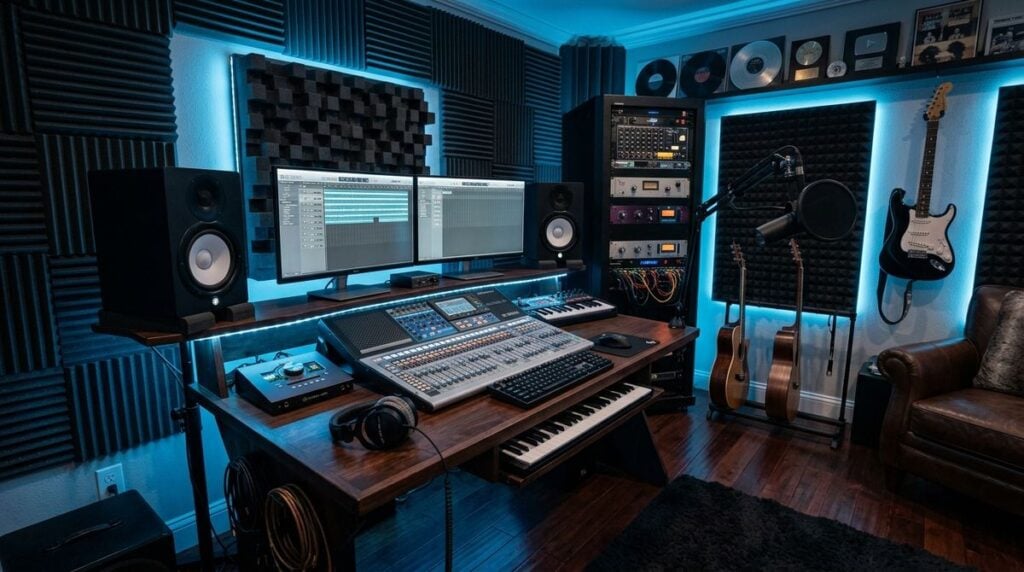
Voice recording for video games demands an exceptionally quiet acoustic environment. Game audio engines amplify subtle vocal passages and apply heavy dynamic compression or spatial processing during gameplay. If your room carries background mechanical hum, external traffic rumble, or flutter echoes, those artifacts become noticeable across hundreds of stacked dialogue files. Constructing a booth with floating floor elements, specialized double walls, and dense insulation ensures that external noise never enters your recordings. Neutral interior acoustics with broadband absorption panels and bass traps will provide dry, pristine speech files that game sound designers can easily manipulate.
Equipment selection should emphasize clarity, low self-noise, and versatile dynamic handling. A transparent condenser microphone paired with a clean microphone preamplifier captures subtle vocal nuances without adding unwanted coloration. Because voice actors frequently shift from quiet whispers to intense battle cries, your hardware chain must handle sudden dynamic swings without clipping. Multitrack recording with a secondary safety track set at a lower gain level provides a reliable method for capturing unpredictable, energetic performances cleanly.
Complementing your vocal recording with custom sound assets can broaden your commercial appeal. While voice tracks bring characters to life, interactive worlds also require detailed physical movement and environmental audio to ground those characters convincingly. If you want to expand your production capabilities to include physical sound design alongside spoken performance, our practical guide on launching a video game foley business explores recording methodologies and asset organization for interactive media. Offering both clean vocal takes and bespoke sound effects gives independent developers a convenient, unified solution for their narrative audio needs.
Establishing Ethical Casting and Studio Standards
A successful voice studio relies on strong, respectful relationships with actors. Directing video game dialogue is physically demanding work for performers, who often spend long sessions shouting tactical commands, groaning in combat, or screaming during action sequences. Establishing responsible session guidelines demonstrates care for your performers. Limit vocally strenuous sessions to reasonable durations, schedule regular vocal rest periods, and always provide room-temperature water. Maintaining a safe, supportive studio culture encourages actors to deliver their most authentic, compelling performances without risking vocal fatigue.
Professionalism and mutual respect form the backbone of any sustainable studio operation. Clear agreements, prompt payments, and transparent communication regarding project usage build your reputation among creative talent and industry agents. Foundational guidance on operating with genuine authenticity is available at thisisukbusiness.com, where the principles of building an honest, value-driven organization are examined in detail. When voice talent knows you uphold ethical standards, top performers will enthusiastically return to your booth for future projects, raising the overall production quality of your client catalog.
Clear casting processes further reinforce your professional standing. When distributing audition materials, provide concise character biographies, relationship context, and phonetic guides for fictional names or invented fantasy terms. Giving actors clear creative context allows them to submit focused, high-caliber auditions. In turn, game developers receive curated casting selections that precisely match their artistic vision, saving them valuable time during pre-production.
Organizing the Branching Dialogue Pipeline
Unlike linear film or television audio, game dialogue is fragmented into thousands of short audio files that are triggered dynamically by player actions. A single character might possess numerous greeting variations, combat grunts, idle observations, and conditional narrative reactions. Without disciplined organization, a dialogue production project can quickly collapse into confusion. Studio managers must establish rigorous naming protocols, metadata tagging systems, and structured folder hierarchies before the first session begins.
To maintain order across large speech databases, adopt a systematic post-recording workflow:
- Standardize file naming conventions based on character codes, scene identifiers, and line numbers.
- Clean heads and tails of audio clips to eliminate room tone shifts and unwanted mouth clicks.
- Tag audio files with emotional states and delivery intensity for easy developer sorting.
- Batch export dialogue files directly into formats that integrate seamlessly with audio middleware engines.
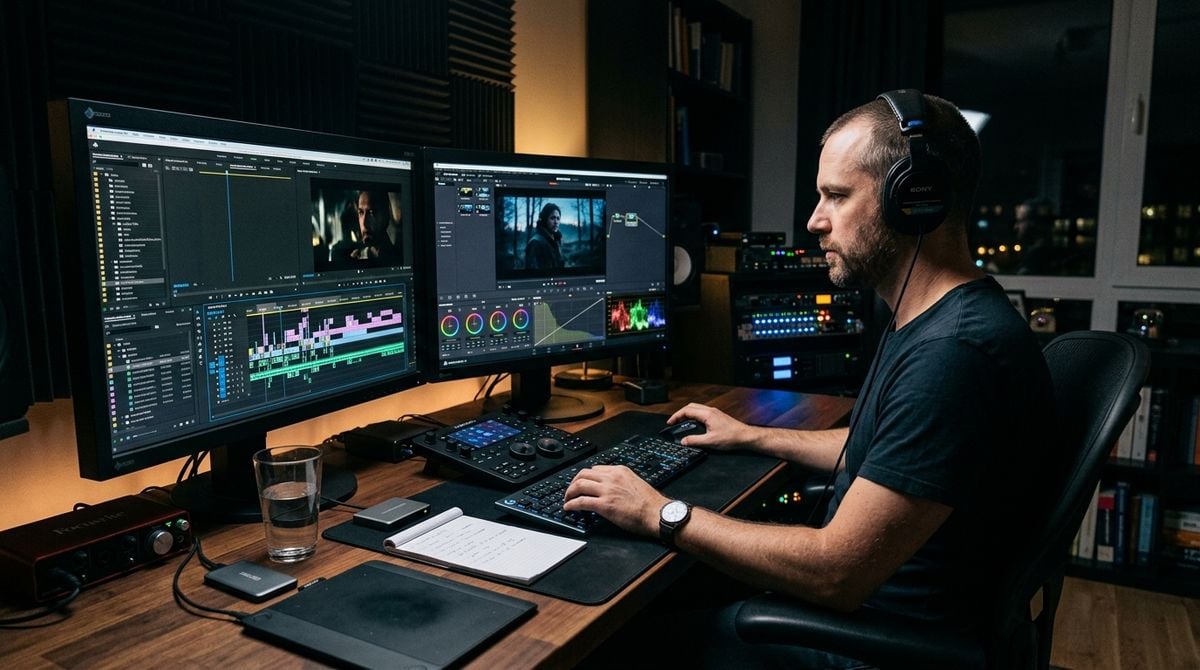
Quality assurance is a vital phase in the dialogue editing pipeline. Every edited line must be auditioned for consistent volume, tonal balance, and technical clarity. If an actor records additional pickup lines weeks after the primary session, your audio engineer must match the original microphone distance and tonal profile seamlessly. Maintaining detailed session logs that record microphone positioning, preamp settings, and monitoring levels ensures that pickup lines blend invisibly into the existing interactive dialogue tree.
Scaling Your Operations and Client Network
Growing a voice studio requires active outreach within the game development community. Many independent game studios lack in-house audio departments and rely entirely on external partners to handle casting, directing, and mastering. Attend game development meetups, participate in indie game jams, and connect with narrative designers who need audio support. Creating targeted showcase reels that demonstrate your ability to direct nuanced drama alongside intense gameplay action gives prospective clients concrete proof of your production quality.
Beyond creative skill, running a sustainable recording facility demands sound operational planning and adaptable commercial practices. Gaining fresh perspectives on organizational development from businesshotel-navi.com can inspire practical strategies for expanding your service offerings, managing workflow efficiency, and cultivating long-term client accounts. Implementing solid business practices ensures that your studio remains financially stable, even during the natural lulls that occur between major game production cycles.
Remote recording capabilities represent another powerful avenue for commercial growth. Equipping your facility with low-latency communication tools and remote monitoring software allows game directors across the globe to listen in and direct sessions in real time. Similarly, you can patch in remote voice talent located in different cities while recording clean local backups. Embracing remote production tools expands your potential client base far beyond your geographic location, turning your studio into an international hub for interactive dialogue production.
Building a specialized video game dialogue and voice acting studio is a rewarding venture that sits at the intersection of performance art and interactive technology. By investing in controlled acoustics, respecting your voice talent, and mastering the complex file management required by modern game engines, you create an indispensable resource for game developers. As gaming narratives continue to evolve in emotional depth and technical ambition, studios dedicated to voice excellence will continue to shape how players experience virtual worlds.