
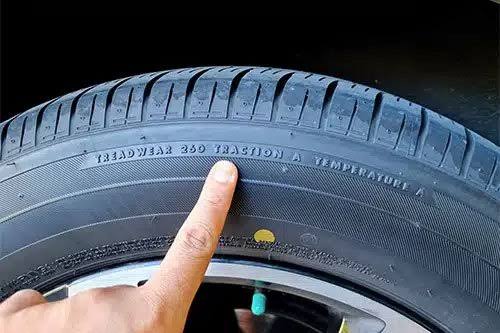
Tires play an essential role in safety, handling, comfort, and fuel efficiency. Because they are constantly exposed to road surfaces, weather, heat, and braking forces, proper tire care is important for every driver. A consistent maintenance routine can help tires wear evenly and remain dependable for longer.
Check Tire Pressure Regularly
Incorrect tire pressure can affect handling and tire wear. Underinflated tires may create additional rolling resistance, while overinflation can make the ride harsher and reduce the contact area with the road. Check pressure when tires are cold and follow the vehicle manufacturer’s recommended setting.
Inspect Tread and Sidewalls
Look for uneven tread wear, cracks, cuts, bulges, or objects lodged in the tire. Uneven wear can sometimes indicate alignment or suspension problems. Addressing the underlying issue early may help prevent further damage and protect the other tires.
Rotate Tires When Recommended
Front and rear tires can wear at different rates depending on the vehicle’s drivetrain and driving habits. Tire rotation, when supported by the vehicle and tire manufacturer, can promote more even wear. Follow the recommended rotation pattern and interval for the specific vehicle.
Maintain Proper Wheel Alignment
Incorrect alignment can cause tires to wear quickly on one edge. It can also affect steering response and make the vehicle pull to one side. If the steering wheel is off-center or the car does not track straight, have the alignment checked.
Avoid Unnecessary Overloading
Carrying more weight than the vehicle is designed for places additional stress on tires and other components. Follow the vehicle’s load recommendations and distribute luggage properly. This is especially important before long journeys.
Choose Compatible Replacement Tires
When replacement becomes necessary, select tires that match the required size, load rating, speed rating, and intended driving conditions. If you are also researching compatible automotive components, suppliers such as Aro Speed can be useful for finding products suited to specific vehicles.
Regular tire checks are especially important before long trips. A few minutes spent checking pressure and condition can help prevent avoidable problems on the road. Keeping tires correctly maintained also supports consistent steering and braking response.
Drivers should also avoid mixing tires with significantly different specifications unless the vehicle manufacturer specifically allows it. Matching tires appropriately across the axle can help maintain predictable handling.
Following the manufacturer’s tire recommendations and replacing worn tires at the appropriate time can help keep the vehicle dependable in different road conditions.
## Final Thoughts
Tire longevity depends on regular attention rather than occasional emergency checks. Maintaining correct pressure, inspecting tread, rotating tires when appropriate, and keeping the wheels aligned can support longer service life.
Good tire care also helps preserve predictable handling and braking performance. By following the vehicle manufacturer’s recommendations and replacing tires when they are no longer suitable, drivers can keep their vehicles safer and more dependable.