Long gaming marathons and late studio sessions share one common problem. Food gets forgotten until hunger sets in, and the choices made under pressure are rarely the best ones. The answer is less about one perfect meal and more about a steady routine that survives busy weeks. Ongoing habits such as stocking, rotating and resetting a snack station keep the table tidy and the pantry predictable.
Treating the snack setup as a standing system rather than a one time project makes it far easier to maintain. A small set of rules, written once and revisited now and then, prevents the slow drift back to crumbs on the keyboard. The ideas below cover the weekly, monthly and seasonal tasks that keep a station working over the long run.
A Weekly Restock Rhythm for the Snack Station
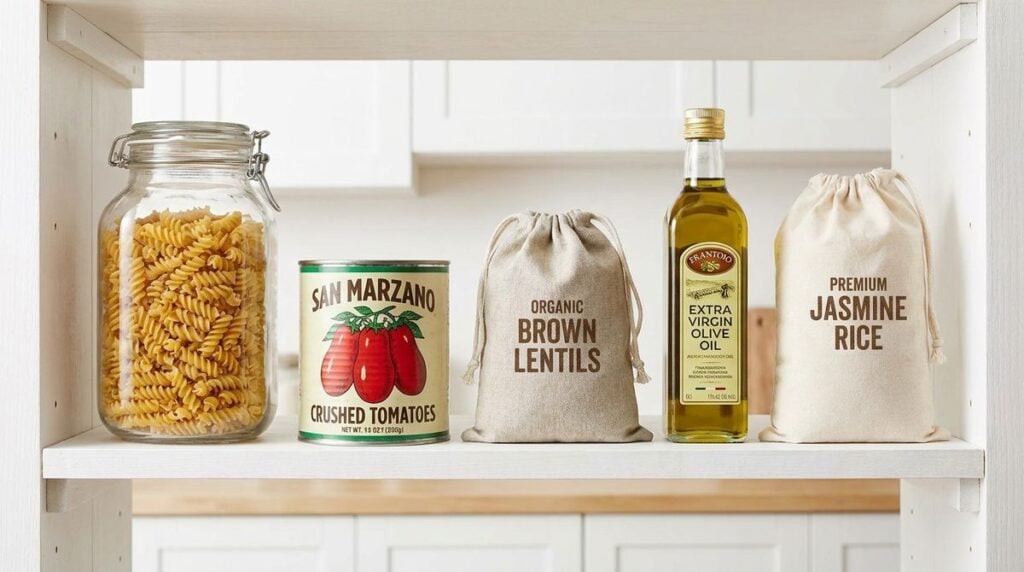
Set aside a short slot each week to check what is running low. Look at the basics first, such as crackers, nuts, dried fruit and a few simple spreads, and note anything that has only a few servings left. Keep a shared list on the fridge door so every member of the group can add items without asking first. A list that everyone can see prevents the same item from being forgotten twice in a row.
Rotate the stock as you put it away. Move older packages to the front of the shelf and place new ones at the back, so nothing quietly expires in a corner. Wipe the counter and the shelf edges at the same time, which takes only a few minutes and keeps the area ready for the next session. Readers may also want to visit Auto Car News HQ.
Monthly Clean Out and Storage Check
Once a month, empty the snack shelf completely and inspect every container. Look for moisture, signs of pests and any lid that no longer seals firmly. You can also visit martin-bike.com for more reading. Replace anything damaged, and move bulk items into labeled jars so they are easy to scoop.
Check the cooling supplies as well. Clean the fridge drawers, remove anything past its useful life and make sure leftovers are dated before they go back in. A clear, organized fridge makes it obvious when an item needs using up. This monthly reset is also a good time to reconsider which items actually get eaten and which ones simply take up room on the shelf.
Seasonal Planning for Heavier Sessions
Long projects often arrive in waves, such as a launch week, a tournament weekend or a recording block that stretches into late nights. Plan for these periods a few weeks ahead by building a short list of make-ahead options. Batch cooked items, portioned snacks and sturdy fruit all hold up well during heavy sessions. Storing a few of these in the freezer gives you backup options when the schedule gets chaotic.
Keep a separate box for drink supplies and cups so the main station stays clear. Consider where trash and recycling will go during a marathon, because a full bin can slow a whole room down. For a related read on this site, see Optimizing Your Personal Vehicle for Band and Gaming.
Some households also keep a small logbook beside the pantry shelf that records which snacks disappeared fastest during a long stretch. Over the following weeks, that log reveals which items deserve a larger share of the budget and which ones can be dropped without complaint. It becomes a practical guide for the next planning session. Everyone who uses the station can add a line, so the record reflects real habits rather than assumptions about what people enjoy eating late at night. Keeping each entry short, with only a few words, makes it easy to maintain during a hectic session.
Warning Signs the Routine Is Slipping
The first sign is usually a pile of wrappers that stays on the table after a session ends. Another sign is a shelf where the same forgotten packets keep reappearing, because nobody checked the dates. When the shared list stops getting updated, the group is likely to run out of basics at the worst moment. Treat each of these as a prompt to reset the system rather than as a reason to give up on it.
Pay attention to noise and smell too. Spills that sit overnight, sticky surfaces that never get wiped and a fridge that smells sour all point to a routine that needs more structure. A short team talk and a fresh schedule usually restore order quickly. Small fixes done early are much easier than a full clean out after a stressful week.
Keeping the Station Going Between Projects
A snack station works best when it is treated as a living part of the workspace. Weekly restocks, monthly checks and seasonal planning take only modest effort, but they make every session calmer. When the routine is written down and shared, it stops depending on one person’s memory. That is what keeps the space useful long after the first setup.