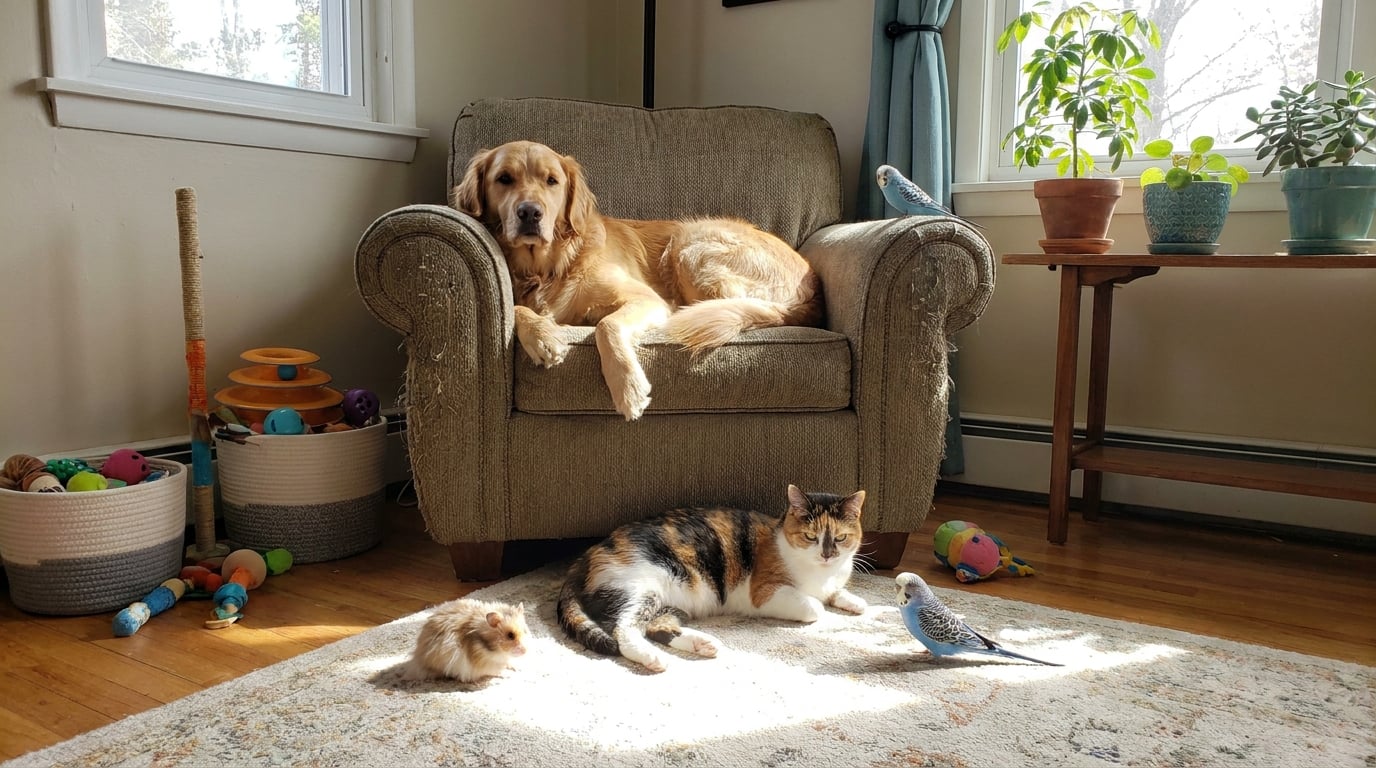
Working in game audio and entertainment sound requires intense concentration, technical skill, and extended periods in front of studio monitors. Sound designers and game composers spend long stretches crafting immersive soundscapes, shaping audio effects, and balancing complex mixes. Because much of this work happens in home studios or private creative spaces, professionals frequently share their environment with companion animals. While having pets nearby brings comfort during demanding milestones, it also requires awareness of how production routines influence their peace of mind.
Navigating audio production alongside pet care is an ongoing learning process for media creators. Audio work introduces unique challenges that typical office jobs never encounter, from sudden transient peaks during action game mixing to repetitive playback loops while editing dialogue. Balancing career ambitions with attentive pet care does not require sacrificing creative standards. Instead, it invites artists to establish structured routines, organize studio workflows, and prioritize mutual well-being across every working day.
Navigating Professional Growth in Interactive Audio
Building a durable career in game sound requires steady refinement of technical skills and business awareness. Interactive audio moves quickly, with studios adopting new implementation tools, middleware platforms, and dynamic mixing workflows across various project scales. Freelance sound artists must master their audio toolkit while managing client communications, delivery schedules, and portfolio expansion. Navigating these responsibilities successfully requires structured habits so that creative energy remains vibrant without inviting burnout.
Long-term career vitality in interactive media also involves understanding broader industry movements across the entertainment sector. Creators who succeed over time follow market trends, studio hiring shifts, and emerging production methodologies. Professionals interested in broadening their commercial perspective often turn to informative platforms like Konami-europe.net for insights into trending business developments and practical avenues for ongoing career growth. Expanding industry literacy helps creators anticipate commercial trends and structure sustainable project schedules.
Managing business tasks with clarity prevents the chronic rush that frequently characterizes creative deadlines. Organized scheduling enables sound designers to establish predictable working hours rather than working through chaotic late-night mixing sessions. A predictable schedule provides a stable rhythm for household life, supporting the physical and emotional needs of companion animals who flourish under dependable daily routines.
Recognizing Acoustic Sensitivity in Household Pets
Game sound design relies heavily on wide dynamic ranges, powerful low-end impacts, and sharp high-frequency elements. While human ears interpret these sounds within an artistic context, domestic animals perceive sound through acute biological hearing. Dogs, cats, and small animals detect frequencies far higher than human ears can register. A synthesized laser blast or a compressed explosion that sounds satisfying through monitor speakers can cause genuine distress to an animal resting nearby.
Repetitive listening cycles can be particularly stressful for household animals. Sound designers frequently scrub across a brief audio region or loop an engine sound repeatedly while adjusting equalization or modulation parameters. These unnatural, repeating sounds can create quiet anxiety in animals who cannot identify the source of the noise. Observing how your pet responds to distinct audio tasks helps identify when monitoring levels should be adjusted.
Protecting pet comfort requires understanding their sensory limits and general physical wellness. Maintaining animal vitality during busy production schedules means prioritizing proper rest, nutrition, and peaceful living spaces. Creative professionals seeking dependable guidance on animal care often rely on educational resources like Pettagspro.org to learn about pet sensitivity and positive routines that support a healthy lifestyle. Combining audio discipline with sensible animal care fosters an environment where creative work and domestic harmony coexist comfortably.
Structuring Creative Sessions and Workspace Boundaries
A sustainable studio routine relies on clear boundaries between high-energy audio tasks and quiet household spaces. Sound designers producing dynamic game audio can designate specific times for open-speaker playback and reserve other hours for headphone monitoring. Utilizing closed-back headphones during repetitive editing, clean-up tasks, and synthesizer patch creation shields pets from abrasive noise without compromising critical listening accuracy. Reserving monitor speakers for final mix checks protects animal ears from constant acoustic exposure.
Along with monitoring choices, workspace layout plays an essential role in keeping pets safe. Studio environments often feature dense clusters of power supplies, heavy equipment stands, and sensitive acoustic panels. Creators looking for practical layout advice can read our earlier guide on designing a pet-friendly home studio to arrange workstations, secure vulnerable cables, and designate comfortable pet areas. Thoughtful room organization ensures that animals can stay nearby without encountering electrical hazards.
Establishing boundaries also means providing pets with an easy exit. Keep studio doors slightly open or place a soft bed in an adjacent quiet room so your companion can leave whenever speaker playback begins. Giving animals the freedom to choose their environment eliminates the trapped feeling that can turn ordinary studio work into a stressful event.
Essential Daily Practices for Harmonious Production
Developing reliable production rituals supports both project delivery deadlines and animal companionship. Simple adjustments to your workflow can transform a chaotic work area into an organized creative sanctuary. Small, intentional habits repeated consistently protect your hearing, refresh your artistic focus, and provide meaningful structure for your companion animal throughout long production days.
Integrating straightforward habits into your daily production calendar creates a balanced workflow that benefits everyone sharing the space:
- Take regular listening pauses to rest your ears, drink water, and check on companion pets.
- Transition to closed-back headphones during high-frequency synthesis and repetitive asset editing.
- Route patch cables, power lines, and audio cords through enclosed management raceways.
- Set up a soft pet bed in a quiet adjacent room away from direct speaker lines.
These practical measures serve dual purposes. Regular pauses give fatigued ears a needed rest, allowing you to return to game audio mixes with renewed objectivity and sharper decision-making. Stepping away from the workstation also lets you offer gentle attention to your pet, reinforcing calm behavior and breaking up sedentary studio hours with brief physical activity.
Cultivating Long-Term Balance in Creative Entertainment
Working in entertainment sound design is rewarding, but it can be emotionally demanding when project deadlines approach. Technical troubleshooting, client revisions, and heavy workloads often create subtle tension in a home workspace. Animals are sensitive to human emotional shifts and can absorb stress when their caretakers become overwhelmed. Maintaining a calm, composed atmosphere in the studio supports personal mental resilience while reassuring companion animals through busy production cycles.
Companion animals offer an invaluable counterweight to the intense digital focus demanded by modern game development. When an audio session feels frustrating, spending a few moments with a pet provides grounding perspective that software menus and hardware controllers cannot offer. Honoring their presence through controlled volume levels, structured breaks, and attentive care enhances the human side of your creative profession.
Achieving excellence in game audio does not require sacrificing personal wellness or the comfort of the animals who share your space. By pairing dedicated career development with mindful acoustic practices and attentive care routines, audio professionals build fulfilling careers supported by peaceful home environments. Approaching both creative work and domestic responsibilities with deliberate care creates lasting stability for your craft, your mind, and your companion animals.