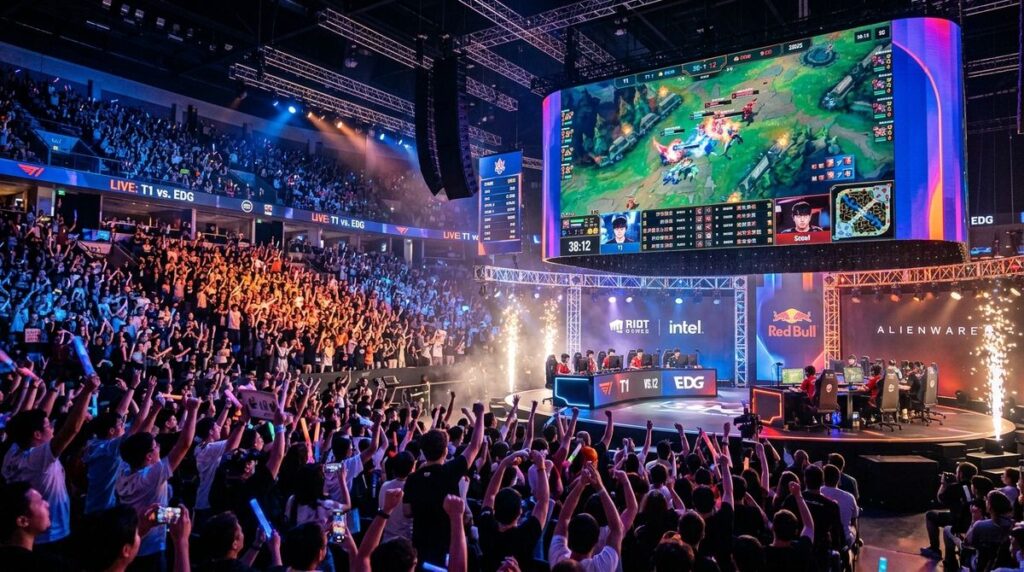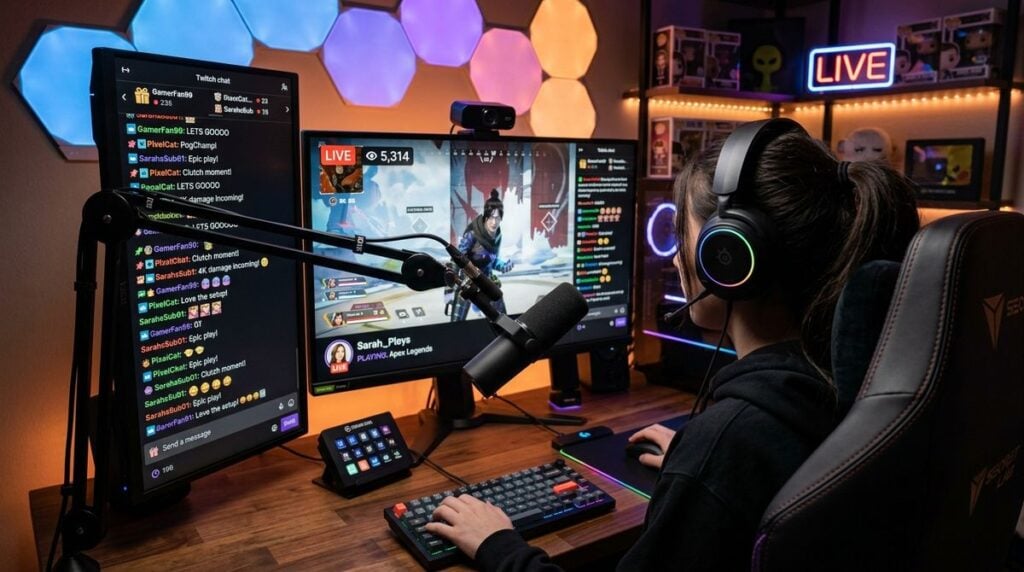
Every immersive video game relies on sound to make fictional spaces feel tangible. When players enter an unfamiliar digital realm, their ears search for familiar logic. Sound effects, musical themes, and environmental ambiences communicate danger, mystery, or relief far quicker than visual cues alone. Creating audio that resonates deeply requires genuine curiosity about how the world functions, how societies evolve, and how people react to sudden change.
Many audio creators struggle to develop a unique sonic identity for interactive projects. It is easy to rely on standard cinematic tropes, like predictable brass swells for combat or generic synthesized hums for futuristic cities. While these conventions are recognizable, they often leave games feeling hollow. By studying real events and cultural shifts, sound designers and composers can uncover fresh perspectives that make virtual worlds feel truly alive.
Connecting Current Affairs to Fictional Soundscapes
Fictional game worlds almost always reflect real human experiences, even in fantasy or sci-fi settings. Political rivalries, industrial expansions, resource shortages, and diplomatic conflicts happen every day across the globe. When game composers understand the emotional undercurrents of these events, they can craft scores that mirror the psychological weight of authentic crisis and resolution.
Audio directors working on speculative fiction or modern political narratives often track global headlines through resources such as airdemon.net to understand the tensions, technical innovations, and industrial changes shaping modern society. Reading about international relations and economic transformations provides valuable context on how institutions operate during instability. A composer scoring a narrative about corporate espionage can draw inspiration from real logistics disputes to choose tense, mechanical rhythms and austere instrumentation that evoke bureaucratic pressure.
Observing real events also helps sound designers construct plausible environmental ambiences. A city recovering from an industrial disaster sounds distinctly different from a metropolis thriving under commercial expansion. By paying attention to international reporting, sound artists learn how public infrastructure, transportation systems, and civil movements sound during critical moments. Translating those authentic textures into a game engine helps build environments that feel grounded in history.
Uncovering Quirky Stories for Unique Audio Identity
While broad geopolitical headlines provide structural themes for major story arcs, smaller human interest stories offer the eccentric details that make game worlds memorable. Independent games and character-driven adventures often succeed because of quirky, charming, or unsettling moments. Finding unique source material outside conventional entertainment channels prevents your creative palette from becoming derivative.
Digging through curated digests on News-Raid.com helps composers spot quirky subcultures, unexpected discoveries, and concise human interest pieces that can spark fresh narrative ideas for interactive music. An unusual article about an isolated village festival, an eccentric inventor, or an unexplained natural phenomenon can become the seed for an entire musical faction or a distinctive character motif. When you explore real eccentricities, your audio choices gain an organic richness that cannot be manufactured through standard sound design tropes.
These unique stories can also inspire creative foley work and unconventional instrument choices. Learning about forgotten traditional ceremonies might encourage a sound designer to experiment with homemade percussion, while a brief report on an unusual maritime signal could lead to inventive audio processing techniques. Integrating these unexpected elements makes your sonic universe stand out in a crowded market.
A Practical Routine for Audio Research
Gathering inspiration from world news requires discipline, because endless browsing can quickly become an unproductive distraction. Sound creators need a focused system that extracts useful concepts without stealing precious studio time. Establishing clear boundaries turns casual reading into an active creative reservoir.
A structured research workflow helps you capture compelling ideas while keeping your production schedule on track:
- Dedicate a brief window each morning to scan global news and cultural summaries.
- Keep a dedicated audio idea notebook to record interesting textures, themes, and emotional concepts.
- Categorize your research notes by emotional tone, acoustic timbre, or prospective game genre.
- Create a weekly audio sketch inspired by a single compelling story or technological discovery.
Maintaining this habit ensures that your creative well never runs dry. When you begin a new game audio contract, you will not stare at an empty timeline wondering where to start. Instead, you can open your research log and draw from authentic observations, cultural concepts, and sonic sketches ready to be developed into full interactive compositions.
Translating Real Phenomena into Sound Design Techniques
The bridge between an interesting news story and a compelling sound design asset lies in translation. When you read about a technological breakthrough, a climate event, or an archaeological find, consider how that event translates into frequency, rhythm, and space. Sound design is an interpretive art where concepts take shape through physical acoustics.
Consider a report detailing advancements in telecommunications or deep-sea exploration equipment. Rather than merely mimicking the sound of modern hardware, analyze the underlying qualities: extreme isolation, high-pressure environments, microtonal interference, and delicate electronic signals. You can recreate these sensations using modular synthesis, bandpass filtering, and resonant frequency manipulation. The technical report informs your creative parameters, giving your sound design a coherent internal logic.
Similarly, cultural and social stories can guide your harmonic language. A story about communities rebuilding after hardship suggests harmonic tension resolving into intimate acoustic instruments like solo strings or hand-pumped harmoniums. Linking your arrangement choices directly to real human resilience creates an intuitive emotional connection with players who experience those themes during pivotal gameplay sequences.
Balancing Creative Research with Professional Deadlines
As rewarding as deep research can be, sound artists and in-house studio designers must maintain steady momentum on commercial projects. Clients expect timely delivery of sound assets, bug fixes, and audio implementation milestones. Getting lost in research can lead to missed deadlines and unnecessary stress if you do not manage your time carefully.
Balancing deep background research with ongoing client deliverables is an essential part of building a sustainable game audio freelance career without suffering from creative exhaustion. Successful freelancers treat conceptual research as an investment that accelerates production rather than a leisure activity that delays it. By setting strict time limits on research sessions, you protect your billable hours while ensuring that your creative output remains fresh and imaginative.
Communicate with your development team about the research that informs your audio choices. Game directors and narrative designers appreciate audio professionals who understand the broader themes of the story. Articulating how real events shaped the instrumentation of a faction or the sound design of a fictional machine builds confidence with clients and establishes you as a valued narrative partner.
Audio creation for games and interactive entertainment continues to expand in ambition. By stepping outside standard media tropes and observing the world with curiosity, you give your music and sound design a distinct, memorable edge. The stories happening around the globe carry all the tension, nuance, and emotional depth needed to inspire truly unforgettable game audio.