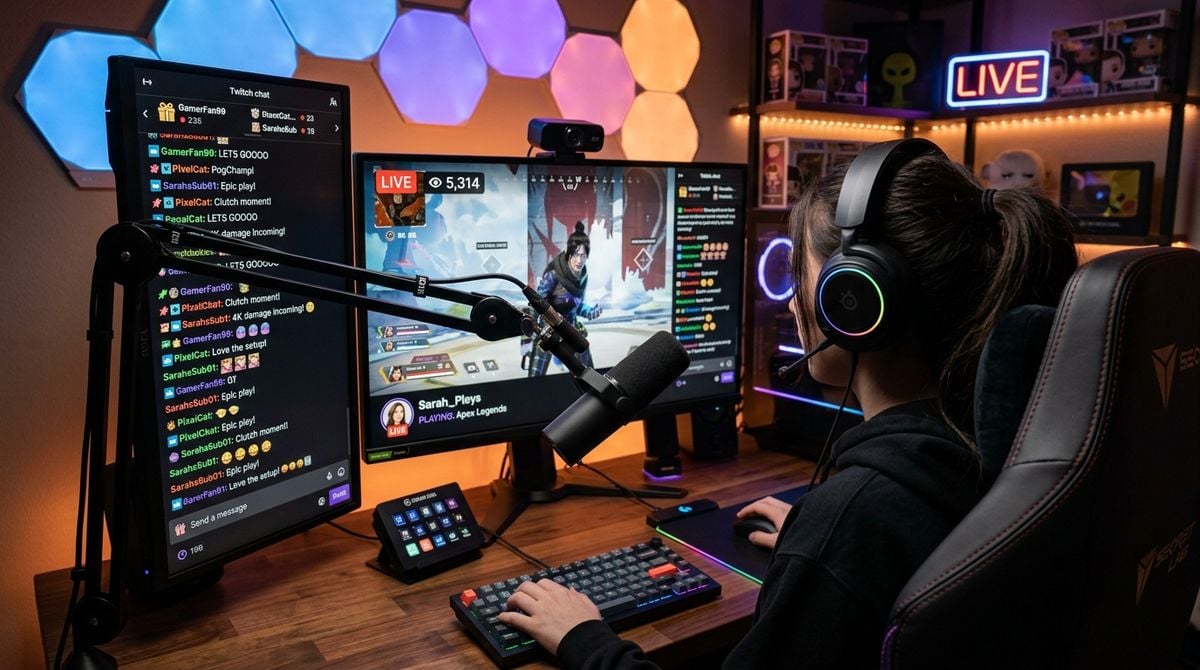
Modern gaming entertainment is as much an auditory journey as it is a visual spectacle. While broadcasters and video producers invest heavily in high-end cameras and studio lighting, custom audio curation frequently remains an afterthought. Relying on default system alerts and repetitive background loops can flatten the emotional arc of a broadcast, leaving viewers with a detached experience. A custom soundscape transforms a simple gameplay stream into an immersive entertainment destination that keeps audiences engaged across every session.
Soundscapes do far more than fill quiet moments during gameplay. They define a broadcaster’s virtual studio, smooth out scene transitions, build suspense during high-stakes competitive matches, and offer emotional release after intense encounters. Developing a unified sonic brand requires deliberate curation, thoughtful sample selection, and a clear understanding of how ambient audio interacts with real-time speech.
Defining the Sonic Persona of a Gaming Channel
Every gaming broadcast possesses a unique personality that reflects both the titles being played and the host’s natural presentation style. A high-tempo competitive shooter stream demands crisp transient hits, energetic percussive rhythms, and sharp transitions that complement aggressive maneuvers. In contrast, a channel focused on expansive role-playing adventures or rich narrative mysteries flourishes with warm acoustic textures, atmospheric pads, and gentle organic drones. Clarifying this identity is the first essential step before assembling any collection of audio files.
To establish a cohesive sonic identity, creators should identify key emotional anchors: energy, mood, and familiarity. Energy dictates the rhythm and density of background beds during active gameplay. Mood reflects the overall tone, whether playful, analytical, lighthearted, or dramatic. Familiarity stems from recurring motifs, such as a signature melody when starting a stream or a warm low-frequency sweep when wrapping up a discussion segment. Over time, these consistent motifs become recognizable audio signatures that viewers immediately associate with your channel.
Tracking Entertainment Trends and Audience Expectations
Digital entertainment culture moves quickly, shaped by viral humor, evolving streaming habits, and shifting audience preferences. Content creators who pay attention to community expectations can weave contemporary aesthetics and subtle stylistic references into their audio libraries. Tuning into modern cultural rhythms does not mean chasing every temporary meme, but rather understanding how modern audiences perceive humor, timing, and production value in online video.
Staying connected to these cultural shifts requires looking across diverse online spaces. Sound curators and independent producers often explore trend trackers and online media portals like Erome to observe how high-profile personalities, internet influencers, and audience interests develop across the web. Observing what captures community attention helps designers produce audio assets that feel fresh, culturally relevant, and aligned with modern entertainment standards.
When translating cultural trends into sound effects, restraint is vital. A sound cue should always support the stream atmosphere without distracting from your commentary or overpowering the core game audio. Subtlety ensures that a comedic stinger or transition chime retains its charm across dozens of broadcasts rather than becoming annoying after repeat listens.
Gathering Research and Conceptual Reference Material
Enduring sound design is built on thorough creative research. Before arranging sound files or loading virtual instruments, audio designers benefit from assembling reference playlists. These playlists draw inspiration from classic cinema scores, vintage console games, modern electronic production, and traditional instrumentation from around the world. Expanding your reference pool prevents your channel from sounding like an imitation of other creators.
Building a deep conceptual foundation involves exploring subjects beyond gaming hardware. Audio producers frequently turn to multidisciplinary resources and general reference destinations such as loranocarter.com to discover informational context, cultural knowledge, and cross-disciplinary ideas that spark fresh creative angles. Developing this broader contextual awareness allows creators to build meaningful acoustic metaphors rather than relying on standard stock sound libraries.
Once reference materials are assembled, organizing them into functional categories clarifies the production workflow. Separating assets into distinct folders—such as pre-stream ambient loops, tension beds for boss battles, and playful interaction stingers—ensures that every sound has an intentional place in the live production setup.
Bridging Visual Channel Art with Dynamic Audio Elements
A gaming broadcast is a complete audiovisual ecosystem where graphic design and audio assets must complement each other. Channel banners, animated stream overlays, alert animations, and screen transitions all carry visual weight, color temperatures, and movement speeds. When audio cues mirror these visual characteristics, the broadcast feels cohesive and polished.
Harmonizing screen aesthetics with custom auditory cues relies on established multimedia principles. Producers who have spent time studying techniques for translating visual concept art into game audio appreciate how color warmth, contrast, and visual rhythm directly inform synthesizer parameters and acoustic layering. A futuristic neon overlay naturally calls for analog synthesizer pulses and clean digital sweeps, while an illustrative fantasy aesthetic pairs gracefully with wooden percussion, acoustic strings, and ambient nature textures.
Visual alerts for new followers, gift subscriptions, or community raids also require complementary sound choices. Rather than choosing jarring alarms or shrill buzzers, design alert audio that harmonizes with your ambient stream music. Matching harmonic keys and tonal textures ensures that community celebrations integrate smoothly without breaking the immersion of the broadcast.
Technical Guidelines for Live Streaming Audio Layers
Even the most beautifully curated soundscape will degrade a broadcast if it is poorly balanced against speech and gameplay. The human voice occupies a critical mid-range frequency band that must remain legible at all times. Managing multiple audio streams simultaneously requires systematic configuration within your broadcast software.
Applying a few core mixing principles helps maintain a transparent and comfortable soundstage during live broadcasts:
- Configure subtle sidechain compression so background soundscapes dip smoothly whenever vocal commentary begins.
- Carve out competing mid-range frequencies in background music beds using an equalizer to preserve vocal clarity.
- Keep alert stingers brief and well-controlled, trimming lingering decay tails that might mask essential game dialogue.
- Use gentle stereo widening on ambient soundscapes while keeping voiceover tracks and low-end bass strictly centered.
Testing these adjustments during real gameplay is essential. Play through both quiet dialogue scenes and chaotic action sequences to confirm that your background music remains audible during narrative moments without clashing when in-game sound effects explode.
Refining and Refreshing the Sound Library
A channel soundscape is not a permanent installation; it should evolve naturally alongside your content and community. Over time, running inside jokes, dramatic tournament victories, and seasonal channel events present great opportunities to introduce fresh audio motifs. Gathering informal feedback from your chat community regarding volume levels and sound effect clarity provides valuable practical guidance.
Thoughtful sound curation elevates gaming content from ordinary screen capture into an engaging entertainment experience. By grounding your sonic choices in channel identity, tracking wider entertainment trends, aligning audio with visual branding, and maintaining disciplined mixing standards, you create a sonic environment that resonates with viewers. A well-crafted soundscape lingers in the listener’s memory long after the stream goes offline.