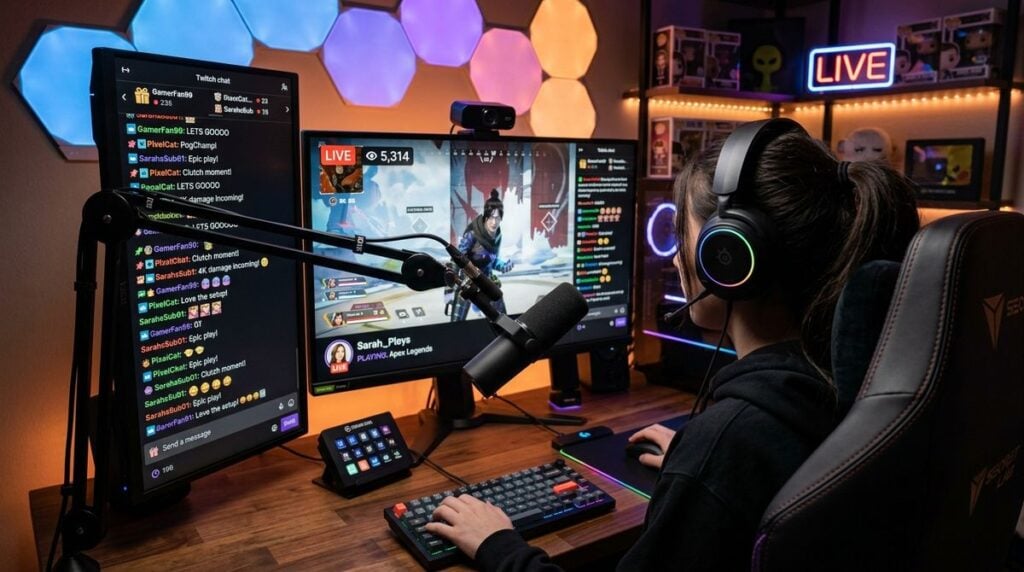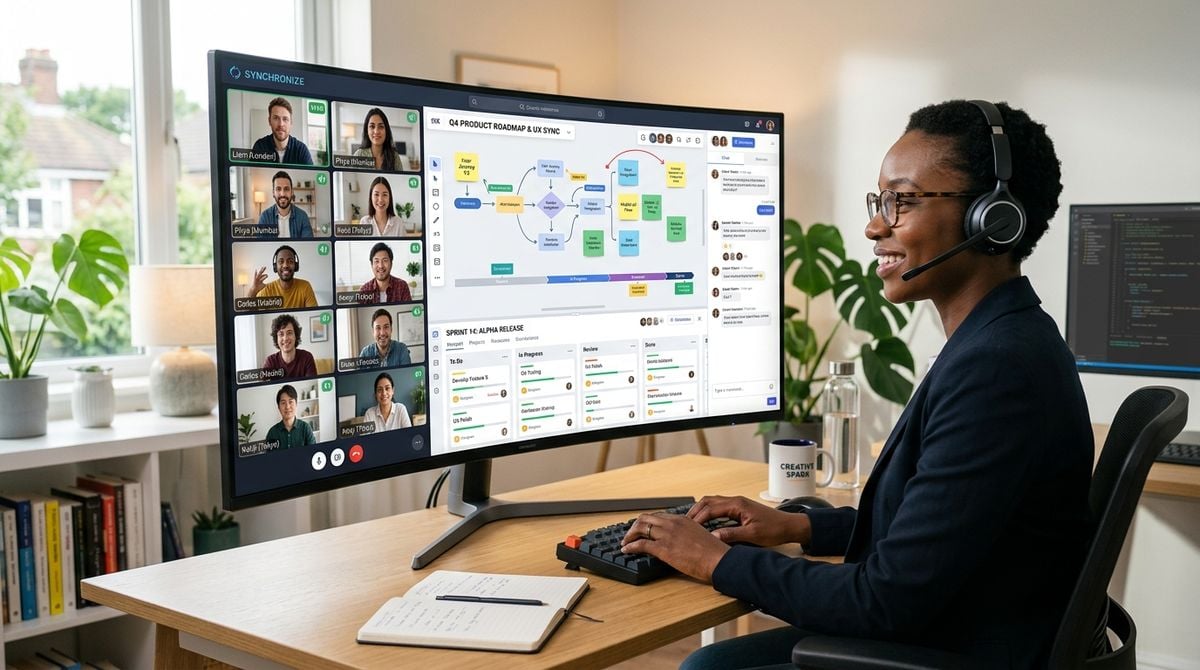
Narrative video games rely on soundscapes that evoke deep emotional resonance, dramatic tension, and authentic cultural texture. When sound designers and composers work exclusively inside isolated home studios, their sonic choices can gradually become insular, predictable, or repetitive. Even the most versatile audio creators face natural limitations when attempting to imagine every atmospheric perspective from a single workstation. Stepping beyond familiar creative routines is essential for any developer who wants their virtual game world to feel vibrant, credible, and emotionally rich.
Developing a distributed peer network across international borders introduces fresh recording methods, diverse acoustic instruments, and distinct storytelling philosophies into your projects. Instead of relying solely on standard commercial audio libraries that sound familiar to experienced players, you can collaborate with artists who bring genuine regional traditions and distinctive creative instincts. By deliberately reaching outside your immediate circle, you turn game sound design into an evolving global conversation that elevates every scene.
Broadening Story Perspectives Through Diverse Cultural Insights
Story-driven games frequently explore universal human themes such as displacement, companionship, legacy, sorrow, and survival. While these core themes resonate across languages, the auditory metaphors used to convey them can vary dramatically between different societies and musical traditions. A chord progression, vocal timbre, or ambient texture that feels melancholic in one culture might carry an entirely different emotional association elsewhere. Understanding these subtle perceptual variations helps game audio teams craft worlds with authentic emotional depth and cross-cultural resonance.
Broadening your storytelling perspective requires looking beyond technical audio manuals and observing how people discuss creative themes across diverse media. Exploring narrative discussions on open community platforms like letterboxd allows sound designers to study how audiences interpret character arcs, thematic motifs, and pacing across varied artistic works. Observing how diverse audiences break down story elements provides valuable clues about how sound can underscore emotional moments without overwhelming dialogue, environmental ambiance, or active gameplay.
When you incorporate wide-ranging cultural reflections into your design philosophy, your sonic choices become far more purposeful. You begin to question whether a dramatic moment truly requires a predictable orchestral swell or if a quiet, culturally specific acoustic texture could deliver a more profound emotional impact. This thoughtful approach transforms game sound from mere background decoration into an active narrative partner that stays with players long after the credits roll.
Finding and Engaging Remote Audio Collaborators
Modern digital tools allow creators to collaborate across continents with remarkable ease, yet discovering the right artistic partners still requires deliberate effort and genuine curiosity. Many talented instrumentalists, foley artists, voice actors, and field recordists operate outside traditional commercial entertainment hubs. Discovering these individuals involves looking beyond standard freelance job boards and seeking out welcoming environments centered around community, discussion, and mutual sharing.
To build a meaningful network, participate in digital spaces where creators gather to exchange ideas across borders. Joining international hubs such as newshopu.com can help independent audio creators connect with peers around the world, share cultural perspectives, and discover unique musical voices that enrich collaborative game development. These community spaces encourage open dialogue, making it easier to form relationships based on shared artistic curiosity rather than transactional demands.
When reaching out to potential collaborators, present your game vision with clarity, respect, and enthusiasm. Share conceptual artwork, describe the narrative atmosphere of each environment, and explain why their specific acoustic voice fits the project. Inviting collaborators to express their own artistic interpretation fosters genuine enthusiasm and helps them feel invested in the creative outcome of the game.
Essential Workflows for Distributed Sound Teams
Collaborating across different time zones requires dependable operational habits and clear communication channels. When team members cannot sit together in a physical control room, disciplined project management prevents costly misunderstandings and keeps production moving forward smoothly. Establishing clear protocols early in the production cycle ensures that creative energy remains focused on sound design and composition rather than administrative troubleshooting.
Here are practical habits that streamline remote audio collaboration:
- Establish consistent file naming rules that include scene tags, track categories, and revision numbers to prevent confusion during game engine implementation.
- Provide short gameplay capture clips with visible timecode so remote composers and sound designers can reference exact visual timings and pacing.
- Agree on uniform sample rates, bit depths, and delivery formats before recording begins to ensure seamless integration across your digital audio workstations.
- Use shared cloud repositories with dedicated folders for raw recordings, processed assets, and final mix stems to maintain clean version control.
Structuring your remote pipeline around these straightforward steps eliminates guesswork and reduces friction for everyone on the team. Collaborators can deliver their recordings with confidence, knowing their assets will drop directly into the project without requiring tedious reformatting. Predictable workflows also build mutual trust, which is vital when working alongside artists who live thousands of miles away.
Managing Shared Resources on Independent Budgets
Independent game developers often worry that managing a global network will stretch their production budgets beyond manageable limits. In practice, distributed collaboration often proves remarkably economical when teams share specialized skills, unique acoustic spaces, and custom assets. A composer in one region might trade custom synthesizer presets or field recordings with a performer in another, multiplying the creative value of every recording session.
Effective collaboration depends on realistic scope definition and smart resource planning from the very start. If you want practical strategies for maintaining high audio standards without overspending, our practical advice on producing independent game audio on a budget outlines how independent developers can allocate daily resources responsibly while keeping creative ambitions high.
When teams pool unique acoustic captures and specialized talents, the entire production benefits from an elevated standard of quality. Instead of settling for synthetic approximations of rare acoustic instruments or purchasing expensive commercial sound packs, you gain access to authentic performances recorded specifically for your game world. This cooperative mindset allows independent studios to achieve sonic richness that rivals much larger productions.
Sustaining Long-Term Creative Relationships
The strongest collaborative networks are built over time through consistent mutual appreciation and professional reliability. Treating international contributors as true creative partners rather than temporary service providers builds lasting loyalty and shared pride in the finished game. Even between active production cycles, maintaining casual contact helps preserve the creative spark and keeps communication channels open.
Take time to share interesting sound design experiments, recommend inspiring pieces of music, and celebrate your collaborators when their external work earns recognition. Giving prominent credit in your game menus and promotional materials demonstrates genuine respect for their artistic contribution. When partners know their work is celebrated, they are eager to collaborate again when your next production begins.
Building a global audio network takes patience, clear communication, and an open artistic mind, but the creative payoff is undeniable. Narrative games thrive on authentic emotional details, and a diverse team of sound creators brings depth that no single studio could manufacture alone. By reaching across borders, you build an interactive soundscape that captivates players and immerses them in an unforgettable storytelling experience.