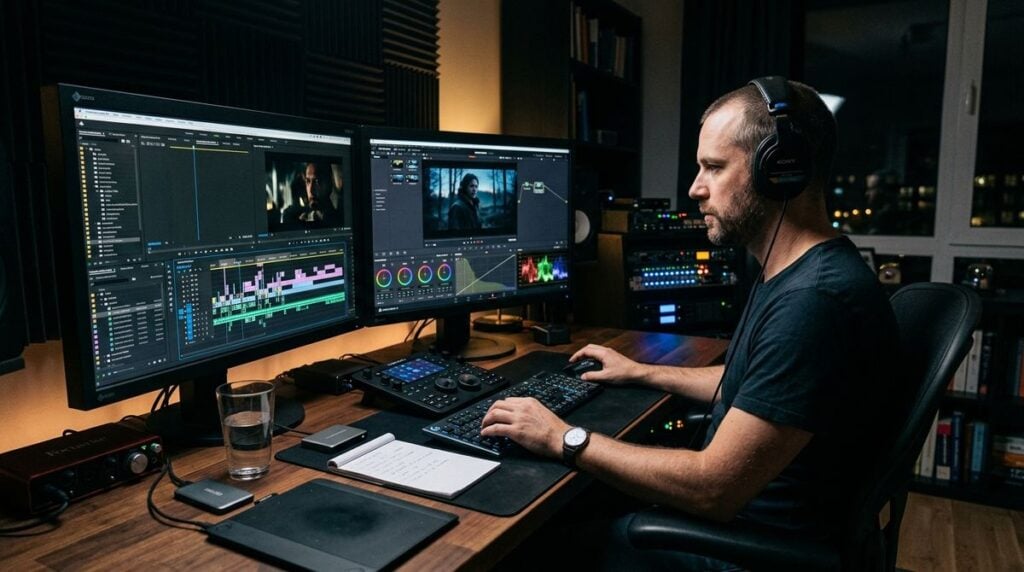
Video games centered on community building, rural life, and gentle routines have captured a dedicated audience across the entertainment landscape. In these reflective spaces, audio carries a unique responsibility. Rather than driving adrenaline, the music and environmental sounds welcome players into an environment where they feel safe to explore. Crafting this emotional atmosphere requires a deliberate shift in how composers and audio designers approach sound selection and interactive progression.
When players spend hours tending virtual gardens or chatting with neighbors, repetitive audio causes irritation. A successful cozy soundscape creates a sanctuary by blending soft acoustic textures, evocative environmental noise, and responsive cues into an audio ecosystem that feels alive yet gentle. Achieving that balance involves studying real human connections, drawing inspiration from heartwarming global events, and using physical studio tools to shape organic acoustic qualities.
Finding Inspiration in Community and Daily Habits
Authentic soundscapes begin with observation. In cozy titles and social simulations, the fictional town square serves as the heartbeat of the experience. To make that space feel genuine, audio creators should step away from standard sound libraries and study how real-world communities interact. Morning footsteps on cobblestone, ceramic mugs in a neighborhood cafe, and distant murmurs of conversation establish emotional grounding far more effectively than grandiose orchestral arrangements.
Gaining a realistic sense of community dynamics comes from watching how people support one another in daily life. Reading thoughtful neighborhood features and positive lifestyle reporting on bullhornnews.com offers sound designers direct perspective on local initiatives, community gardens, and collaborative activities that make neighborhoods thrive. Observing these small acts of cooperation helps creators identify everyday auditory details, such as bicycle bells and park laughter, that reflect a healthy society.
Translate these observations into ambient layers that shift subtly as virtual days unfold. Morning hours can feature bright, isolated sounds like chirping birds and sweeping brooms. Noon introduces warm textures like bubbling fountains and chatter, while nightfall leaves crickets, rustling leaves, and the gentle crackle of porch lanterns. This temporal progression grounds players in a living world that mirrors natural human routines.
Translating Quirky International Trends into Audio Motifs
While everyday routines provide comfort, a memorable simulation game also needs delightful, unexpected moments to keep players engaged. Seasonal festivals, eccentric visiting travelers, and charming pet behaviors give designers the chance to experiment with playful musical styles. These events break the quiet loop of daily chores and give players joyful memories through whimsical audio.
Finding concepts for unusual in-game festivities requires looking beyond conventional entertainment tropes. Exploring viral human interest stories and fascinating real-world spectacles on bajiroo.com can spark fresh ideas for oddball character themes, playful animal vocalizations, and celebratory festival soundscapes. From peculiar animal friendships to remarkable community celebrations, these uplifting stories provide concrete imagery that composers can translate into spirited folk melodies, quirky percussion rhythms, and cheerful audio stingers.
When scoring these special events, keep arrangements light and acoustic. Instruments with tactile resonance, such as kalimbas, marimbas, melodicas, and ukulele strums, convey innocence and cheer without masking dialogue. A brief melodic flourish when a rare animal appears or an upbeat acoustic stinger during a harvest festival rewards the player, turning simple interactions into memorable milestones.
Technical Steps for Building Organic Audio Layers
Constructing a calm sonic palette requires strict attention to frequency balance and dynamic response. Modern commercial production often favors compressed, high-impact transients that grab attention instantly. For cozy games, aggressive transients cause ear fatigue over prolonged sessions. Audio designers should round off sharp high frequencies using gentle low-pass filters and maintain wide dynamic ranges so sounds never startle the player.
Instrument choice plays an equally vital role in establishing domestic comfort. Felted upright pianos, nylon guitars, soft wooden flutes, and hand percussion introduce natural acoustic imperfections that digital synthesizers rarely capture. These organic details, such as the subtle thud of a piano pedal or fingers sliding across guitar strings, make the audio world feel tangible, intimate, and lived-in.
Achieving that tactile warmth often depends on how audio passes through physical signal chains during production. While software emulations are convenient, analog hardware introduces natural harmonic coloration and smooth saturation that softens digital harshness. Reviewing our comprehensive guide to curating signature studio hardware for game audio can help you assemble an intentional collection of preamplifiers, equalizers, and tactile processors that bring physical presence to your acoustic recordings.
When assembling these elements into an interactive game audio engine, maintain a modular system that responds dynamically to player input. A balanced interactive layout benefits from following several practical guidelines:
- Apply gentle low-pass filtering to background ambient beds whenever players open indoor menus or dialogue boxes.
- Introduce randomized pitch and volume micro-variations to prevent environmental loops from sounding robotic.
- Layer authentic room acoustic recordings beneath sampled virtual instruments to create consistent spatial depth.
- Divide background musical arrangements into independent stems that fade in or out based on the player’s immediate activity.
Designing Satisfying Micro-Interactions and Interface Audio
In lifestyle and simulation games, user interface sounds account for a significant portion of what players hear. Every time a character opens an inventory, plants a seed, collects wood, or confirms a dialogue prompt, the game triggers audio. Because players perform these actions repeatedly during a single session, interface audio must sound soft, organic, and physically satisfying.
Foley recording offers the best source material for these micro-interactions. Replacing electronic beeps with recordings of polished river stones clicking together, dry seeds shifting inside a wooden bowl, or cloth brushing against canvas creates tactile satisfaction. These acoustic textures reinforce the player’s connection to the physical world, making mundane inventory management feel like handling real craft supplies.
Volume calibration across interface elements demands extra care. The sound of picking up an item should sit just above the ambient noise floor, offering confirmation without puncturing the musical background. Utilizing multiple round-robin variations for common actions ensures that repetitive tasks never produce identical, robotic sonic artifacts, preserving the calm illusion of the virtual setting.
Managing Ear Fatigue for Extended Play Sessions
Perhaps the most overlooked tool in comfortable audio design is silence. In tension-heavy games, silence often foreshadows an ambush or dramatic reveal. In a cozy game, brief moments of musical silence allow environmental ambiance to breathe, giving players mental space to relax. Structuring music systems to include intermittent pauses between thematic cues prevents melody fatigue and makes the return of a theme feel welcome.
Designing audio for cozy and social simulation games demands empathy, subtlety, and deep technical restraint. By anchoring your environmental backgrounds in the authentic warmth of real human communities, finding playful creative sparks in global human interest stories, and treating your audio signals with careful tactile processing, you can construct an inviting world. When done with care, your soundscape becomes more than background noise; it turns into a comforting companion that players look forward to revisiting time and time again.