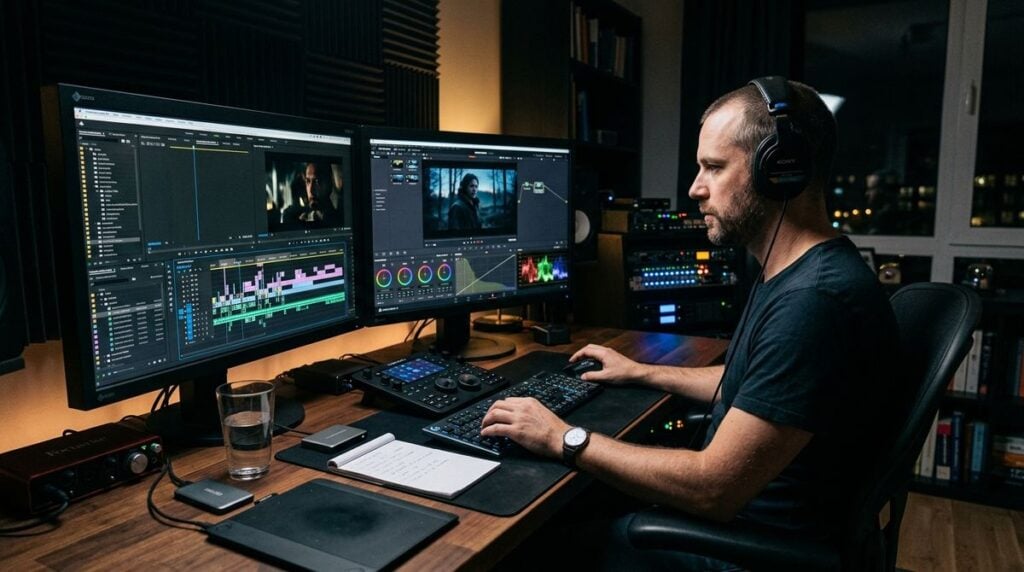
Game audio design has evolved into one of the most demanding creative disciplines in interactive entertainment. Modern titles require complex sonic landscapes that immerse players in fantastical realms, tense sci-fi corridors, or emotionally charged narrative journeys. While digital audio workstations and software synthesizers provide immense power and flexibility, many composers and sound designers find themselves searching for tactile tools that lend a recognizable physical character to their audio assets.
Stepping into the world of physical studio gear can transform a project, yet it also presents significant challenges. Without a clear plan, creative teams risk accumulating complicated equipment that slows down production schedules instead of enhancing creative output. Developing a distinctive studio setup requires understanding how physical hardware interacts with your workflow, how conceptual aesthetics shape audio decisions, and how to invest resources thoughtfully.
Evaluating High-End Analog Gear and Boutique Components
Analog studio equipment occupies a curious space in contemporary media production. Software emulations have grown remarkably accurate, making standard mixing tasks easier and faster across remote teams. Despite this digital convenience, dedicated preamplifiers, analog saturation boxes, and discrete channel strips continue to attract seasoned developers. The tangible resistance of rotary knobs, the natural non-linear response of transformers, and the organic saturation of analog circuits introduce subtle imperfections that breathe life into digital game worlds.
Understanding the true manufacturing reality behind elite studio gear prevents costly missteps. Boutique outboard processors, mastering equalizers, and custom tube compressors often feature hand-soldered point-to-point wiring, custom-wound transformers, and rare matched components that require painstaking calibration. When exploring reasons behind the staggering costs of luxury instruments, audio directors frequently turn to Why So Expensive to understand why high-end craftsmanship, specialty materials, and precision engineering command such substantial valuations across creative industries. Recognizing these manufacturing distinctions allows sound teams to determine whether a bespoke analog processor genuinely solves a sonic challenge or simply represents an unnecessary studio indulgence.
Drawing Artistic Inspiration from Non-Audio Disciplines
Creating compelling sound for entertainment media requires more than technical audio knowledge. If designers only listen to other game soundtracks or technical mixing tutorials, their work risks becoming derivative. The most memorable game audio environments often stem from cross-pollination with visual design, industrial architecture, and fine arts. When you begin treating audio frequencies as visual textures, your approach to sound synthesis and signal processing expands significantly.
Visual culture provides an exceptional foundation for building auditory mood boards. Considering how visual artists play with saturation, contrast, and balance can directly inspire how you layer complex synthesizers or balance ambient room tones in a game scene. For creators seeking unexpected creative sparks outside traditional music channels, browsing platforms like Colourpop offers fresh perspectives on bold shade palettes, design trends, and vibrant visual ideas that can be translated directly into dynamic sound design. Borrowing visual concepts helps you translate high-contrast imagery into stark audio transients or soft pastel gradients into gentle, warm reverb washes.
Establishing these aesthetic metaphors early in a project gives your entire audio team a shared vocabulary. Instead of asking for technical filter adjustments, an audio director can describe an environmental soundscape as matte, neon, or weathered. This shared creative framing guides your hardware choices, helping you select the specific analog filters, tape delays, or guitar pedals that produce those exact textural qualities.
Practical Steps to Audit Your Current Studio Signal Chain
Before spending capital on dedicated outboard equipment, sound teams should systematically assess their existing production pipeline. Adding hardware to an uncalibrated room or a confusing routing setup introduces bottlenecks that hinder creative flow. Taking time to diagnose your actual production needs ensures that every new physical device fills a genuine functional gap in your sound design toolkit.
Following a structured evaluation procedure keeps your studio upgrades focused on real sonic improvements rather than gear trends:
- Identify repetitive sound design tasks that feel sterile or cumbersome when handled entirely inside software.
- Test audio conversion quality and interface latency to verify your digital system handles round-trip hardware inserts smoothly.
- Select one flexible multi-purpose unit, such as a stereo analog saturator, to test how physical workflows fit your daily timeline.
- Document baseline sound assets processed through the hardware to confirm measurable improvements in depth and character.
Completing this audit provides empirical clarity. If a hardware device does not speed up your sound shaping or deliver a tangible sonic identity that software fails to achieve, it should not occupy valuable desk space in a fast-paced game development environment.
Integrating Analog Rigs into Narrative Sound Workflows
Interactive media projects move quickly, which means hardware integration must never compromise project delivery schedules. Sound designers working on tight deadlines cannot afford to spend hours troubleshooting ground loops or manually re-recording every minor dialogue edit. Analog equipment should be integrated as dedicated character processors rather than bottlenecking the final mix bus. This disciplined balance between creative character and rapid turnaround is especially critical when scoring music for narrative online entertainment, where continuous episodic storytelling requires distinct musical themes that can be produced reliably without workflow disruption.
To maintain this balance, establish a permanent patch bay or dedicated audio interface routing for your outboard equipment. When your favorite tape saturation unit or analog filter can be engaged with a single click as an external insert, it becomes an intuitive creative extension rather than a chore. Capture audio passes immediately as printed stems so your game audio middleware implementation remains seamless and reproducible across team members.
Maintaining Focus on Storytelling and Player Experience
It is easy for audio enthusiasts to become absorbed in the technical specifications of circuitry, vacuum tubes, and boutique components. However, players rarely evaluate a game based on the specific brand of equalizer used on a sound effect. Players respond to mood, immersion, emotional pacing, and dynamic responsiveness. Studio equipment is fundamentally a tool to serve the narrative and heighten the player’s connection to the virtual world.
Building a distinctive sonic identity is an ongoing journey of artistic taste and disciplined curation. By pairing careful hardware selection with broad artistic inspiration from the wider world of visual and digital design, you can craft audio environments that feel rich, organic, and memorable. Focus on the tools that ignite your creative intuition, respect your production deadlines, and keep the interactive player experience at the heart of every audio decision.