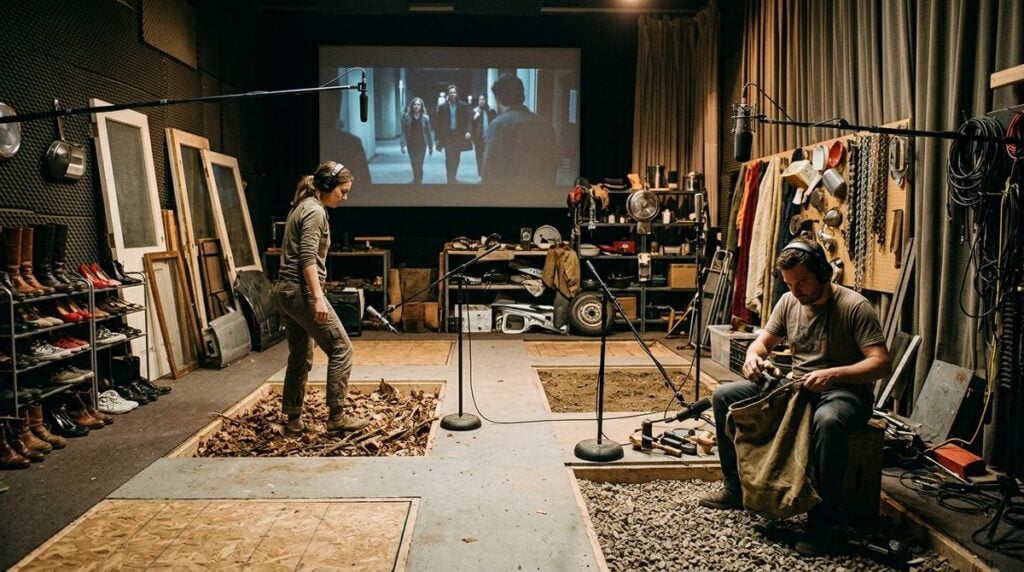
Game audio design, music composition, and sound editing are deeply immersive disciplines. When you are deep into crafting dynamic audio layers, adjusting attenuation curves, or polishing an interactive score, hours can pass unnoticed. The intense focus required to sculpt frequency balances and mix sound assets often keeps creators inside low-light rooms with headphones on for prolonged stretches.
While deep creative absorption is exciting, working long sessions without boundaries can cause auditory fatigue, physical strain, and diminished creativity. Pushing through exhaustion rarely produces memorable sound work. In contrast, building deliberate restorative routines protects your hearing, clears your head, and sustains your enthusiasm across multi-month game production schedules.
Sustaining a long creative career requires treating your personal energy and physical workspace with the same care you bring to your sound projects. By adjusting your listening schedule, simplifying your environment, and taking intentional breaks, you can produce better audio while enjoying a healthier daily life.
Structuring Active Listening Cycles and Mandatory Silence
Auditory fatigue is a subtle obstacle in sound design. After hours of continuous monitoring, your brain compensates by dulling high-frequency perception and misjudging dynamic range. You might find yourself boosting treble or compressing dialogue aggressively, only to realize the next morning that your mix sounds harsh and unpolished.
Protecting your ears begins with establishing structured intervals between focused listening sessions. Divide your day into distinct listening cycles rather than one unbroken block of playback. Spend set periods tracking foley, cutting dialogue, or composing musical themes, followed immediately by periods of complete silence.
During silent interludes, step away from speakers and remove your headphones completely. Avoid filling the silence with podcasts, videos, or loud feeds. Giving your auditory system genuine quiet allows your natural frequency response to reset. When you return to the monitors, your perspective will be renewed, helping you spot mix imbalances quickly.
Embracing Studio Minimalism to Protect Mental Clarity
Creative environments often accumulate clutter quickly. Between spare audio cables, outdated audio interfaces, secondary MIDI controllers, and stacks of peripherals, a production desk can rapidly become crowded. Visual clutter creates subtle mental distraction, drawing attention away from the core sound tasks that matter most.
Curating a streamlined creative space fosters mental clarity and reduces friction at the start of each session. A workspace populated only by essential, dependable equipment encourages faster decision-making and deeper focus. When you simplify your surroundings, you spend less time troubleshooting gear and more time developing compelling audio.
Adopting a mindset centered on living well with fewer, higher-quality possessions helps creators maintain clear boundaries between work and home. You can discover helpful perspectives on simplifying your personal space and prioritizing everyday harmony through FamilyFella.com, which highlights how intentional living benefits both your daily work and your family life. When your physical footprint is calm and orderly, stepping away from the desk at the end of the day becomes an easy, natural transition.
Stepping Away from the Console for Deliberate Nourishment
A common pitfall among game audio professionals is eating meals directly at the workstation. Rushing through food while reviewing a cinematic sequence or adjusting automation lanes keeps your body in a state of ongoing tension. It deprives you of a meaningful mental pause and prevents you from truly resting.
Food should serve as a genuine boundary between work blocks. Leaving your desk for lunch or dinner forces you to stand up, change your posture, and let your eyes rest from screen glare. Stepping out into the neighborhood introduces natural ambient sounds, daylight, and physical movement, all of which refresh your mind.
Treating meal breaks as an enjoyable event rather than a rushed chore improves your daily outlook. Seeking out welcoming dining spots or exploring new eateries gives you something pleasant to anticipate during demanding project milestones. You can browse curated dining destinations and celebrate good food by exploring Resepna Star, where discovering pleasant spots to share a quality meal helps turn regular dinner breaks into a rejuvenating ritual. Returning to your mixing desk after a real meal away from screens restores your stamina for the afternoon stretch.
Balancing High-Intensity Audio with Softer Soundscapes
Game audio frequently demands intense sonic energy. Designing heavy weapon impacts, explosive magical effects, roaring vehicle engines, and sudden horror stingers places substantial demands on your attention. Spending weeks immersed exclusively in high-decibel, high-tension soundscapes can drain your creative enthusiasm and lead to repetitive sound choices.
To maintain a balanced creative palette, interleave intense sound design tasks with lighter, more ambient sonic exploration. If you have spent hours building dense combat sequences, switch gears to design subtle outdoor wind layers, gentle water trickles, or pleasant user interface chimes. Exploring softer textures encourages delicate equalization and subtle reverberation tuning.
This approach mirrors the principles discussed in our guide to crafting warm soundscapes for modern games, where cultivating inviting, gentle audio textures provides both players and developers with a welcome sense of ease. Engaging with peaceful sonic environments exercises different creative muscles, refreshing your ears so you can return to dynamic, high-impact sequences with sharper creative insight.
Practical Daily Habits for Sustainable Studio Stamina
Establishing enduring studio routines does not require overhauling your entire lifestyle overnight. Small, consistent modifications to your daily schedule compound into substantial gains in comfort and focus over a long project.
Integrating a few straightforward habits into your morning and afternoon workflows can safeguard your well-being across demanding milestones:
- Calibrate your monitoring system at a comfortable listening level at the start of each day to prevent gradual volume creep.
- Stand up and stretch your neck, shoulders, and lower back whenever an audio asset renders or a game build loads.
- Designate one evening each week where audio software remains completely closed to allow your creative curiosity to recharge.
- Keep fresh water within arm reach to stay hydrated and naturally prompt regular breaks away from your desk.
These small checkpoints keep you grounded throughout long days. They prevent physical tension from accumulating unnoticed and ensure that your creative attention remains sharp when crucial mix decisions arrive.
Building Long-Term Momentum Through Creative Balance
Longevity in game audio and entertainment sound is rarely defined by the ability to pull exhausting all-night sessions. True craftsmanship reveals itself in consistency, taste, and the stamina to deliver quality sound day after day across an entire production cycle.
When you honor your physical needs for quiet, wholesome meals, and an uncluttered workspace, your relationship with sound design transforms. Audio work shifts from an exhausting endurance test into a sustainable, deeply rewarding craft that enriches your daily life and resonates through every piece of sound you create.