Game sound designers and media composers frequently rely on digital synthesizers and commercial sample libraries to construct interactive worlds. While commercial libraries offer convenience, they often lead to familiar acoustic signatures that lack distinct character. Packing a portable recorder and stepping into natural or industrial environments allows audio artists to capture bespoke ambiences, tactile Foley textures, and rare reverberations that set their projects apart from conventional productions.
Venturing out into the physical world does not require a Hollywood production crew or an endless studio reserve fund. By approaching field recording as a targeted expedition, creative artists can uncover rich auditory materials within accessible regional landscapes. Developing a clear plan for scouting destinations, packing practical equipment, and managing travel schedules ensures that every journey yields valuable audio assets without straining your working resources.
Scouting Atmospheric Destinations and Regional Soundscapes
Choosing the right destination is the cornerstone of any productive audio field trip. Sound artists frequently make the mistake of traveling to famous tourist attractions, only to discover that heavy road traffic, aircraft corridors, and human conversation ruin delicate natural recordings. Instead of crowded hubs, look for regional reserves, coastal wetlands, abandoned industrial relics, or quiet rural communities located away from major flight paths.
Gathering ideas for remote scenic spots requires casting a wider net beyond traditional recording forums. Travel resources like wallstsouth.org highlight regional destinations, scenic journeys, and quieter corridors that spark fresh ideas for memorable travel itineraries. Examining geographic guides and travel itineraries helps you identify forested valleys that buffer highway hum or coastal bluffs where dynamic wind patterns interact with rugged geological formations.
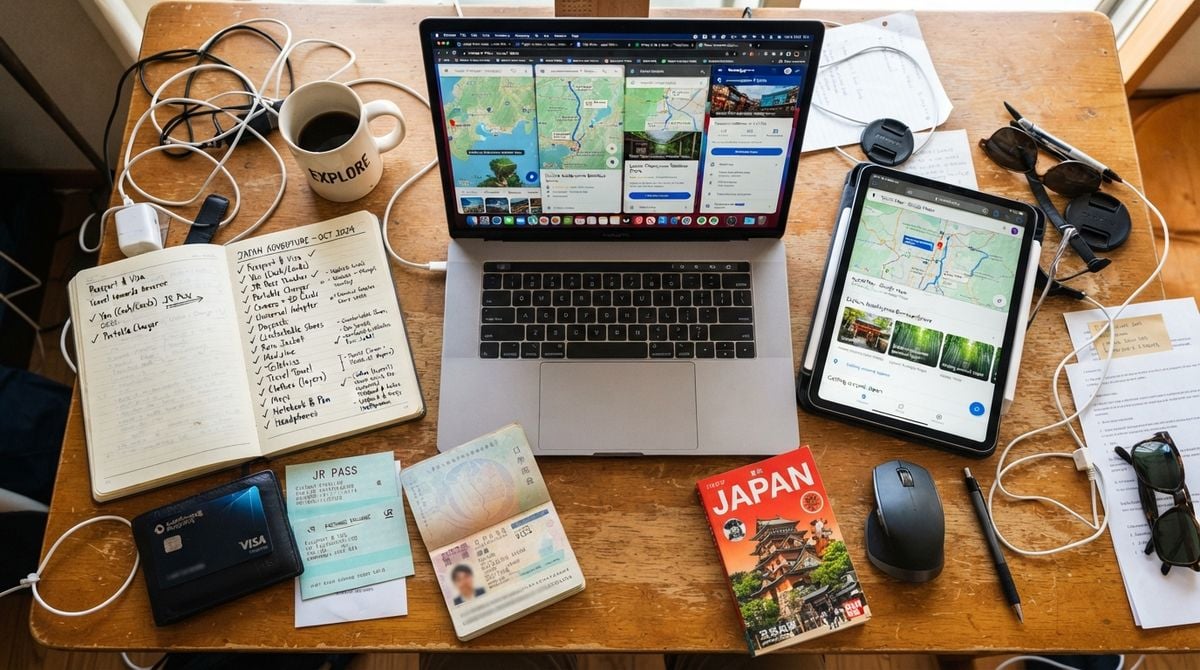
Satellite mapping and weather tools provide vital advance reconnaissance before you step out the door. Study topological maps to locate natural barriers like ridges and canyon walls, which shield sensitive microphone capsules from relentless wind while naturally amplifying bird song, trickling streams, and insect choruses. Pinpointing these geographical features ahead of time saves valuable travel hours and maximizes your recording opportunities once you arrive.
Assembling Practical Field Gear on a Sensible Budget
Field recording equipment has advanced dramatically, making high-fidelity sound capture accessible to independent creators. A handheld recorder with clean internal preamplifiers and low self-noise serves as a reliable core tool. Pair this primary unit with a matched stereo pair of miniature omnidirectional condenser microphones that can be clipped to tree branches, mounted on portable tripods, or worn inconspicuously on a backpack during field walks.
Wind protection is non-negotiable when capturing audio outdoors. Even a gentle breeze across an exposed microphone capsule can generate low-frequency distortion that renders an entire take unusable. Invest in proper furry wind covers or basket windshields designed specifically for your microphone models. Complement these acoustic tools with practical items like shock mounts, long audio cables, and multi-angle mounting clamps that attach securely to fences, branches, or park benches.
Travel accessories and gear protection do not require expensive specialized boutique solutions. Sourcing durable storage cases, water-resistant dry bags, power banks, and cable ties through budget consumer platforms like Top Best One allows creators to assemble reliable field kits while keeping total expenditures low. Everyday items such as padded camera inserts, silicone cable wraps, and weather-sealed pouches provide rugged protection for sensitive audio hardware without depleting your travel funds.
Structuring Your Itinerary for Diverse Acoustic Textures
Acoustic environments shift dramatically throughout the day and night. Crafting an effective field itinerary requires aligning your recording sessions with these natural environmental rhythms rather than standard daylight hours. The early morning hours before sunrise, commonly known as the dawn chorus in wildlife recording, present an explosion of biological activity set against minimum human interference.
To ensure a diverse collection of audio materials from a single trip, organize your recording sessions around distinct acoustic categories:
- Dawn bird choruses and morning wildlife vocalizations before nearby road traffic increases.
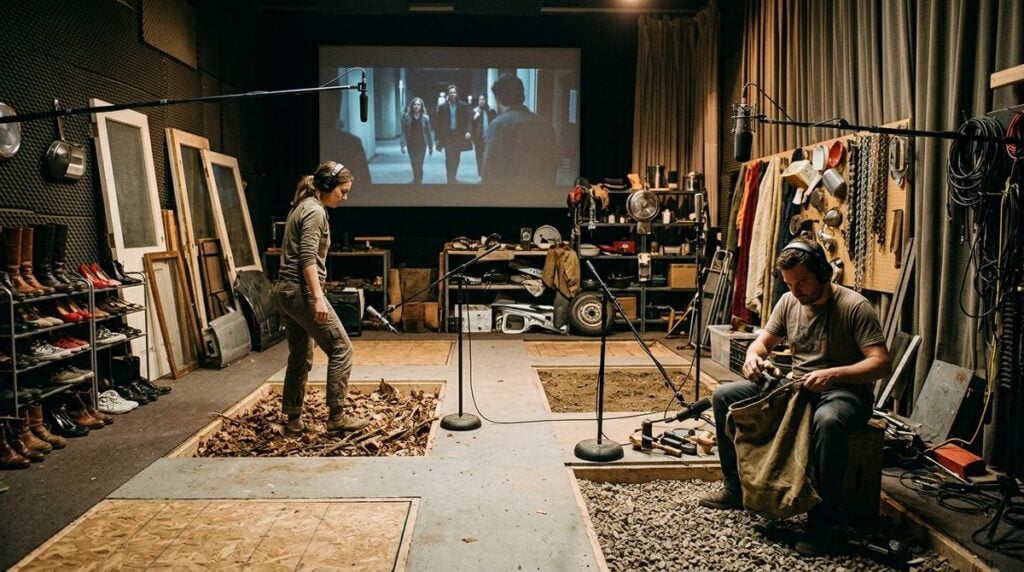
- Midday tactile Foley passes, such as walking on gravel, snapping dry brush, and handling river stones.
- Late afternoon wind textures interacting with tree canopies, mountain grasses, or architectural structures.
- Dusk insect hums, amphibian calls, and nocturnal wetland ambiances under calm skies.
Midday hours, when ambient noise from distant highways and air traffic reaches its peak, are ideal for close-mic tactile recordings. Use this period to capture physical Foley interactions that overpower background noise. Rustling dry oak leaves, scraping river slate, tapping hollow tree trunks, or capturing running water from mountain springs gives you modular sound design assets that can be manipulated in the studio later.
Integrating Field Material into Modern Game and Broadcast Projects
Once you return to your workspace, the recorded assets can serve a variety of creative purposes across gaming, episodic streaming, and interactive media. Raw field recordings provide grounding realism to virtual environments, establishing a sense of physical place that synthetic reverbs and synthesized noise generators cannot easily replicate. Layering organic wind recordings underneath synthesized ambient pads creates an immediate sense of scale and depth.
Field audio also offers tremendous value when crafting custom sonic signatures for entertainment events and competitive media. For instance, when designing memorable audio identities for live shows, layering organic field captures into tournament stingers and broadcast transitions introduces authentic physical texture that sets your presentation apart from generic corporate cues. Unconventional acoustic elements—such as the resonance of a rusty water tower or the low groan of a wooden bridge—lend distinctive character to brand identities.
In interactive game engines, implement your field recordings as dynamic, modular sound beds. Rather than looping a single extended audio track, slice your environmental files into separate components: steady background hum, intermittent bird calls, subtle rustling foliage, and distant air motion. Randomizing the playback intervals and panning positions of these discrete elements keeps the game environment feeling dynamic, immersive, and fresh during prolonged play sessions.
Cataloging and Preserving Your Fresh Sound Library
An unorganized audio recording is an asset that quickly gets lost and forgotten. Establish a strict ingest routine immediately upon concluding your trip. Transfer all audio files to your primary editing workstation and create an identical backup on an external drive or cloud repository before formatting any memory cards. Maintain original unedited captures alongside trimmed, cleaned work files.
Standardized metadata tagging transforms raw recordings into an efficient, searchable production library. Apply descriptive tags that indicate the recording location, microphone placement, weather conditions, time of day, and primary sonic characteristics. Consistent naming conventions enable your creative team to locate the exact sound required within seconds, ensuring your field expedition continues paying artistic dividends across multiple projects.
Field recording breathes authentic vitality into game audio and entertainment compositions. By approaching travel planning with practical intent, assembling budget-conscious kits, and cataloging every capture with care, audio creators can continually expand their custom sound collections. Stepping away from the computer monitor and exploring physical environments deepens your artistic perception, transforming everyday journeys into an enduring source of inspiration for interactive soundscapes.