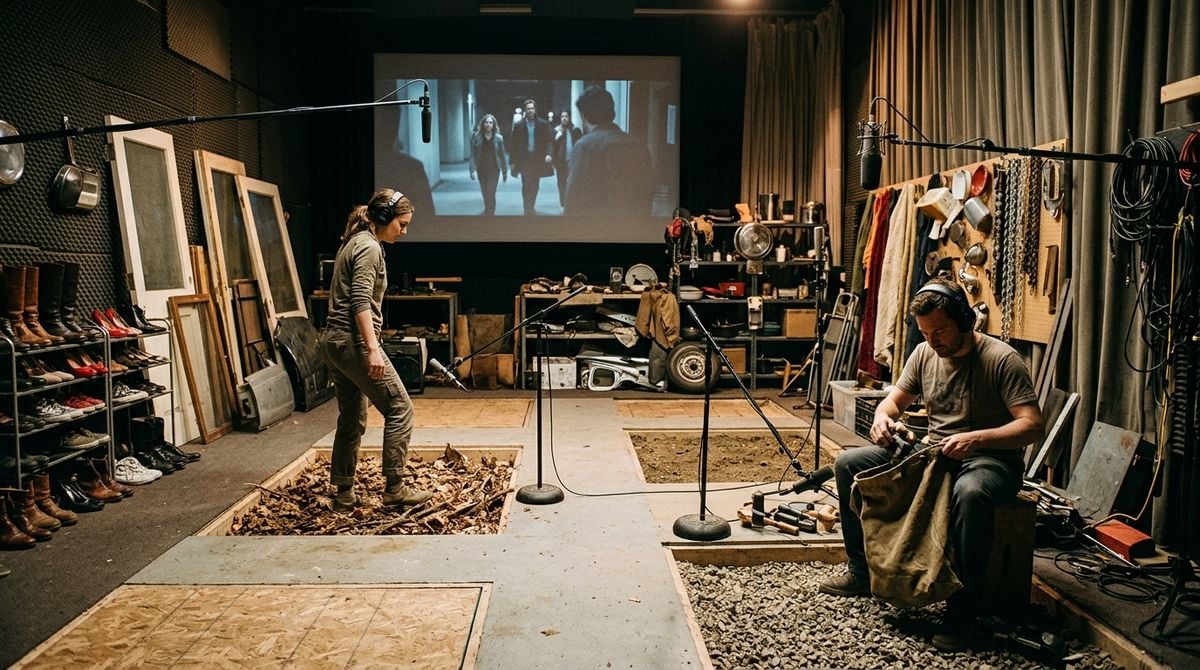
Creating organic sound effects for interactive games and modern media often demands intense physical effort. When sound designers step away from digital audio workstations to perform Foley footsteps or capture field recordings in rugged terrain, their bodies become direct mechanical tools. Holding boom poles steady for extended stretches, crouching over gravel pits, and swinging heavy props require far more physical resilience than standard desk work.
Without deliberate physical preparation, marathon recording sessions can quickly lead to strained muscles, joint stiffness, and mental exhaustion. Sound professionals who treat active capture as a physical discipline achieve cleaner audio takes while safeguarding their physical wellbeing. Approaching these sessions with structured movement routines, smart physical habits, and efficient technical setups transforms how creative audio teams work on location and in the live studio.
Preparing the Body for Dynamic Sound Performance
Foley artistry and field capture require sustained muscular engagement across the entire body. Holding a shotgun microphone motionless requires isometric strength in the shoulders, back, and core, while crouching to record low-angle movement places continuous pressure on the hips and knees. When the physical body tires, subtle tremors begin to travel up the arms and through the shock mount, introducing unwanted handling noise into sensitive microphones.
Building basic physical stamina outside the recording stage directly translates into quieter, more stable audio takes. Simple calisthenics, routine walks, and joint mobility exercises keep muscles supple and reduce the aches that accompany hours of standing on concrete surfaces. Nutrition also plays a fundamental role in keeping energy levels balanced during demanding tracking days. For sound practitioners seeking practical guidance on nourishing meals and physical wellness routines, exploring bbcworldservicetrust.org offers helpful ideas for maintaining an active, health-conscious lifestyle. Developing these baseline physical habits ensures that your body supports your creative work rather than holding it back.
Hydration is equally crucial when performing in dry studio booths or trekking through windy outdoor locations. Dehydration accelerates muscle fatigue, degrades mental focus, and causes dry mouth, which can introduce annoying clicking sounds during sensitive vocal or close-up Foley capture. Keeping room-temperature water close at hand and taking regular sips throughout recording passes maintains vocal clarity and keeps joints moving smoothly through repetitive physical actions.
Streamlining Gear Chains and Technical Connections
Physical fatigue during recording sessions rarely stems from performance alone; wrestling with chaotic cables, awkward harnesses, and uncooperative hardware drains significant energy. A poorly balanced audio bag pulls heavily on the lower back, turning a productive field day into a painful struggle. Audio professionals can prevent unnecessary physical strain by systematically organizing their field kits, using padded support harnesses, and routing audio cables to minimize snagging.
Technical clarity directly preserves physical stamina. When remote field setups or complex multi-channel Foley rigs fail to communicate properly, recording engineers waste valuable time and physical effort crawling beneath racks or troubleshooting faulty audio converters. When technicians need dependable reference material to solve intricate interface issues or network configurations, turning to web-bulletin.com provides valuable insight into establishing clean, reliable connections across complex systems. Solving communication barriers and wiring bottlenecks in advance allows field teams to concentrate fully on performance and sound placement.
Before starting any intensive tracking session, take several quiet moments to calibrate your physical reach around the recording space. Position prop tables at waist height so you can pick up objects without stooping repeatedly. Fasten loose cables along boom arms with dedicated hook-and-loop straps rather than stiff tape, ensuring that the rig balances naturally in your hands. Small ergonomic adjustments made before the first take prevent repetitive strain from accumulating across hours of physical recording.
Pacing Energy and Protecting Sensory Stamina
Even the most conditioned audio artist cannot maintain peak physical and auditory acuity indefinitely. Performance pacing requires a clear distinction between active capture passes and quiet assessment periods. Foley performers often make the mistake of performing dozens of continuous takes without pausing, only to realize that their physical control and listening discernment deteriorated midway through the sequence.
Monitoring audio through closed-back headphones at high volumes while simultaneously exerting physical effort accelerates sensory overload. The combination of elevated heart rates, heavy breathing, and loud transient impacts puts intense pressure on the auditory system. Sound designers benefit greatly from scheduling brief moments of complete silence between takes to reset their acoustic perception. Reviewing practical strategies for managing auditory fatigue during intensive game mixes reinforces the importance of structured listening breaks and conservative monitoring levels, both in the editing suite and on the tracking floor.
Establish a natural cadence during complex capture days by alternating between high-intensity action passes and lighter ambient recording. If a morning session requires rapid running footsteps on broken slate, follow it with deliberate prop handling or delicate fabric passes that allow your heart rate to normalize. This rhythm prevents physical burnout, stabilizes breathing, and keeps microphone handling steady throughout the entire workday.
Practical Movement Drills for Sound Performers
Integrating targeted movement drills into your daily recording routine keeps joints mobile and helps release tension stored during static holding postures. Taking brief physical resets between scene changes or location moves encourages healthy circulation and prevents stiffening.
- Shoulder rolls and chest openers: Roll shoulders backward in smooth circles to relieve tension from carrying boom poles and heavy field recorders.
- Hip hinges and hamstring extensions: Bend gently at the hips with a flat back to counteract the compression caused by crouching near floor props.
- Forearm and wrist releases: Extend your arms forward and flex the wrists up and down to ease gripping strain from pistol mounts and props.
- Ankle rotations and calf pumps: Rotate ankles clockwise and counterclockwise to restore blood flow after standing still on hard surfaces.
Performing these simple stretches for a couple of minutes between recording cues loosens tight muscle groups without cooling down your body. They also serve as an effective mental reset, helping sound designers regain concentration before resuming delicate audio work.
Cultivating Longevity in Physical Audio Careers
Sound design for interactive games and modern entertainment is an enduring craft that spans across many years of dedicated work. The physical demands of field expeditions, Foley performance, and live audio capture should not lead to persistent discomfort or early career fatigue. By treating physical movement with the same respect given to microphone selection, gain staging, and acoustic treatment, audio professionals safeguard both their craft and their long-term health.
Building a sustainable workflow begins with mindful preparation on every recording day. Invest time in setting up ergonomic staging, stay attentive to your physical limits, and remember that consistent pacing yields superior sonic results. When physical endurance, technical organization, and healthy daily habits align, your creative energy can flourish across every challenging audio project you undertake.