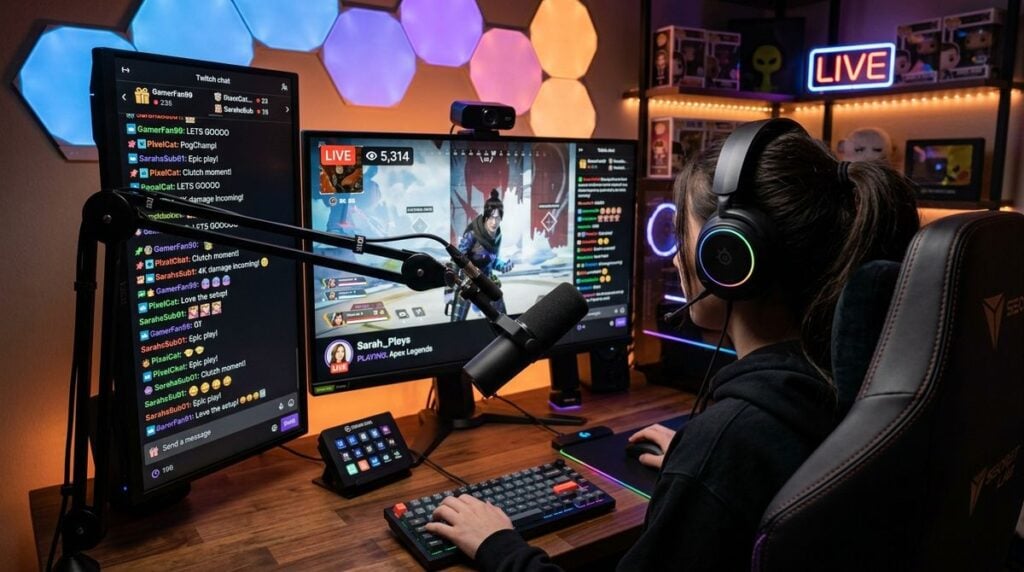
Creating evocative audio for modern video games requires dedication to technical craft. Sound designers and composers routinely spend long days inside studio spaces, calibrating synthesis parameters, organizing sound libraries, and configuring interactive middleware. While deep technical competence is vital, intense immersion in software tools can gradually narrow an artist’s creative frame of reference. When daily routines revolve strictly around sample rates, digital signal processors, and gain staging, sound design risks becoming repetitive and detached from the broader cultural stories that entertainment seeks to tell.
Elevating game audio beyond functional feedback demands a deliberate expansion of perspective. Sound is neither created in a vacuum nor experienced by players who evaluate acoustic parameters. Players connect with interactive audio on emotional, cultural, and psychological levels. To craft soundscapes that truly resonate across diverse gaming genres, audio professionals need to cultivate two foundational habits: staying informed about cultural movements across the wider world, and committing to continuous personal growth as adaptable, thoughtful creators.
Breaking Free From the Technical Audio Bubble
The fast-paced demands of game development make it tempting to spend all your spare hours researching gear and testing plugin updates. Many practitioners read only specialized mixing manuals, attend only audio conferences, and discuss only preamps with their peers. This insular focus creates an echo chamber where creative decisions mirror what everyone else is doing. When teams study the exact same sound libraries and follow identical tutorials, game worlds begin to sound remarkably homogeneous.
Developing genuine creative distinction requires looking outward toward the wider currents of entertainment, societal habits, and international trends. Interactive media constantly reflects shifting human interests, emerging lifestyles, and changing narrative appetites. Keeping track of international narratives, cultural shifts, and cross-medium entertainment headlines through platforms like cluebees.com offers game composers and sound designers a direct window into the evolving tastes of global audiences. By recognizing what captures public interest in global storytelling, sound creators can anticipate emotional tones and thematic styles that feel relevant to modern players.
When you understand the larger conversations taking place across global entertainment, your audio decisions gain narrative depth. A creature vocalization ceases to be merely a pitch-shifted animal roar; it becomes an intentional commentary on environmental vulnerability or ancient folklore. A menu sound transforms from a sterile transient click into an inviting tactile texture that aligns with contemporary design sensibilities. Broad awareness enriches your creative vocabulary, providing fresh concepts before you open a digital audio workstation.
Cultivating Intentional Habits for Personal Growth
Technical skill can secure initial contracts, but personal maturity, self-regulation, and clear communication sustain a career over time. Audio production on interactive projects is rarely an individual pursuit. Sound teams collaborate with game directors, narrative writers, gameplay programmers, and visual artists, all of whom communicate using different vocabularies under strict deadlines. Developing empathy, emotional balance, and effective listening skills is just as critical as mastering equalization or dynamic control.
Personal development is a continuous practice that requires intentional effort outside the sound studio. Engaging with resources focused on mindful living and self-improvement such as Globenews12.com helps practitioners nurture the patience, focus, and adaptability required to navigate demanding production environments. By learning how to manage personal stress, build constructive habits, and foster positive communication, sound designers become reliable collaborators who elevate the morale and creative focus of their development team.
Self-improvement also strengthens your artistic resilience when handling creative criticism. Games frequently undergo rapid revisions, feature cuts, and artistic pivots. An audio artist who ties their personal identity entirely to their initial asset submissions may feel discouraged when a director requests a complete rewrite. Those who actively cultivate self-awareness recognize that critical feedback is simply part of collaborative refinement, allowing them to iterate with enthusiasm rather than frustration.
Core Practices for Expanding Your Creative Horizon
Expanding your perspective does not require abandoning your audio workstation, but it does require setting aside dedicated time for non-technical exploration. Sound artists benefit immensely from structured practices that pull their attention toward unfamiliar disciplines, sparking novel associations that enrich their sonic work.
- Read literature outside your comfort zone, exploring historical accounts, architectural theory, and environmental science to discover fresh metaphors for sonic spaces.
- Attend live performances across varied genres, such as traditional acoustic chamber recitals or improvisational theater, observing how performers control tension and release.
- Take regular observational walks without audio recording gear, paying deliberate attention to how sound behaves in open landscapes versus dense urban canyons.
- Dedicate time each week to reflective journaling, assessing your communication with collaborators and your personal emotional relationship with your creative work.
These simple activities gently shift your brain out of analytical troubleshooting and into sensory observation. When you return to your audio monitors, you bring along new ideas about pacing, dynamic contrast, and thematic cohesion that rarely emerge from adjusting plugin dials in isolation.
Building Resilient Workflows Across Long Productions
Game production timelines often stretch across several seasons, requiring audio designers to maintain enthusiasm and focus over prolonged periods. If your creative intake is limited exclusively to the game you are building, creative stagnation can settle in quickly. Maintaining high creative energy over months of intense asset creation requires establishing healthy studio rhythms and deliberate boundaries.
As explored in our earlier guide on sustaining creative longevity for interactive sound artists, protecting your artistic energy requires structured boundaries between creative exploration and production delivery. By separating exploratory research periods from rigid asset implementation sprints, you give your mind the necessary space to digest new ideas. This separation prevents mental fatigue and ensures that your sonic palette remains fresh, adaptable, and emotionally vibrant throughout every production phase.
Structuring your routine also means setting aside dedicated hours for quiet reflection away from audio hardware. Stepping away from production tasks gives your subconscious mind the opportunity to process complex narrative challenges. Often, the solution to an elusive sound design puzzle presents itself when you are reading an insightful book, walking through a park, or enjoying a calm conversation with peers.
Translating Broader Knowledge Into Game Audio Systems
The ultimate value of broadening your cultural literacy and nurturing personal growth lies in how seamlessly it translates into interactive audio systems. In video games, audio must react dynamically to player choices, narrative tension, and environmental states. Sound artists who understand human psychology, global storytelling patterns, and cross-disciplinary arts can design interactive systems that feel emotionally intelligent and responsive.
Consider the design of dynamic ambient soundscapes. A purely technical approach might focus on randomizing bird calls or applying reverb convolution to a static wind loop. An audio designer with a broad perspective, however, considers how light, architecture, narrative history, and human emotions intersect in that virtual space. They craft subtle acoustic cues that communicate safety, solitude, or hidden danger, inviting players to form an intuitive connection with the game world.
Great sound design is fundamentally an act of clear, empathetic communication between the artist and the audience. While mastering technical tools is indispensable, true creative resonance emerges when you broaden your horizons beyond the studio walls. By staying curious about global cultural shifts and investing consistently in your personal self-improvement, you build a sustainable foundation for meaningful artistic expression. When you nurture your mind as well as your ears, every soundscape you craft carries a lasting sense of purpose.