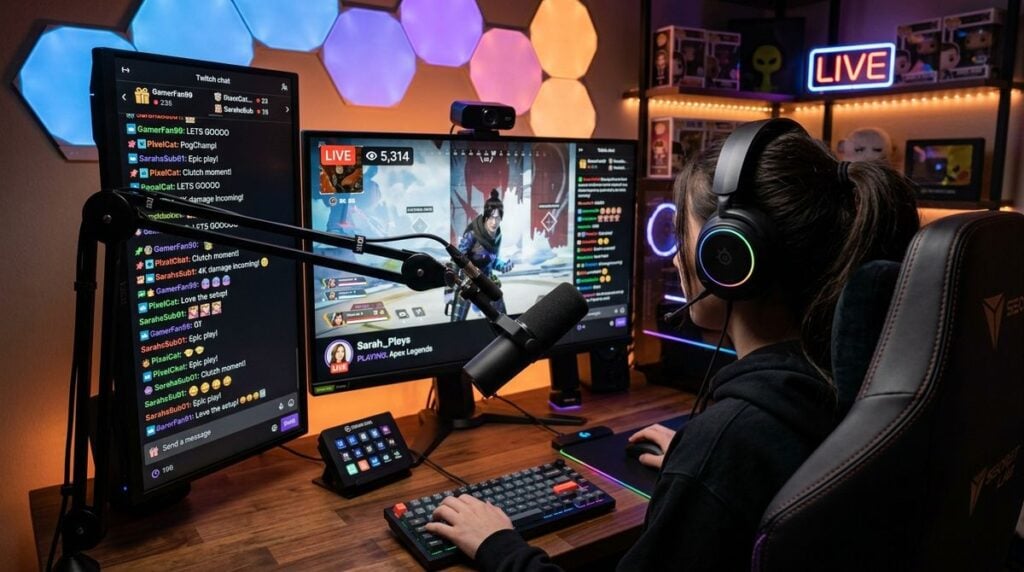
Working as an independent sound designer, composer, or audio implementer offers immense creative freedom. You might score an indie game for a studio based in another continent in the morning, craft custom Foley effects for an animation studio in the afternoon, and clean dialogue tracks for a streaming serial before calling it a day. The digital entertainment landscape connects creators across borders like never before, giving audio professionals unprecedented access to diverse media projects.
However, creative independence also introduces complex financial dynamics that rarely get discussed in music production tutorials. Project milestones can stretch across several months, contracts often arrive in multiple currencies, and the feast-or-famine income cycle can introduce unnecessary stress into an artist’s life. Learning how to manage your cash flow, handle international transfers, and organize your business operations is just as critical to sustaining your career as mastering equalization or sound synthesis.
Navigating the Realities of Project-Based Audio Work
The traditional entertainment pipeline relies heavily on milestone-based compensation. An interactive audio contract might split payments between initial pre-production, vertical slice delivery, alpha testing, and gold master release. When an indie title experiences delays or shifts scope, your scheduled invoice dates naturally slide backward alongside production calendars. Without a structured financial buffer, these standard industry shifts can disrupt your personal life and creative focus.
Audio creators benefit greatly from establishing a strict separation between business operational accounts and personal living expenses. When client payments arrive, maintaining separate accounts prevents the common illusion of sudden wealth after a major milestone deposit. Transferring a consistent baseline amount to your personal checking account creates a predictable rhythm regardless of when contracts finalize. Tracking recurring expenses such as software subscriptions, cloud storage, web hosting, and gear maintenance allows you to calculate your true monthly overhead with clarity.
Building a reliable buffer requires consistent monitoring of daily outflows and mindful spending habits. Many working creatives consult personal finance platforms like stock360dm.com to discover practical methods for managing everyday household budgets alongside fluctuating variable income. When you treat your creative career as a durable business enterprise, sudden contract delays become minor administrative adjustments rather than financial emergencies.
Managing Multi-Currency Contracts and Cross-Border Transfers
The global nature of contemporary game development means that your client roster may span several time zones and national economies. Scoring a visual novel for an overseas team or producing voiceover assets for an international studio frequently means receiving contracts denominated in foreign currencies. While expanding your client footprint across borders is exciting, cross-border payments introduce transaction fees, intermediary bank deductions, and foreign exchange fluctuations that directly affect your net earnings.
When you accept an agreement denominated in an unfamiliar currency, exchange rate shifts between contract signing and milestone completion can alter your expected revenue. Additionally, standard bank wire transfers often feature wide spreads and hidden conversion markups that quietly reduce project margins. Setting up dedicated multi-currency accounts through regulated payment platforms allows you to receive payments in local currencies, hold balances temporarily, and convert funds when favorable conditions emerge rather than accepting automatic conversion at disadvantageous rates.
Understanding how global currency movements and credit management work can give you greater confidence when negotiating overseas contract terms. Exploring educational resources like credit-cafe can help independent professionals gain clearer insights into foreign exchange fundamentals, currency valuation concepts, and healthy credit habits. Becoming comfortable with international financial mechanisms ensures that your hard work translates into reliable earnings, no matter where your clients reside.
Separating Equipment Investments from Baseline Living Expenses
Audio professionals constantly face the temptation to upgrade their gear. Hardware synthesizers, boutique microphones, monitor speakers, and extensive orchestral sample libraries promise to elevate production values, but impulsive equipment purchases can quickly drain operating capital. Successful sound artists approach gear acquisition strategically by linking hardware investments directly to signed client agreements or proven production bottlenecks.
Rather than buying tools speculatively, create a dedicated capital expenditure reserve for your creative workspace. Setting aside a modest portion of every completed invoice into an equipment fund ensures that you have money ready when vital equipment requires replacement or when a specific contract demands a specialized microphone or plugin bundle. This disciplined approach prevents gear purchases from competing with essential personal obligations and eliminates the panic of sudden equipment failures during critical project crunch periods.
If you are planning major structural improvements or outfitting a dedicated workspace, careful cost forecasting becomes even more critical. Our comprehensive guide to financing a dedicated home studio provides structured advice on pacing capital expenditures, balancing acoustic treatments, and avoiding debt when setting up an acoustic recording environment. Treating your physical workspace as an incremental long-term asset keeps your studio solvent and productive.
Building a Sustainable Workflow for Administrative Days
Managing finances as an independent artist should not consume every working morning. When administrative tasks remain unstructured, they generate chronic low-level anxiety that distracts from compositional focus and creative sound design. Setting aside a single dedicated administrative block each week or fortnight establishes order and removes the mental burden of unorganized paperwork.
During this dedicated administrative session, you can address routine operational duties that keep your business running smoothly:
- Review all outstanding project milestones and follow up on overdue client invoices.
- Log all recent business expenses, software renewal charges, and equipment receipts into your accounting ledger.
- Reconcile international payment platform balances and initiate scheduled currency conversions to your main operating account.
- Update project delivery timelines and verify that upcoming contractual payment triggers remain aligned with development schedules.
Having a clear administrative routine prevents minor accounting chores from piling up into an overwhelming backlog. When your contracts, invoices, and expense sheets are organized systematically, preparing year-end tax documentation becomes straightforward rather than intimidating. Furthermore, clear records provide accurate visibility into which client genres and project types yield the most sustainable returns for your studio hours.
Cultivating Resilient Habits for Career Longevity
Artistic longevity in games, music, and interactive entertainment requires more than raw talent and technical virtuosity. The history of creative media is filled with talented sound creators who experienced premature burnout simply because administrative disorganization and unpredictable income created continuous friction in their lives. Financial stability provides the mental space needed to take creative risks, experiment with sound palettes, and decline ill-fitting projects.
By taking proactive ownership of your invoicing schedules, cross-border payment paths, and operational budgets, you build a resilient foundation for your craft. A disciplined financial structure does not constrain your artistic freedom; it actively protects it. With reliable business systems running quietly in the background, you can focus your energy where it matters most: delivering compelling, memorable soundscapes that bring interactive worlds to life.