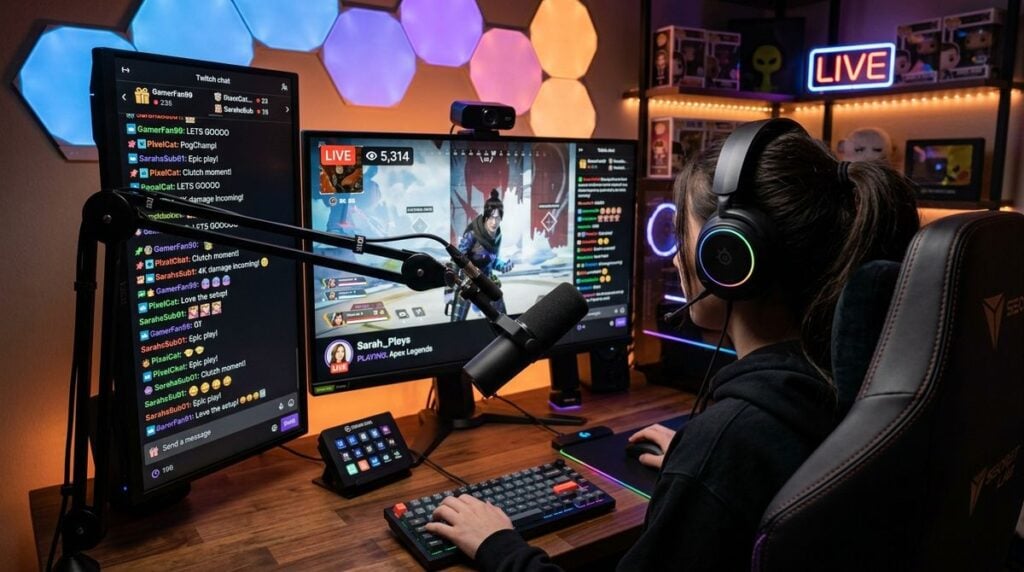
Live gaming broadcasts, tournament casting, and continuous commentary demand real endurance. Spending consecutive hours reacting to fast gameplay while projecting enthusiasm places heavy pressure on the vocal cords and body. Many entertainers treat speaking as an automatic function until hoarseness, throat tension, or fatigue disrupts a broadcast schedule. Cultivating intentional habits around voice care and personal wellness helps commentators preserve vocal clarity, sustain physical stamina, and deliver engaging audio throughout every broadcast.
Unlike studio voice acting with frequent breaks and retakes, live gaming commentary requires continuous real-time delivery. Broadcasters routinely shout over loud in-game audio and maintain rapid play-by-play descriptions. Without proper physical support, vocal cords experience rapid wear and tear. Treating the voice as an instrument and establishing healthy studio routines ensures that creators perform reliably without compromising their vocal range.
Establishing an Effective Daily Vocal Warm-Up Routine
Jumping straight onto a live broadcast without warming up invites vocal strain. Just as athletes stretch before competition, broadcasters must awaken their vocal folds, facial muscles, and breath support before going live. A brief warm-up increases blood circulation to the larynx, relieves jaw tension, and prepares the voice for dynamic volume shifts during intense gameplay.
An effective warm-up requires only a short investment of time. Broadcasters can begin with gentle humming on comfortable pitches, keeping the throat relaxed while focusing resonance around the lips. Adding lip trills balances air pressure without straining the vocal cords. Articulation exercises awaken the lips and palate, making rapid commentary clearer. Diaphragmatic breathing throughout these drills grounds the voice, drawing power from the abdomen rather than the throat.
Ergonomics and Physical Alignment in the Broadcast Chair
Vocal production is a physical process directly influenced by posture and seating mechanics. Slouching forward toward a computer monitor compresses the diaphragm, restricts lung capacity, and forces the neck forward. This misalignment introduces unnecessary strain across the neck and shoulders, causing the throat to tighten and thinning the natural tone of the voice. Setting the broadcast chair, displays, and microphone at comfortable heights allows the spine to remain upright and open.
When spending extensive hours seated behind a workstation, maintaining awareness of full-body alignment and overall vitality is essential. Finding actionable guidance on physical conditioning and daily healthy habits through rubitsky.com can help content creators maintain sustainable posture, balanced energy, and long-term physical comfort during intense production schedules. Taking regular short breaks to stand, stretch the chest muscles, and roll the shoulders backward releases upper-body tension before it travels into the vocal tract.
Hydration plays an equally vital role in vocal health. Vocal folds vibrate rapidly during speech, requiring lubrication to prevent friction and irritation. Sipping room-temperature water throughout the day keeps vocal tissue supple. While energy drinks and heavy coffee dehydrate the throat and increase physical tension, steady water intake maintains clean, effortless articulation.
Structuring Broadcast Dialogue Without Rigid Scripting
Mental fatigue frequently compounds vocal fatigue during live entertainment. When commentators attempt to memorize dense scripts or worry about exact phrasing while monitoring rapid game action, cognitive strain increases. This tension translates directly into shallow breathing and a constricted throat. Organizing talking points into clear, modular bullet points gives commentators reliable structure while allowing natural conversational pacing to flourish.
Approaching live commentary with flexible bullet points mirrors the best practices used in long-form studio conversations. As explored in our guide on how to plan a podcast interview without over-scripting it, building a flexible structure allows speakers to sound natural while conserving vocal and mental energy. Preparing high-level themes, key player narratives, and strategic talking points frees the broadcaster to react organically to game events rather than constantly searching for predetermined lines.
Pacing is equally valuable for vocal preservation. Novice commentators often speak relentlessly, fearing that brief silence will alienate listeners. In reality, strategic pauses let audiences absorb the on-screen action while giving the speaker a moment for a relaxed breath. Trusting ambient game audio and purposeful pauses keeps broadcasts dynamic while protecting against vocal burnout.
Staying Informed on Industry Developments and Game Updates
A broadcaster who feels unprepared often experiences performance anxiety, which leads to physical tightening and rapid, shallow breathing. When commentators know their subject matter thoroughly, their delivery sounds authoritative and relaxed. Keeping up with recent patch notes, tournament brackets, player trades, and broader entertainment news provides an abundant reservoir of context to draw upon during slower broadcast segments.
Commentary flows much easier when you do not have to scramble for context between tournament rounds or match queues. Checking reputable insight hubs such as tvn24 provides a fast way to gather broad informative context, news trends, and fresh talking points before going live. Integrating diverse knowledge into pre-show notes allows hosts to bridge downtime smoothly, keeping viewers engaged without straining to invent filler commentary under pressure.
Maintaining an organized digital notebook keeps key facts accessible during broadcasts. Grouping details by team rosters, patch changes, or character abilities enables quick reference at a glance. When relevant context is structured clearly, broadcasters speak calmly and deliberately, avoiding the frantic delivery caused by unpreparedness.
Post-Broadcast Recovery and Vocal Maintenance
Vocal care does not conclude when the stream ends. The hours following an intensive broadcast represent the prime window for vocal recovery. Just as a warm-up prepares the voice for action, a brief cool-down helps release lingering muscular constriction in the larynx. Ending a broadcast by shouting goodbyes and immediately engaging in loud conversations can prolong irritation and delay recovery.
Implementing a brief post-broadcast checklist helps reset the vocal cords and prepares the voice for the next working day:
- Perform gentle descending pitch glides on an open vowel to loosen the vocal mechanism.
- Inhale steam from warm water or use a personal steam inhaler to rehydrate vocal folds directly.
- Observe a period of quiet vocal rest immediately following long commentary sessions.
- Drink warm caffeine-free herbal tea with a small touch of honey to soothe throat tissues.
Studio environment also influences vocal durability. Dry air irritates the respiratory tract, causing the throat to dry out quickly during long discussions. Running a quiet humidifier maintains comfortable moisture levels, particularly in air-conditioned spaces. Keeping the workspace clean and well-ventilated further supports respiratory comfort.
Vocal resilience is a foundational skill for live broadcast professionals. Treating the voice with the same respect given to high-end audio hardware protects audio clarity and creative confidence. By maintaining physical wellness, commentators can focus on dynamic storytelling, sharp commentary, and exceptional entertainment for their audiences.