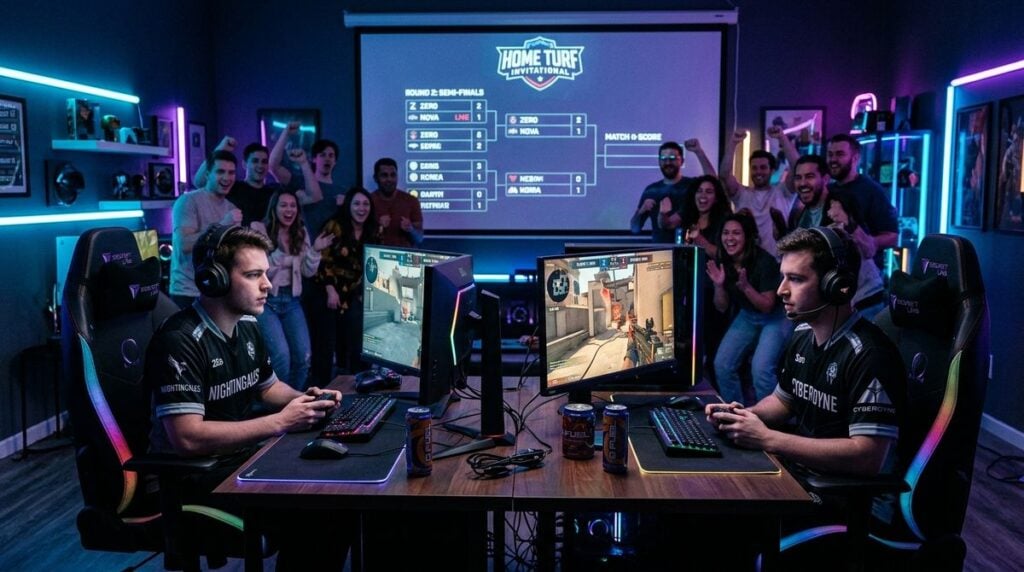
Winter break is often when players return to competitive games with fresh energy. Ranked queues fill up, tournaments and friendly leagues pick up pace, and many people try to climb back to the level they reached earlier in the year. Music can be part of that comeback, but in competitive play it carries real risks. A track that feels motivating may also hide important sound cues or make your decisions less precise. This article covers the most common mistakes and simple ways to avoid them.
Mistake One: Letting Music Cover Important Sound Cues
In competitive games, footsteps, reloads, ability sounds, and alerts can decide a round. If your music is loud or full of sharp percussion, those cues can blend in and become harder to hear. Many players do not notice this gradually happening, because the music feels pleasant while the game is still going well.
The fix is simple. Lower the music volume until you can clearly hear the game’s directional sounds, and test that balance in a practice match before ranked play. Some players prefer to turn music off entirely during serious matches and use it only between games.
Mistake Two: Choosing Tracks That Raise Tension
Upbeat music can feel energizing, but it can also raise heart rate and make small mistakes more likely. Fast drum patterns and intense builds may push you to rush. In long winter sessions, this effect can accumulate, especially if you play late in the evening when you are already tired.
A calmer approach often works better. Steady, mid-tempo music tends to keep attention relaxed while still providing comfort. If you notice that your grip tightens or your decisions speed up when a track plays, switch to something gentler for competitive matches.
Mistake Three: Ignoring Voice Chat and Team Communication
Teammates need to hear callouts and instructions. Music can interfere with that, especially if it leaks through a microphone or fills the room where others are talking. Players who forget to mute their music often frustrate their team without realizing it.
Set a clear rule for yourself. Keep music muted during team calls, or use a separate audio channel if your system allows it. Ask your team how they feel about background music during matches, because some groups enjoy it while others find it distracting.
Mistake Four: Using the Same Playlist Forever
Repetition can make music stop feeling supportive. When a short playlist loops during every ranked session, you may stop noticing it, and it may stop helping you settle. Worse, the familiar tracks can become associated with frustrating losses, which affects your mood before the next match even begins.
Refresh your list every few weeks with a small number of new tracks. Keep a core set you trust, and rotate in alternatives so the music stays fresh without becoming overwhelming. Readers may also want to visit fashionlifeslylenews.com. You can also visit Fashion Sky for more reading. For a related read on this site, see Year-End Gaming Review Soundtrack: Pairing Music With Your.
A simple refresh routine works well:
1. Remove any track you associate with a frustrating match.
2. Add a small number of calm options each month.
3. Test the new mix in a casual game before using it in ranked play.
4. Keep your favorite core set for the toughest sessions.
Mistake Five: Forgetting Physical Comfort
Long competitive sessions require posture, breaks, and attention to temperature. Cold rooms can make hands stiff and focus shallow. Music cannot fix those problems, and relying on it to push through fatigue can backfire. Take short breaks, stretch your hands and shoulders, and keep water nearby.
If you feel strain, numbness, or persistent discomfort, speak with a qualified professional such as a doctor or physiotherapist. General advice cannot replace an individual assessment.
Practice sessions are a good place to test your audio habits. Try a short custom game with your playlist on, then play one without it. Compare how quickly you react to cues and how confident you feel when making quick decisions. Your own results will tell you more than general advice can, and you can adjust the setup before ranked matches begin.
It also helps to set a simple rule about breaks. After a run of tough matches, step away for a few minutes and turn the music off. Returning with a clear head often works better than pushing through with a playlist that is no longer helping. Protecting your focus during winter breaks is a skill that improves with repetition.
Finally, approach winter competitive play with a clear head. Music can be a helpful companion when it supports your focus, and it can be a quiet liability when it does not. By protecting your sound cues, choosing calmer tracks, respecting your team, refreshing your list, and taking care of your body, you give yourself the best chance of enjoying the season’s competitive games without losing the edge that brought you back.