Independent video game development thrives on atmosphere, emotional resonance, and precise interactive feedback. While visual style draws initial player attention, sound design and original music create the lasting mood that keeps players immersed for hours on end. For audio creators, sound designers, and electronic musicians, providing custom sound design for indie games offers an exciting path that blends sonic storytelling with digital interactivity.
Launching an independent sound design service requires more than musical talent and a desktop synthesizer. It calls for a thorough understanding of game audio pipelines, practical client communication, and dependable administrative habits. By shaping your audio craft into a well-defined boutique venture, you can build steady relationships with game developers who need distinctive audio for their interactive worlds.
Defining Your Core Audio and Composition Offerings
Independent development studios rarely have the resources or workload to justify a full-time in-house audio designer. Instead, they look for versatile external specialists who can handle specific parts of their soundscape. Before reaching out to game studios, you should clearly define the scope of your services so prospective clients immediately understand where your skills fit into their production cycle.
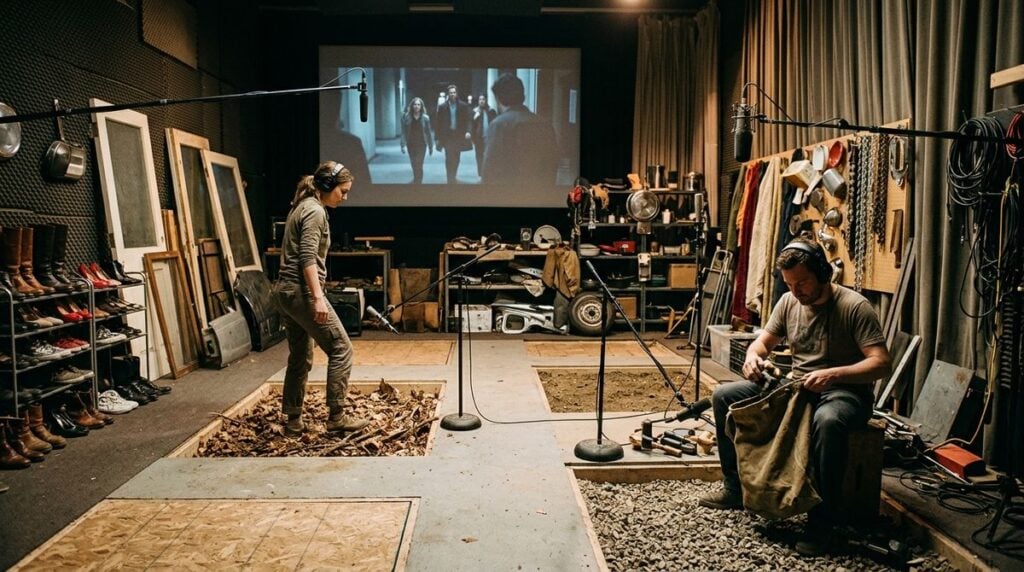
Some audio artists specialize strictly in musical composition, creating ambient exploration themes, battle scores, and emotional character motifs. Other creators focus on tactile sound effects, such as user interface clicks, environmental ambience, weapon impacts, and creature vocalizations. Deciding whether you offer linear musical scores, interactive sound effects, or a comprehensive combination of both allows you to communicate your creative focus without confusing developers.
Technical implementation is another valuable specialty that sets boutique sound designers apart. Many indie teams appreciate sound designers who understand audio middleware engines that connect sound assets directly to game code. If you know how to build dynamic audio behaviors that adjust volume, pitch, and instrumentation based on player health or environmental triggers, make that practical capability clear in your initial conversations.
Setting Up Your Creative and Commercial Workflow
Operating a freelance audio service requires balancing active creative studio sessions with organized operational habits. When an indie developer hires you, they expect reliable delivery schedules, structured asset folders, and consistent file naming. Establishing standard asset naming conventions early prevents confusion when exporting and organizing large volumes of individual audio files across multiple development sprints.
Client communication should always remain transparent, constructive, and predictable throughout the production cycle. Discussing asset revisions, file delivery formats, audio loudness standards, and delivery milestones upfront prevents misunderstandings later in development. Agreeing on realistic deadlines for each milestone ensures that both you and the game developer remain coordinated as the title progresses toward completion.
When you begin taking commissions, organizing your daily operations is just as critical as polishing your audio tracks. Many emerging creatives struggle because they attempt to tackle complicated studio tasks without clear boundaries or structured schedules. Reviewing business overviews on Small A Projects can help you understand how to structure tasks, plan manageable milestones, and maintain control over your working schedule.
Building a Focused Portfolio and Asset Reel
Game developers rarely spend time reading lengthy resumes, technical equipment inventories, or software lists. Instead, they want to hear how your audio enhances onscreen motion, character interaction, and dramatic tension. A focused audio reel that demonstrates your ability to match sound to visual gameplay is your most persuasive asset when seeking new assignments.
Rather than uploading dozens of disconnected full-length tracks, assemble a concise video reel that highlights gameplay scenarios across distinct game styles. Showcasing how your sound design brings life to different genres demonstrates your creative versatility to prospective clients. Your portfolio should present clear, memorable demonstrations of practical game audio work.
- Short gameplay clips showing original music paired with dynamic environmental audio
- Examples of crisp user interface sound design and menu feedback effects
- Interactive audio layers that respond smoothly to character movement and action
- A brief breakdown showing isolated audio stems alongside the final gameplay mix
Keep your portfolio hosted on a clean, responsive web page that loads quickly across all devices. Providing clear timestamps, headphones recommendations, and brief notes explaining your creative approach allows busy game directors to evaluate your skills in a matter of minutes without unnecessary navigation hurdles.
Establishing Your Brand and Professional Identity
Presenting your sound design venture with a cohesive professional identity sets you apart from casual hobbyists. A distinct studio name, clean visual presentation, and consistent communication across your website and social profiles signal reliability to prospective collaborators. Developers want assurance that you take your business seriously before trusting you with their creative vision.
Transitioning from a casual home composer into a formal sound design provider requires thoughtful planning around your identity and business development. Taking time to consult resources like newlookcompany.net offers guidance on setting up an operational foundation, finding the right growth path, and presenting your venture with clarity.
Consider how you describe your personal creative style and musical strengths. Highlighting your experience with specific aesthetics, such as retro pixel platformers, atmospheric puzzle titles, or fast-paced action adventures, helps game creators quickly determine whether your sonic sensibility matches their game world. Specialization often makes your studio far more memorable than general claims of doing everything.
Connecting with Game Developers and Community Hubs
Finding independent developers requires active participation in creator communities rather than passive promotion. Online game jams are among the most effective environments for collaborating with programmers, artists, and level designers. Participating in a short game jam gives you practical experience working under real production deadlines while building genuine friendships with passionate developers.
Networking does not have to stay confined to social channels or online forums. Local meetups, indie creator gatherings, and community venues provide valuable opportunities to hear what developers need in person. While our earlier guide discussed planning a dedicated video game lounge for gathering enthusiasts, visiting existing social spots and gaming events lets you speak directly with creators seeking custom audio.
When reaching out to independent developers whose projects you admire, focus on genuine interest in their work rather than sending generic sales pitches. Commenting thoughtfully on their public development updates or playthrough demos establishes a friendly connection before you ever introduce your sound design services. A respectful, community-focused approach builds trust that opens doors to creative partnerships.
Sustaining Long-Term Creative Partnerships
In the gaming industry, long-term studio growth relies heavily on repeat collaborations and word-of-mouth recommendations. Independent developers frequently work on multiple titles over their careers or recommend reliable sound designers to fellow creators in their network. Delivering organized audio packages ahead of schedule leaves a positive impression that often leads to future contract offers.
Maintain contact with teams even after a game officially releases. Checking in to congratulate a development team on a launch milestone or assisting with small post-launch audio patch adjustments demonstrates lasting commitment to their project. By providing dependable support, you establish a reputation as a trusted audio partner ready to enrich the next generation of indie games.