Video games provide an extraordinary landscape for modern sound artists and composers. Unlike film scoring or commercial music production, where sound flows along a fixed timeline, game audio reacts dynamically to player choices, physical movement, and emergent pacing. Breaking into this discipline demands more than musical talent; it requires a genuine grasp of how sound functions within software.
Many aspiring creators have strong studio skills in audio engineering or songwriting, yet they struggle to transition those talents into interactive entertainment. Establishing a sustainable career in game audio requires developing specialized implementation skills, crafting interactive demo reels, and learning how to position your creative services effectively. With deliberate planning, you can turn your passion for sound into a viable professional path.
Mastering the Fundamentals of Interactive Audio
The core difference between traditional audio production and game audio is non-linear playback. In an interactive environment, musical cues must shift seamlessly when an encounter begins, and ambient soundscapes must adjust when a character enters an enclosed chamber. Sound designers must build responsive systems rather than static audio tracks.
Familiarity with audio middleware tools is essential for modern game development. Environments such as Audiokinetic Wwise and FMOD serve as the connective tissue between your digital audio workstation and the game engine. These tools allow sound designers to manage sound events, randomize pitch variations to prevent ear fatigue, and construct vertical music layers that react to gameplay intensity.
Working knowledge of game engines gives you a distinct creative advantage. Understanding how audio hooks into Unity or Unreal Engine helps you communicate efficiently with programmers and designers. When you understand the technical constraints of memory budgets and voice limits, you become an invaluable asset to any production pipeline.
Building an Impactful Game Audio Portfolio
Your portfolio is your primary calling card when connecting with development studios. Traditional musical tracks or isolated sound effects files are rarely enough on their own. Prospective employers want to see proof that you understand how your sound behaves inside a running game. A strong demo reel should be concise, focused, and directly relevant to interactive media.
A classic exercise for an aspiring sound designer is redesigning the audio for an existing gameplay capture. Remove the original sound effects and score from a short clip, then replace them entirely with your own custom creations. Documenting your creative process by showing your session layers and asset organization demonstrates artistic depth and professional discipline.
- Showcase short gameplay clips highlighting ambient design and player feedback.
- Include brief on-screen captions explaining your implementation choices.
- Feature diverse sound categories, including creature vocals, interface cues, and Foley.
- Demonstrate adaptive musical transitions that respond smoothly to gameplay changes.
Host your portfolio on a clean, responsive personal website that loads quickly on desktop and mobile devices. Avoid complicated navigation or hidden media players. An audio director should be able to press play on your primary reel within seconds of opening your page.
Navigating the Game Audio Job Market
The game audio job market generally divides into two pathways: in-house studio employment and independent freelance contracting. In-house positions offer steady collaboration, predictable schedules, and immersion within a broader studio team. Freelance sound design provides creative variety, flexible scheduling, and the opportunity to contribute to distinct titles across multiple genres.
Deciding which direction to pursue depends on your working style and career goals. In-house roles provide structured mentorship from senior audio directors, but they can be competitive and geographically concentrated. Freelancing allows you to collaborate remotely with independent developers worldwide, though it requires managing client contracts, invoicing, and personal project deadlines.
Navigating employment opportunities requires more than technical talent; understanding interview preparation and professional resume building is equally essential. Exploring career development platforms such as Jobs In Macon GA can offer practical guidance on structuring applications, presenting transferrable skills, and communicating effectively with hiring managers. Whether applying for an entry-level audio assistant post or transitioning from traditional media, structured career preparation helps you approach the hiring process with confidence.
Marketing Your Creative Brand to Game Developers
Game developers rarely hire audio talent through cold, generic outreach emails. Most independent studio leads discover composers and sound designers through creative communities, social channels, and collaborative events. Participating in game jams is one of the most effective ways to establish relationships with developers. During a weekend game jam, you work under tight deadlines, proving your reliability, communication, and creative agility.
To stand out in a competitive entertainment landscape, independent sound creators must treat their personal brand as an evolving commercial presence. Studying business growth strategies through resources like make-7.com can assist creators in clarifying their market identity, reaching prospective clients, and pitching services to growing development teams. Learning how to articulate the value your audio brings to a player experience will set you apart from competitors who only discuss equipment and plugins.
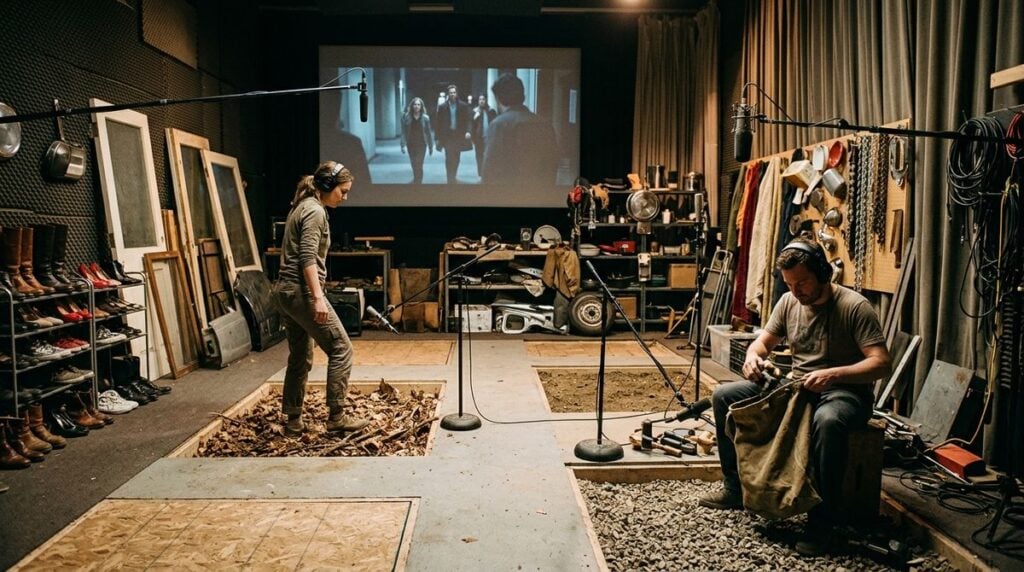
Maintain an active presence on social platforms where game developers share work in progress. Posting short videos that demonstrate how you recorded an unusual foley sound or synthesized a game asset sparks natural interest. When developers see your creative problem-solving in action, they are far more likely to contact you when their project needs audio.
Expanding Your Revenue Streams Beyond the Game
Building a sustainable career in game audio involves diversifying your income sources. Relying solely on project-to-project contract fees can lead to unpredictable lulls between production cycles. Forward-thinking audio professionals often explore commercial soundtrack releases, sample library development, and sync licensing for trailers and interactive media.
Publishing your original soundtracks on streaming services and physical formats allows you to build an audience that supports your music independent of the game itself. Many composers establish their own boutique imprints to manage these releases; our guide on starting an indie soundtrack record label covers the fundamental considerations of physical distribution, digital distribution rights, and artist royalties. Developing an independent release strategy creates secondary income and elevates your profile as an artist.
Another viable path is creating modular sound asset packs for online developer marketplaces. Many small studios purchase ready-to-use audio libraries for rapid prototyping. Designing curated packages, such as atmospheric horror ambiences or retro interface sounds, generates recurring revenue while showcasing your craft to developers who may later hire you for custom work.
Cultivating Long-Term Professional Growth
A rewarding career in video game audio is built on curiosity, patience, and consistent creative output. Technology and gameplay styles continue to evolve, requiring sound professionals to remain open to new workflows, spatial audio techniques, and interactive storytelling conventions. Treating every small project as a chance to refine your craft and communication ensures continuous growth.
By combining technical mastery of middleware with a professional portfolio and thoughtful relationship building, you can carve out an enduring niche within the gaming industry. Keep experimenting with new sonic textures, stay engaged with the broader developer community, and focus on delivering audio that enriches the player journey.