Video games and music share a deep creative bond. From memorable chiptune melodies to rich orchestral scores, game soundtracks often become personal favorites long after the display turns off. Yet finding public spaces that celebrate both interactive entertainment and focused music listening remains rare. Traditional coffee shops rely on background noise, while commercial arcades and gaming centers are often noisy and overwhelming.
Creating a hybrid venue that combines a relaxed gaming lounge with a dedicated music cafe bridges that gap. This space provides a welcoming environment where guests can unwind with friends, discover indie games, explore vinyl records, or enjoy a beverage while listening to curated albums. Bringing this concept to life requires thoughtful design, solid business fundamentals, and careful facility planning.
Establishing the Business Foundation and Location
Before choosing lighting fixtures or sound monitors, you must establish a clear operational framework. Opening any hospitality or entertainment venue involves navigating commercial leases, local zoning regulations, and neighborhood noise expectations. Commercial spaces must accommodate multiple electrical circuits for electronics, satisfy safety codes, and provide adequate accessibility for all visitors.
Entrepreneurs often face the choice between building an entirely new space or acquiring an existing hospitality property with functional infrastructure. If you are exploring whether to launch a new concept or acquire an existing storefront, researching business transfer options through resources like America For Purchase can offer practical guidance on finding suitable commercial opportunities. Assessing whether an existing property has the right footprint saves significant time compared to building everything from scratch.
Location plays a vital role in long-term success. A storefront near university campuses or creative districts naturally attracts gamers, students, and audio enthusiasts. Pay close attention to how sound travels to neighboring buildings. Ground-floor spaces with concrete subfloors are ideal for isolating foot traffic and low-frequency bass, preventing complaints from neighbors.
Structuring Sound Zones and Acoustic Balance
The central challenge in combining video games and music within a single venue is acoustic management. Video games produce sudden sound effects like explosions and dialogue, while music listening demands tonal clarity and dynamic range. If these audio sources clash in an untreated room, the resulting noise fatigue drives customers away quickly.
Many creators begin at home by exploring creative room conversions, such as turning an attic into a dedicated room, but translating those ideas to a commercial venue requires a different approach to sound separation. Rather than treating the space as one open hall, divide the floor plan into distinct zones with tailored acoustic profiles.
A practical layout features three distinct areas: a quiet listening lounge, a social gaming corner, and a central cafe counter. The listening area benefits from plush seating, heavy curtains, fabric wall panels, and high-fidelity headphone stations for browsing records. Meanwhile, the gaming area should use directional speakers angled toward players, or provide wired headsets connected directly to each console station.
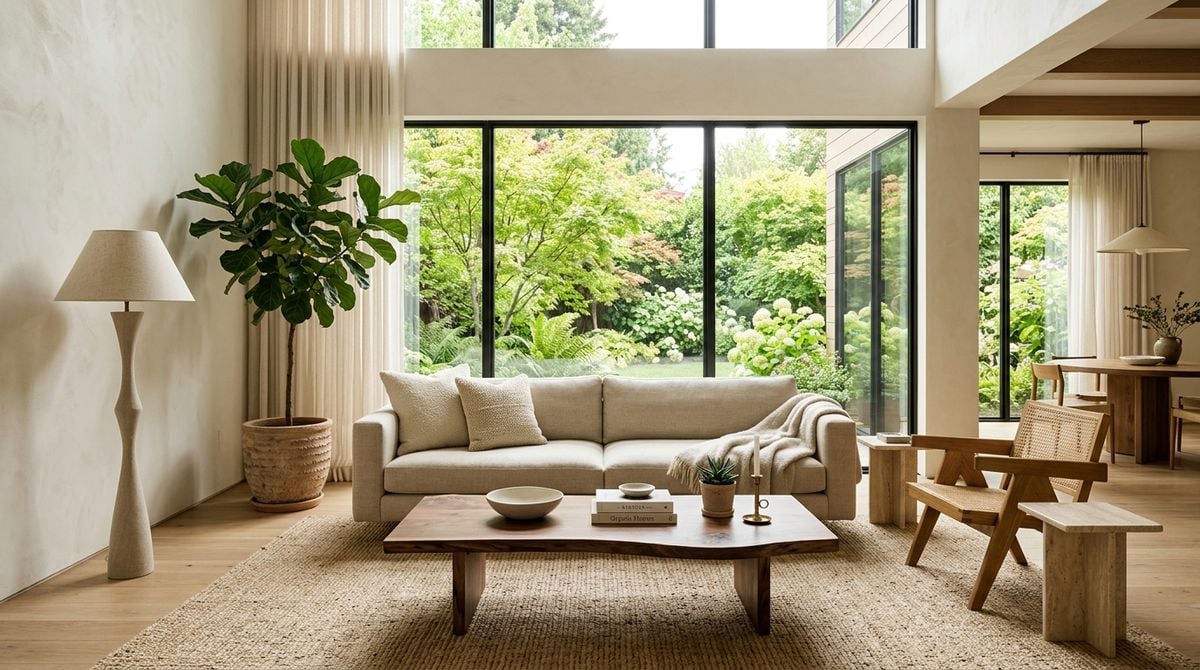
Acoustic treatments should integrate naturally with your decor. Dense foam diffusers, wooden slat panels, and ceiling baffles absorb unwanted reflections while adding modern visual appeal. Adding large area rugs over commercial flooring dampens footstep noise, while upholstered booths act as natural sound barriers between different seating sections.
Practical Interior Design, Plumbing, and Facilities
A successful entertainment venue must function smoothly behind the scenes. While audio gear and screens capture attention, customer satisfaction depends heavily on reliable utilities, clean restrooms, efficient drink preparation counters, and comfortable climate control. High-density electronics generate significant warmth, meaning your ventilation setup must handle elevated thermal loads during peak hours.
When outfitting commercial interiors, consulting practical design and trade directories such as Build Green Atlantic provides valuable insight into interior layout planning, durable finishes, and essential plumbing requirements for cafe service counters. Making smart interior choices early ensures that customer seating and service operations run smoothly without costly mid-project redesigns.
Plumbing requires careful planning, particularly if your concept includes an espresso machine, beverage taps, or dishwashers. Service counters demand dedicated water lines, filtration systems to protect specialized brewing equipment, and proper drainage where required by local guidelines. Restroom placement should allow convenient guest access without disrupting the lounge flow.
Lighting design also warrants close attention. Harsh fluorescent lighting causes glare on television displays and ruins the relaxed ambiance required for music appreciation. Instead, install dimmable warm fixtures, concealed accent strips, and adjustable table lamps. This layered approach lets guests read menus and inspect album sleeves comfortably while keeping screens clear.
Selecting Durable Hardware and Cable Infrastructure
Commercial wear and tear is substantially heavier than home use. Controllers are dropped, headphone cords are twisted, and furniture experiences constant movement. Selecting rugged, easily serviceable equipment keeps maintenance manageable and prevents equipment downtime during busy hours.
Cable organization is both a safety necessity and an aesthetic priority. Tangled power cords and audio cables create tripping hazards and look disorganized. Run wiring through dedicated wall conduits or floor cord protectors, and install recessed power outlets beneath console benches.
To keep your gear functioning properly and maintain a tidy space, prioritize the following hardware features:
- Secure console mounts with ventilated locking brackets that allow steady airflow while preventing movement
- Commercial-grade over-ear headphones with detachable cords and wipe-clean synthetic ear pads
- Heavy-duty cable management channels installed along baseboards to conceal wiring safely
- Dedicated sanitization stations stocked with microfiber cloths and electronics-safe cleaning sprays
Standardize your hardware choices whenever possible. Using identical console models and uniform monitor sizes simplifies repairs, as spare parts and power cables can be swapped immediately without altering the station layout. Maintain a small inventory of replacement controller thumbsticks, charging cords, and audio adapters so staff can resolve minor issues promptly.
Curating Atmosphere, Soundtracks, and Community Events
The spirit of your lounge lives in its programming and everyday atmosphere. Striking the right balance between gaming excitement and musical warmth encourages visitors to return regularly. During daytime hours, keep background volume low and prioritize atmospheric game soundtracks, ambient electronic music, or mellow instrumental records that support conversation and casual play.
In the evenings, the energy can shift toward community events. Host themed listening sessions highlighting celebrated game composers, retro gaming tournaments paired with live DJ sets, or listening parties for independent musicians. Providing tabletop games and portable console charging points also welcomes groups with varied entertainment preferences.
Staff training makes a genuine difference in setting the tone. Team members should feel comfortable assisting visitors with console menus, suggesting music albums, and keeping equipment clean between sessions. When staff show genuine enthusiasm for gaming and audio culture, patrons feel welcomed into an authentic community hub.
Opening a combined gaming lounge and music cafe is an exciting project that merges creative passion with detailed physical execution. By prioritizing sound separation, installing dependable utilities, and cultivating an inviting social environment, you create a space where casual players and dedicated audiophiles alike feel welcome. With thoughtful planning and attention to practical craftsmanship, your venue can grow into a cherished cultural destination.