Video games rely heavily on bespoke sound design to bring virtual worlds alive. From footsteps on gravel to sci-fi weaponry and modular menu clicks, developers need vast libraries of high-fidelity audio assets. For sound designers and audio engineers, creating dedicated sound effect and foley libraries provides a rewarding avenue to share technical skills while supporting independent game developers worldwide.
Running a digital sound library is fundamentally different from taking on freelance client commissions. Instead of trading studio hours for project fees, you build persistent digital products that indie studios and content creators can purchase repeatedly. Transforming your creative recording sessions into a sustainable commercial endeavor demands technical precision, smart asset curation, and steady entrepreneurial discipline.
Finding Your Signature Audio Niche in Gaming
General audio libraries already flood the market with generic laser blasts and standard vehicle revs. To establish a memorable brand, your library must address specific, underserved audio requirements within modern game genres. You might focus on tactile retro platformer mechanics, visceral combat impacts, organic wilderness survival environments, or stylized user interfaces for mobile games.
Take time to study the recurring pain points that indie developers face during active production cycles. Small studios often struggle to find cohesive sound packs where every asset shares the same acoustic space. When every sound in your pack harmonizes seamlessly, game designers can implement entire scenes without spending hours equalizing disparate files from multiple uncoordinated sources.
Audio creators stepping into product sales benefit from studying structured planning principles early in the venture. Reviewing practical resources on go-oodles.com can help clarify your commercial goals, define your audience, and structure a realistic workflow as you launch your boutique sound venture. Setting clear operational benchmarks keeps you focused on building assets that game creators genuinely need.
Many creative professionals combine packaged sound assets with other commercial audio channels to build steady momentum. If you have already explored our advice on an independent game music licensing business, you know that balancing ambient foley packs with thematic musical cues helps establish multiple ongoing revenue streams across the interactive entertainment landscape.
Building a Reliable Field Recording and Foley Rig
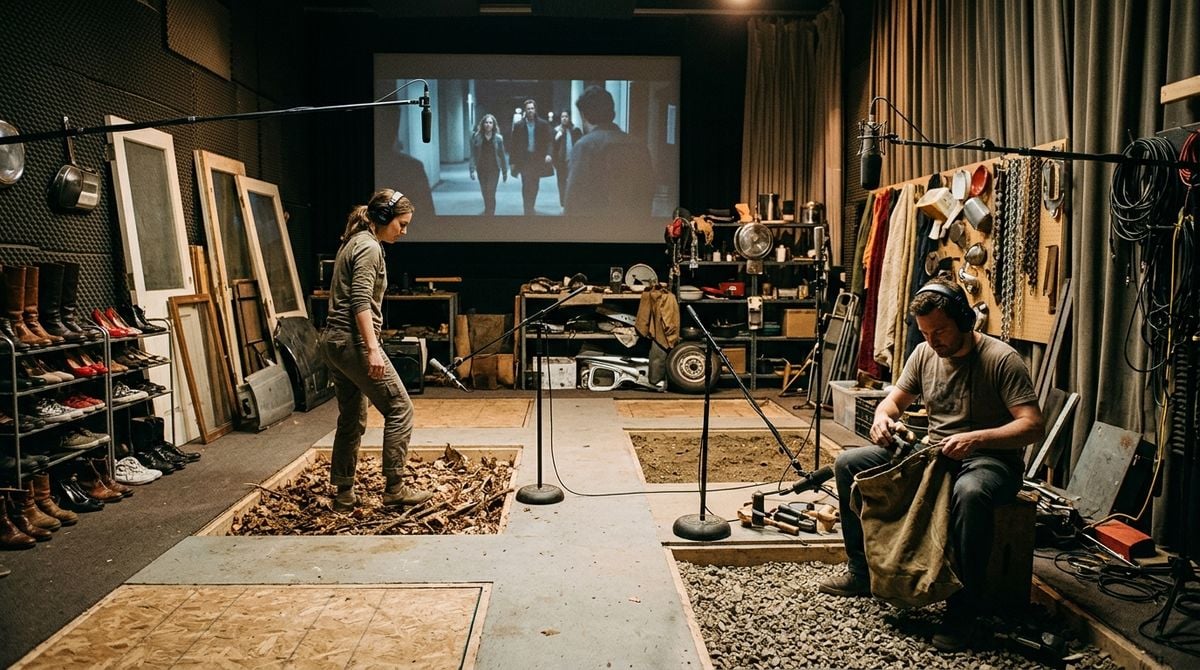
Capturing authentic source material requires reliable recording hardware and disciplined field techniques. While studio synthesis has its place, the foundation of unique game audio lies in real-world organic recordings. Developing a portable rig allows you to capture environmental textures, metal scrapes, fabric movements, and odd mechanical noises wherever inspiration strikes.
Your recording setup does not need to be overly complicated, but it must prioritize pristine signal clarity and low self-noise. Game audio assets often undergo extensive pitch shifting, time stretching, and spectral processing inside game engines, which rapidly exposes subtle microphone hiss and preamp noise that would ruin the immersion.
A practical mobile foley kit generally includes the following essential tools:
- A durable handheld digital field recorder capable of high-resolution audio capture.
- Matched stereo condenser microphones or a shotgun microphone with wind protection.
- Heavy-duty closed-back studio monitoring headphones to detect unwanted background noise.
- Contact microphones and electromagnetic pickups for capturing experimental acoustic textures.
When recording raw source material, always capture multiple variations of each action. Game engines utilize randomized audio containers to prevent auditory fatigue, meaning developers need several distinct takes of every sound event. Recording diverse variations of every footstep, switch, impact, and scrape gives your library immediate utility inside modern game engines.
Mastering Metadata and Packaging Digital Sound Assets
Creating pristine recordings is only half the battle; organizing them properly determines whether game audio directors will keep using your catalog. Professional sound designers use specialized audio database software to search through thousands of sounds in moments. If your files lack standardized naming conventions and embedded metadata, your pack becomes frustrating to navigate.
Adopt standard industry naming schemes, such as the Universal Category System. Every filename should clearly state the category, subcategory, sound descriptor, and variation identifier. For instance, a file clearly labeled for footsteps on wet wood tells the user everything they need to know before they audition the track inside their audio browser.
Embedded metadata tags are equally vital for discovery. Use dedicated tagging software to embed detailed descriptions, microphone configurations, source materials, and relevant keywords directly into the audio files. Include terms that game designers naturally search for, such as combat descriptors, emotional moods, surface types, and genre tags.
Deliver audio files in uncompressed, high-sample-rate formats alongside game-ready normalized versions. Offering both raw source recordings and pre-trimmed assets broadens your appeal to both experienced audio directors who want to design from scratch and solo developers who need drag-and-drop solutions for immediate prototypes.
Creating an Online Storefront and Growth Strategy
Once your sound libraries are edited, mastered, and tagged, you need an accessible distribution system. Relying solely on third-party digital asset marketplaces can limit your margins and prevent you from building direct relationships with your customers. Establishing your own branded storefront provides total control over your presentation, pricing structure, and direct communication.
Building an independent e-commerce brand requires disciplined business management and deliberate digital marketing. Exploring business guidance on Go And Grow Online can provide valuable perspective on operating modern digital commercial platforms, optimizing marketing funnels, and managing long-term operational growth. Treating your sound library as a dedicated business rather than an occasional hobby accelerates your progress.
Design an intuitive website where prospective buyers can easily audition audio clips without friction. Integrate responsive audio players that showcase both isolated sound elements and full in-game contextual demos. When developers hear your sound effects functioning alongside gameplay footage or ambient soundscapes, they can instantly visualize how the assets will elevate their own projects.
Offer a free introductory sampler pack containing selected files from your premium collections. Free sample packs act as a powerful discovery tool across game developer forums, game jams, and online audio communities. When developers test your free assets and experience their audio quality firsthand, they are far more likely to invest in your complete commercial libraries.
Expanding Your Catalog and Sustaining Brand Loyalty
Long-term sustainability in the game audio market comes from regular catalog updates and active community engagement. The gaming industry evolves rapidly, with emerging genres and gameplay styles creating fresh demands for novel soundscapes. Regularly surveying indie development trends helps you anticipate what audio assets will be needed for upcoming projects.
Listen closely to buyer feedback and feature requests. If customers praise your creature vocalizations but express a need for matching environmental ambiances, prioritize those companion packs in your recording schedule. Creating complementary thematic releases encourages repeat purchases and establishes your brand as an indispensable audio partner for small and mid-sized studios.
Maintain active participation in game development communities, game jams, and developer showcases. Providing helpful tips on audio implementation and sound design builds genuine goodwill among developers. By consistently delivering exceptional sonic fidelity, meticulous organization, and reliable customer support, your sound library business can thrive as a cornerstone resource for the gaming community.