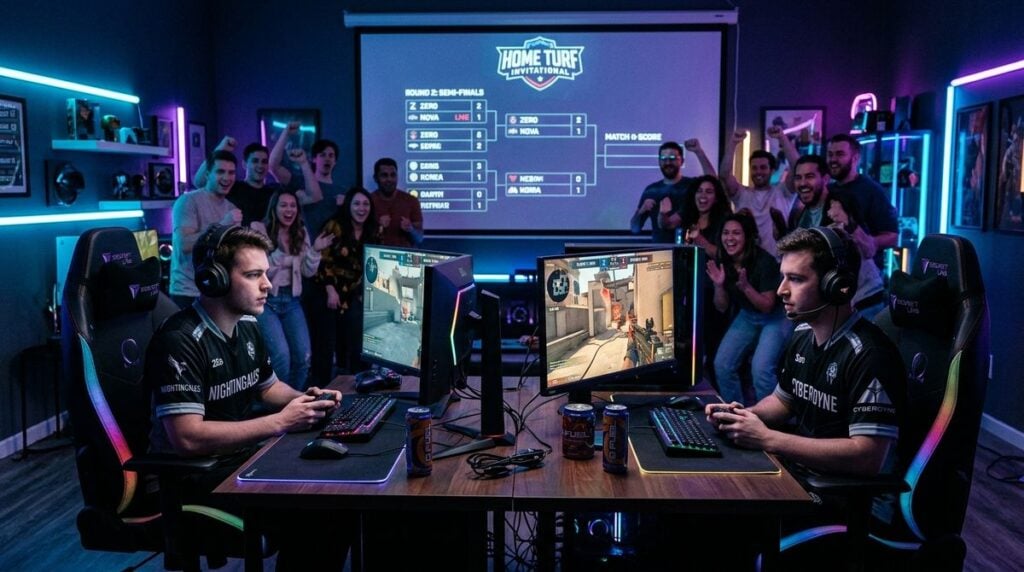
Gaming communities can be surprisingly welcoming, but walking into an unfamiliar club or tournament for the first time can still feel awkward. You may not know the regular players, the house rules or the skill levels that the group expects. Yet local gaming clubs, library game nights and community tournaments are excellent ways to make friends after a move. This article explains how to find the right groups, ask good questions before you join, and build a positive reputation from the very first session.
Look for community spaces, not only online servers
Online communities are useful, but local meetings offer something different: face-to-face friendships and a sense of belonging in your new area. Check libraries, community centres, cafes that host game nights and specialist shops that run weekly sessions. Many of these places publish schedules on noticeboards or in local newsletters. A visit to an event as a spectator can help you decide whether the atmosphere suits you before you commit.
Look for groups that welcome different skill levels. A club that runs beginner-friendly sessions is often a better starting point than a competitive team with strict requirements. Ask whether there are casual nights where you can learn the group’s culture without pressure.
Ask the right questions before you join
Before turning up to your first session, send a short message or speak to the organiser. Good questions include the meeting times, the games usually played, whether there is a cost, and whether newcomers are expected to bring their own equipment. Ask whether the group has a code of conduct, and read it carefully. Readers may also want to visit electricmela.com.
Be honest about your experience. Saying that you are new to a particular game is perfectly acceptable, and most groups will be glad to help. Overstating your skills can lead to frustration on both sides.
Joining as a newcomer
Your first few sessions are a chance to observe and contribute gently. Keep these points in mind:
- Arrive on time and introduce yourself to the organiser.
- Learn the local house rules before suggesting changes.
- Play fairly, and avoid taking over the conversation.
- Respect players who are still learning the game.
- Offer to help with setup or clean-up when it is appropriate.
These habits show that you value the group rather than just the games. Consistent, friendly behaviour is often what turns a visitor into a regular member.
It also helps to bring something small to share, such as snacks for a shared table, a spare controller or a set of cables for a group that plays on a shared screen. You do not need to spend money to be useful. Offering to teach a rule, explaining a mechanic to someone who is stuck, or stepping aside to let a beginner play a round all signal that you care about the whole group. If you disagree about a rule, suggest checking the official rulebook together rather than settling it by argument. Ask the organiser how they would like newcomers to be introduced at the start of each session. Over a few weeks, these small habits make you the person others choose to sit beside, which is often the easiest way to find lasting company in a new city.
Respecting group norms and fair play
Every group has its own norms around competition, language and breaks. Some tournaments take results very seriously, while others focus on fun and social play. Read any published rules, ask about dispute procedures, and be ready to accept decisions made by organisers. You can also visit Greenrenters.org for more reading.
If you disagree with something, raise it privately and politely. Public arguments during a session can damage relationships quickly, especially in smaller clubs where everyone knows each other.
Making friends beyond the game
Many long-lasting friendships begin with a simple shared hobby and then grow into conversations about work, food or the neighbourhood. Suggest a coffee after a session, or invite people to a related event if the group is open to that. Keep these invitations light and respect people who prefer to keep the social side separate.
Keep notes about the people and groups you meet, including their names, usual times and favourite games. For a related read on this site, see Building a Small Home Studio for Game Music.
Joining a gaming community in a new city is a gradual process. Research the options, ask thoughtful questions, and show up with patience and good humour. Over time, the people you meet at the table can become the friends who help you feel at home in your new area.