Video game audio is one of the most powerful storytelling elements in modern digital entertainment. While high-end visuals capture immediate attention on a store page, the sonic landscape keeps players engaged during long interactive sessions. Independent game creators often shoulder music composition, audio implementation, and sound effects design on modest resources. Navigating this multidimensional discipline requires a balanced blend of creative musical instincts and functional sound design principles.
Composing for an interactive medium differs significantly from writing standalone musical tracks or linear cinematic cues. In a game, the player dictates the pace, direction, and intensity of the narrative. Music must therefore breathe, react, and evolve alongside player decisions without sounding abrupt or repetitive. By establishing clear production practices early in development, creators can build memorable audio landscapes that elevate gameplay mechanics into cohesive emotional journeys.
Connecting Gameplay Mechanics with Emotional Soundscapes
Every interactive project begins with core gameplay loops. Whether a character is exploring a quiet wilderness, solving an intricate puzzle, or navigating a fast-paced platforming challenge, the audio must support the underlying mechanics. When music conflicts with the on-screen action, players can easily feel disoriented. Aligning the rhythm, harmonic density, and instrumentation of your score with player input creates an instinctive sense of satisfaction.
One effective approach involves thematic layering. Instead of writing a single dense composition for an entire level, you can arrange distinct musical stems that trigger based on situational context. A gentle bassline and delicate percussion track might loop during exploratory moments, while brass instruments and sharp synthesizer leads fade in when hazards emerge. This structural modularity ensures that the soundtrack feels alive, responsive, and closely tied to player agency.
Studying Cinematic Pacing Across Independent Media
Great game audio frequently draws inspiration from outside the gaming medium itself. Independent cinema, in particular, provides a masterclass in establishing emotional intimacy and suspense with minimal sonic elements. Observing how visionary filmmakers handle quiet moments, subtle environmental room tones, and unexpected silences can transform your approach to game sound design. Silence is often just as impactful as an overwhelming wall of sound when emphasizing tension.
Analyzing how independent motion pictures balance dialogue, background ambience, and score offers valuable insights for video game creators. When exploring entertainment outlets and film roundups on Alternatives Times, creators can observe how low-budget cinema achieves dramatic tension without relying on bombastic orchestral arrangements. Adapting these visual and auditory pacing tricks helps you score game cutscenes and narrative sequences with greater subtlety.
Translating film techniques into interactive audio also means respecting dynamic range. Unlike commercial pop music tracks that are heavily compressed to maximize loudness, narrative game audio thrives on contrast. Leaving ample headroom for sudden sound effects, dialogue whispers, and environmental shifts allows players to immerse themselves fully without suffering from auditory fatigue during lengthy play sessions.
Aligning Production Workspaces for Audio and Playtesting
Game audio development demands frequent iteration between composition software and game engines. Exporting sound files, loading them into game builds, and evaluating their real-time behavior can quickly become tedious if your workstation is poorly configured. Streamlining your physical and digital routing saves countless hours over the course of a production cycle.
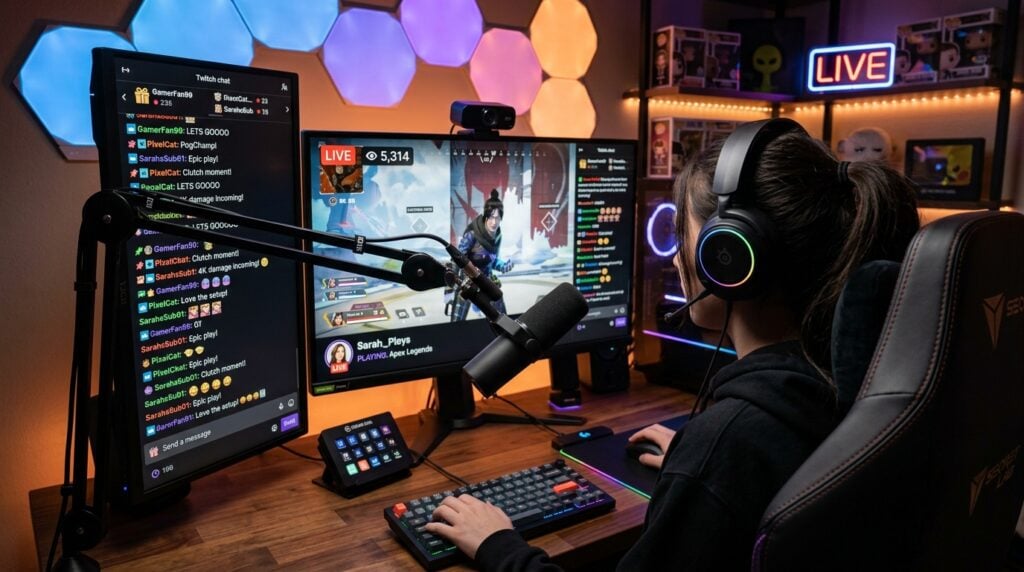
A practical creative environment allows you to switch between digital audio workstations and game engines without friction. Organizing your desk around a dual setup for music production and gaming gives you the physical room and technical routing needed to test sounds directly inside the game environment while your music sequencer remains open. This integration reduces workflow interruptions during intensive mixing sessions.
In addition to physical desk layout, monitoring choices play a central role in your evaluation process. Professional studio headphones and nearfield reference monitors reveal subtle details during composition, but players often experience games through modest stereo speakers or gaming headsets. Testing your mix across multiple monitoring sources ensures that important musical cues and directional sound effects translate clearly to everyday consumer equipment.
Tracking Modern Game Releases and Player Audio Expectations
The gaming landscape evolves continuously, bringing new genres, artistic styles, and player habits to the forefront. Independent creators must stay attuned to broader industry discussions to anticipate what contemporary players expect from sound design. From spatial audio features to personalized audio accessibility options, player standards continue to expand across desktop and console gaming communities.
Staying informed about broader industry movements helps you understand what modern players expect from their gaming soundscapes. Reviewing gaming headlines and digital entertainment updates across Wheon News keeps audio designers aware of fresh platform updates, trending indie titles, and emerging player preferences. Understanding these shifts helps you deliver sound that matches the latest community standards.
Community discussions also highlight the growing importance of player accessibility in audio design. Gamers increasingly look for customizable audio menus with independent volume sliders for master output, background music, character dialogue, and sound effects. Implementing detailed audio settings demonstrates respect for your audience and ensures that players with varying hearing profiles can enjoy your interactive world comfortably.
Practical Steps to Build an Adaptive Sound Palette
Building an adaptive sound palette does not require an immense collection of expensive plugins or rare instruments. Instead, it relies on disciplined asset curation and structured audio implementation. Developing a consistent sonic signature early in production gives your game a recognizable identity that resonates with players long after they finish playing.
- Define a restricted instrument palette: Limiting your project to a select group of instruments or synthesizers establishes a cohesive sonic universe across all levels and menus.
- Design modular audio loops: Compose background music in seamless, looping segments with varied layers so the game engine can dynamically adjust intensity based on gameplay events.
- Build a dedicated Foley library: Record everyday household textures and materials to create unique interface clicks, footsteps, and physical impact sounds that sound distinct.
- Prioritize essential audio channels: Use volume ducking to ensure critical gameplay cues and narrative dialogue cut through dense musical passages without causing sonic clutter.
Once your foundational palette is in place, consistent playtesting becomes your most valuable tool. Listen closely to how audio elements interact during extended playthroughs. If a combat loop becomes grating after repeated encounters, soften high frequencies or introduce random variations in pitch and timing to keep the ear engaged. Refining these small details transforms functional sound effects into an organic extension of the game world.
Crafting game audio is an art form that merges musical storytelling with technical discipline. By studying cinematic techniques, maintaining an organized production workspace, staying connected to player expectations, and implementing adaptive audio structures, independent developers can deliver rich sonic experiences. Thoughtful sound design enriches every moment of play, leaving an enduring impression across the gaming and entertainment landscape.