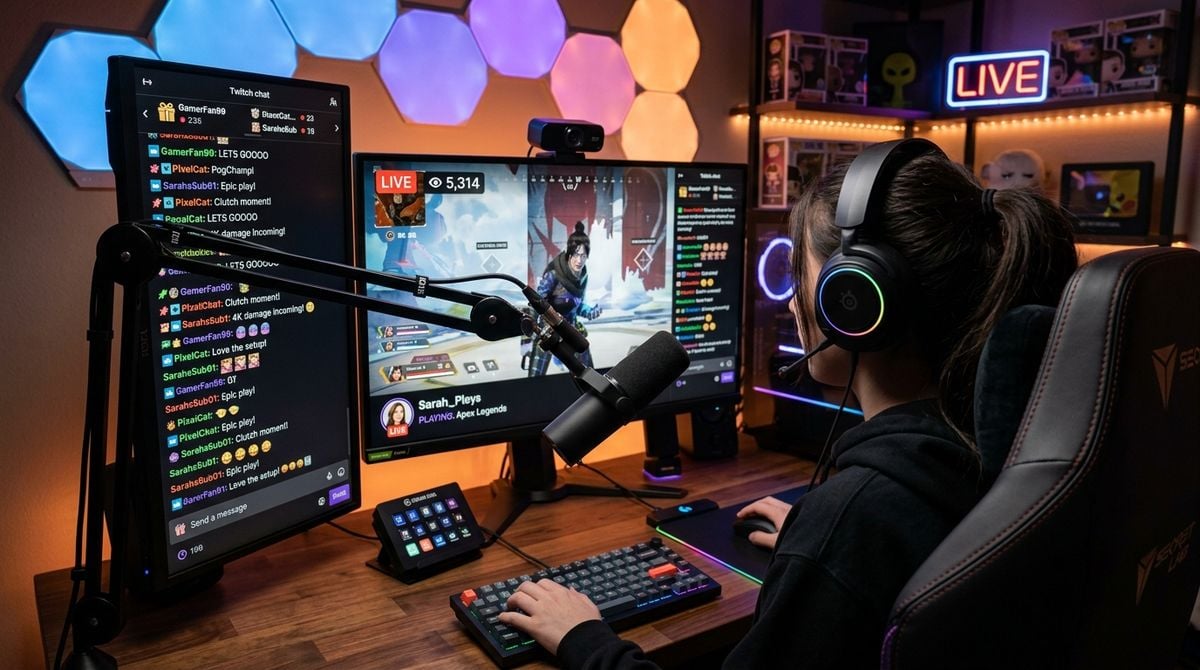
Every memorable virtual world relies on acoustic details that ground the listener in a tangible reality. When designing audio for narrative video games, interactive installations, or digital entertainment projects, sound artists often struggle to make indoor environments feel genuinely inhabited. Commercial sound libraries provide pristine audio captures, but they frequently lack the messy acoustic warmth, room resonance, and unpredictable chatter that define actual social spaces. Capturing genuine ambiance from working entertainment venues, neighborhood theaters, and community gathering spots bridges this gap, giving interactive scenes an unmistakable sense of life and cultural identity.
Transforming real architectural spaces into dynamic interactive soundscapes requires more than simply walking into a crowded room with a portable recorder. Sound creators must develop an intentional approach that covers community scouting, ethical location protocols, multi-perspective audio tracking, and modular sound implementation. By exploring authentic cultural hubs, audio designers can assemble a personal palette of textures that breathes believable atmosphere into fictional worlds while honoring the spaces where communities gather.
Scouting Neighborhood Hubs and Community Venues
The foundation of a distinctive environmental audio palette begins with finding the right physical rooms. Large commercial stadiums and polished concert halls produce familiar reverberations, but smaller community performance venues, independent playhouses, and historic neighborhood meeting spots offer richer acoustic character. These intimate spaces frequently feature aged woodwork, idiosyncratic wall reflections, and natural structural resonances that give indoor environments an immediate, relatable presence on playback.
Scouting these locations requires an active curiosity about local cultural calendars and independent venue directories. When mapping out potential spaces for environmental audio research, consulting detailed regional resources like patbigoldmedia.org allows creators to locate neighborhood venues, grassroots performance halls, and active community gatherings that never appear on mainstream travel portals. Understanding the calendar of events helps audio artists schedule visits during rehearsals, open stages, or community social hours when the natural acoustics of the room interact directly with human activity.
Before arriving on site, sound designers should visit potential rooms during daylight hours to evaluate background noise leakage. Heavy vehicle traffic, persistent air handling systems, and nearby commercial refrigeration units can compromise an otherwise exceptional acoustic space. Listening carefully during off-peak times provides a reliable impression of the baseline architectural character before an audience arrives to alter the room dynamics.
Field Recording Protocols for Live Indoor Spaces
Capturing audio inside active public and cultural venues demands diplomacy, clear communication, and non-intrusive equipment configurations. Always introduce yourself to venue managers, technical staff, and performers well in advance. Securing permission to record room tone and environmental wash builds trust and ensures that your presence does not disrupt ongoing operations. Explaining that the recordings focus on ambient acoustics rather than identifiable private conversations reassures venue operators and patrons alike.
Successful environmental recording relies on preparation and compact mobility. When stepping into dynamic public environments, sound designers benefit from the logistical disciplines developed when planning acoustic field recording trips for interactive development projects. Packing discreet handheld recorders, shock mounts, and matched stereo pairs in a lightweight setup allows for quick repositioning without drawing unwanted attention or crowding narrow walkways.
To build a flexible audio profile of an indoor venue, capture several distinct operational phases throughout an event:
- Passive architectural silence captured well before the public arrives to establish baseline room resonance.
- Pre-show ingress ambiance featuring footfalls, muffled conversations, coat rustling, and seating shifts.
- Performance room wash capturing broad acoustic reverberation, stage movement, and collective audience breath.
- Post-event egress and room cooldown as people depart and the physical building settles.
Editing Stems and Building Modular Ambient Beds
Raw location audio rarely translates directly into an interactive game engine without thoughtful editing and structural preparation. Once back in the studio, audio designers must clean the field tracks, isolating useful elements while eliminating harsh peaks, recognizable speech, and stray technical artifacts. Segmenting continuous field recordings into modular stems provides the building blocks needed to construct reactive, non-repeating ambient soundscapes.
Independent audio professionals often handle every stage of this pipeline alone, from location gathering to asset metadata tagging and implementation. Expanding your general production literacy by following multidisciplinary creative hubs such as Bebegogo.com provides valuable insight into organizing modern creative workflows, maintaining focus across multi-stage media projects, and adopting sustainable production habits. Staying connected with broader creative trends ensures that audio tasks remain aligned with contemporary storytelling and design standards.
When slicing venue recordings into reusable audio assets, divide the material into distinct functional categories. Broad room tone should be looped seamlessly to serve as a steady foundation bed. Transient details, such as distant chair scrapes, door latches, low murmur swells, and glass clinks, should be cataloged as randomized point sources that trigger sporadically. This separation prevents auditory fatigue and keeps the virtual space feeling dynamic over extended gameplay sessions.
Implementing Venue Soundscapes in Game Engines
Bringing modular venue assets into an interactive audio engine requires careful spatialization and dynamic mixing rules. Rather than assigning a single stereo file to an entire room, map different acoustic components to appropriate physical positions in the virtual scene. High-frequency details like glassware or soft laughter should emanate from specific props or gathering spots, while the low-frequency reverberant rumble can envelop the player as a panoramic bed.
Dynamic filtering and occlusion parameters allow the recorded room tone to respond organically to player navigation. As the player character approaches a venue doorway from an exterior alley, progressive low-pass filters can simulate sound transmission through brick and heavy timber. Once inside, expanding the stereo width and engaging real-time auxiliary sends blends the recorded venue impulse with the game’s immediate gameplay sound effects, resulting in a cohesive sonic illusion.
Balancing Immersion with Dialogue and Gameplay Clarity
While dense venue soundscapes bring emotional authenticity, they must never compete with primary gameplay cues or narrative dialogue. Social spaces naturally generate broadband frequency clutter that can easily mask spoken lines, critical footsteps, or musical transitions. Audio designers must carve out deliberate spectral pockets using dynamic equalization and subtle sidechain ducking.
Applying a gentle downward dip around speech frequencies in the ambient bed keeps vocal performances distinct without forcing dialogue levels into harsh territory. Similarly, setting environmental emitters to duck slightly during important narrative exchanges preserves intelligibility while maintaining the subconscious feeling that the world continues around the characters. Careful balance ensures that the authentic atmosphere serves the narrative instead of overwhelming the listener.
Documenting and implementing authentic community venue soundscapes bridges the gap between mechanical digital design and genuine human experience. When game developers and digital media creators take the time to listen to local spaces, they capture more than sound waves; they preserve the subtle warmth, communal spirit, and unique character that give entertainment worlds their lasting emotional resonance.