Inventors usually hear about three kinds of prototype: the proof-of-concept, the looks-like model, and the works-like model. Each has a purpose, but only one is needed to start a licensing conversation, and it is not a physical build. The virtual prototype, a photorealistic rendering paired with a CAD model and sometimes product animation, is what a company evaluates first. Understanding the difference stops inventors from spending on physical models they may never need.
The proof-of-concept
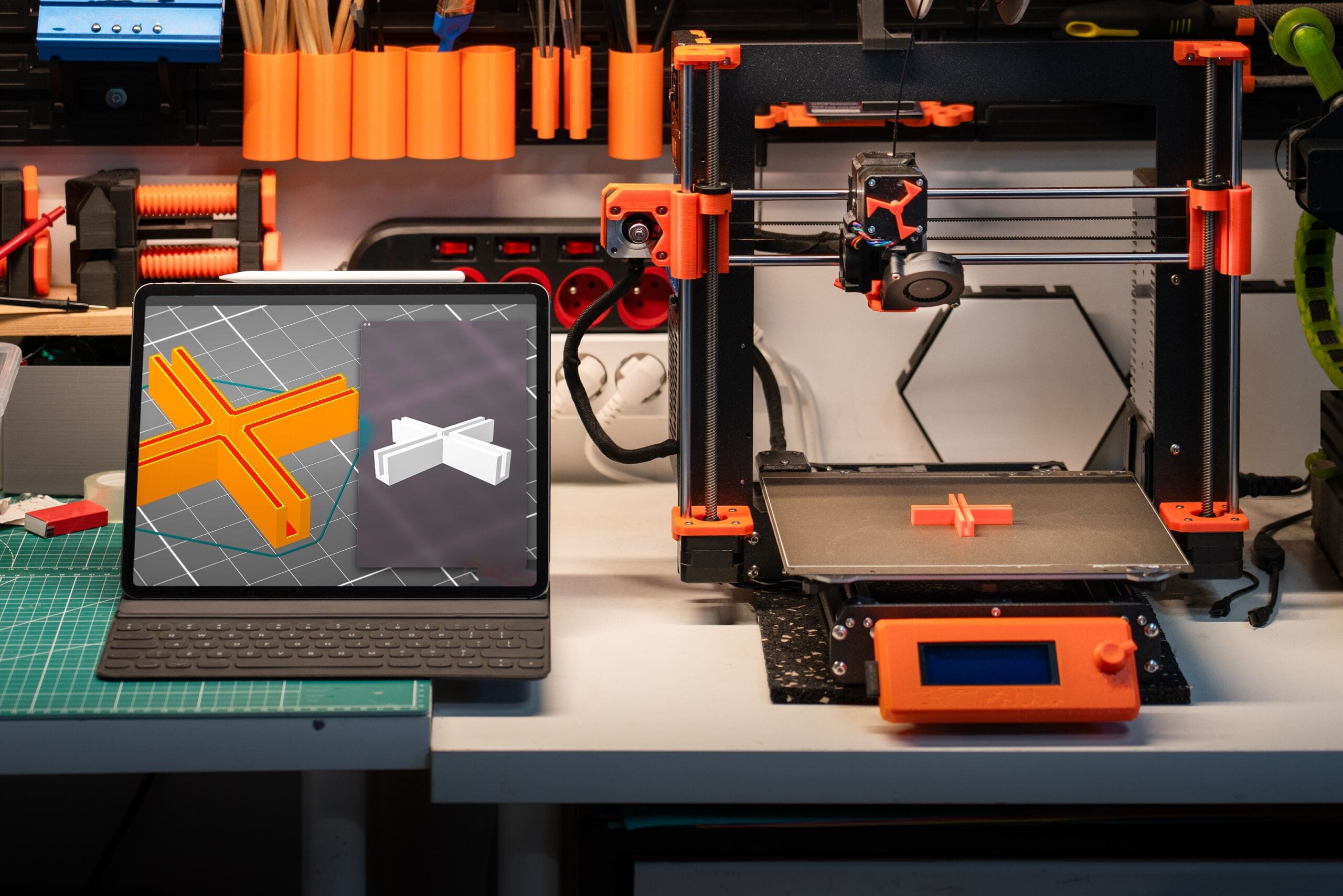
A proof-of-concept answers one question: does the core idea work at all? It can be rough, taped together, and ugly. Its only job is to prove the mechanism functions. Many inventors build this for themselves, and that is fine, because it never leaves the room. It is a private test, not a presentation piece.
The looks-like model
A looks-like model shows the final appearance without functioning. Historically inventors paid to have these hand-built, which was slow and expensive. Today a photorealistic rendering does the same job digitally and better, because it can be revised in hours and shown from any angle. This is the shift that changed prototyping economics: the looks-like stage moved from a physical build to a virtual one.
The works-like model
A works-like model both looks right and functions. It is the most expensive kind and the one inventors most often assume they need before pitching. In most licensing paths, they do not. Companies license off renderings, CAD, and animation, and scope a physical works-like model only when a specific technical question demands one.
The one that matters
The virtual prototype is the deliverable that opens doors. A CAD model gives an engineer the geometry to evaluate manufacturability. A rendering gives a marketing team the image to picture on a shelf. Product animation shows motion that a still image cannot. Together they present a finished-looking product before a single unit exists. A clear breakdown of the three prototype types from Enhance Innovations is worth reading before you spend on any physical build. The firm has worked with inventors since 2010 from its office in Champlin, Minnesota, and treats the virtual package as the core deliverable, with physical models as situational add-ons.
Where the outside authorities fit
Prototyping does not replace protection. A provisional patent application holds your filing date for 12 months, according to the USPTO at uspto.gov, and it is wise to have that in place before showing a model to anyone. University technology transfer offices, including the guidance published by the Harvard Office of Technology Development, describe how licensors weigh a proven concept against a polished presentation. If you intend to manufacture and sell rather than license, the Consumer Product Safety Commission at cpsc.gov sets the safety requirements a physical product must meet.
How to decide if you need a physical model
There is a simple test for whether a physical works-like model is worth the cost. Ask what specific question a physical unit would answer that a rendering, a CAD model, and an animation cannot. If a licensee needs to feel the ergonomics of a handheld product, or an engineer needs to confirm a mechanism under real load, a physical model earns its place. If the question is only whether the product looks right or how it functions in principle, the virtual package already answers it. Build the physical model to settle a real doubt, not to feel more prepared. The doubt should come from the person evaluating the product, not from the inventor’s nerves.
Spend in the right order
Build a rough proof-of-concept for yourself if you need proof the idea works. Then invest in the virtual prototype, because that is what a company evaluates. Commission a physical works-like model last, and only if a licensee or a specific technical question requires it. Most inventors reach a license conversation without ever building the expensive one. This article is educational and is not legal advice, so confirm your protection strategy with a qualified professional.