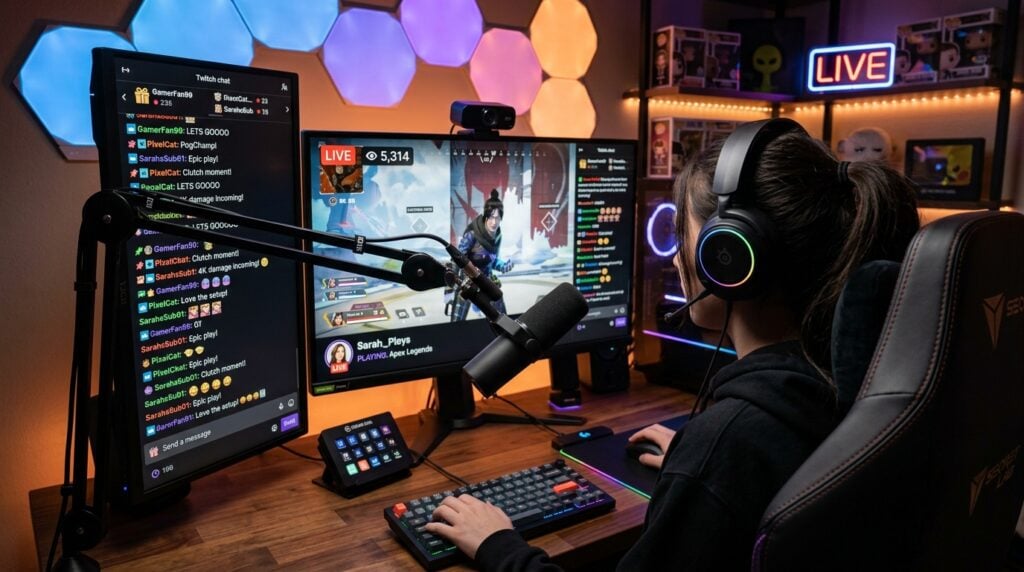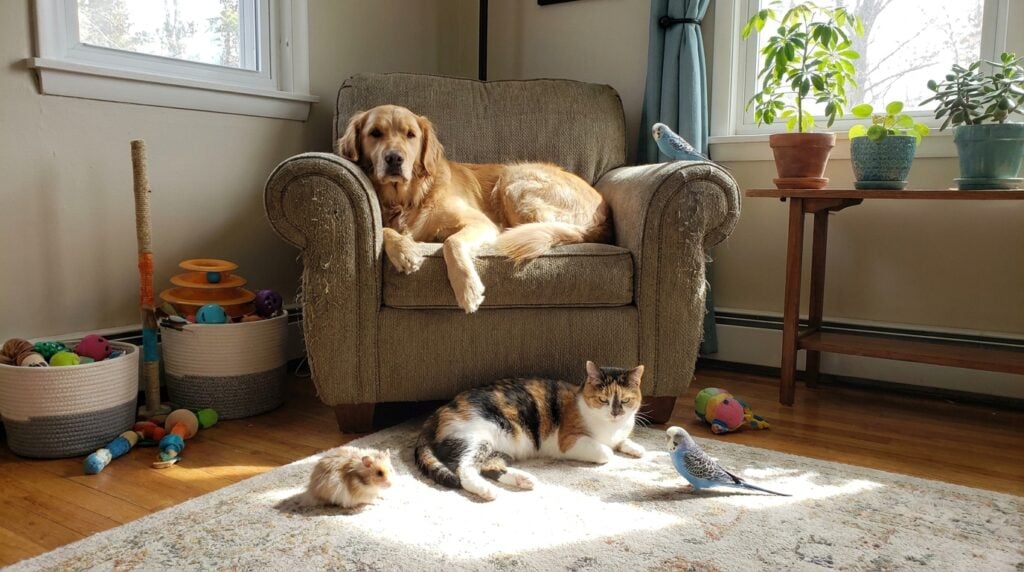
Creating an immersive audio space is one of the most rewarding projects for any music producer, gamer, or home entertainment enthusiast. Crisp highs, detailed midrange frequencies, and rich bass bring virtual worlds and musical compositions to life. Yet when we share our homes with companion animals, high-fidelity playback can introduce unexpected friction. Dogs, cats, and small animals perceive acoustic energy far differently than humans do, often turning our favorite hobby into an overwhelming sensory experience for them.
Balancing high-performance audio with animal welfare does not require giving up your passion for dynamic sound. With sensible equipment choices, thoughtful layout planning, and an understanding of animal sensory habits, you can build a listening environment that respects your household pets. By addressing how acoustic energy moves through a room, you can enjoy clear sound while keeping your companions calm and comfortable.
Understanding Acoustic Stress in Companion Animals
Human hearing captures a broad range of sounds, but many domestic animals possess ears tuned to detect faint rustles, high-pitched vocalizations, and distant rumbles. Dogs and cats can hear frequencies well beyond the upper limits of our perception. This heightened sensitivity means that sudden bursts of distortion, shrill synthesizer patches, or sharp in-game explosions can sound significantly louder and more jarring to them than to the person sitting at the desk.
Low frequencies present another distinct challenge. Subwoofers generate tactile vibrations that travel through building materials, floorboards, and structural beams. Animals resting on the floor feel these ground-borne vibrations directly in their bodies, which can trigger instinctual alarm responses. Pacing, panting, flattened ears, trembling, and seeking dark hiding spaces are frequent indicators that sound levels are causing distress.
Recognizing behavioral cues early makes a substantial difference in household harmony. When owners monitor how their animals react during long mixing or gaming sessions, they can adjust their sound levels before stress escalates into persistent behavioral difficulties. For comprehensive guides on animal behavior and everyday care strategies, visiting dogs-info.net offers practical insight into understanding the physical and emotional needs of canine companions.
Speaker Placement and Vibration Decoupling
The physical arrangement of your sound system plays a significant role in reducing stray acoustic energy. Direct sound waves hit listeners straight on, but uncontained low-end frequencies radiate omnidirectionally. Placing subwoofers directly against hollow hardwood floors or thin subflooring turns the entire room structure into a vibrating resonator. This continuous floor rumble is especially taxing for dogs and cats who spend much of their time sleeping near floor level.
Decoupling your speakers is one of the most effective mechanical adjustments you can make. Placing high-density foam pads, rubber isolation feet, or dedicated isolation platforms beneath studio monitors and subwoofers prevents mechanical energy from transferring directly into the floor. This simple separation keeps bass notes tighter for your own monitoring while sparing your pets from constant floor-borne shaking.
Speaker elevation and aim also help protect your pets. Elevate monitors on sturdy stands adjusted to your seated ear height. By angling the directional tweeters directly toward your listening position, you receive maximum clarity at moderate volumes without having to crank up the overall gain to catch fine details. Keeping pet beds away from the line of fire of your main drivers further reduces direct exposure.
Acoustic Treatment for Cleaner Sound and Reduced Leakage
Acoustic treatment improves the listening experience for musicians and gamers by taming harsh room reflections, flutter echoes, and standing waves. Conveniently, many of the very same room modifications that refine your mixing accuracy also reduce noise spill into adjoining living areas where pets sleep and relax.
Bare walls and exposed glass windows create hard, reflective surfaces that bounce high frequencies around the room, making sound harsh and disorienting. Installing thick fabric acoustic panels, placing heavy carpets over hardwood floors, and hanging dense curtains over windows absorb excess energy. This softens the acoustic environment, preventing sharp transient sounds from ringing excessively throughout the house.
Bass traps placed in room corners manage the buildup of low-end frequencies. In untreated spaces, bass waves gather in structural corners and reverberate through adjacent walls into other bedrooms or living rooms. Corner absorption keeps bass contained within the immediate listening zone, helping maintain peaceful quiet zones across the rest of the home.
Healthy Listening Habits and Daily Routines
Equipment adjustments form only part of the solution; daily habits and session workflows are equally critical. Long stretches of loud gaming or music composition can gradually desensitize human ears through auditory fatigue, prompting creators to turn up the volume as the hours wear on. Meanwhile, pets in the room remain fully exposed to this creep in volume.
Adopting disciplined volume management preserves your own hearing while keeping your pets safe. Calibrate your playback so that speech and music remain clear at conversational listening levels. Using headphones during dynamic tasks such as tracking aggressive drum tracks, testing weapon sounds in action games, or editing sharp synth leads keeps loud transient peaks out of the room entirely.
Scheduling regular breaks is essential for both creative focus and pet comfort. Stepping away from the workstation gives your ears a rest and allows you to spend time checking on your animals. Maintaining overall pet wellness involves paying attention to environmental stressors like ongoing household noise. To stay informed on preventative pet care and holistic domestic wellness, consulting drfoxvet.net provides valuable context on keeping animals healthy and comfortable within active households.
Creating a Dedicated Quiet Zone in Your Home
Even with acoustic absorption and volume discipline, pets need an accessible space where they can retreat when gaming sessions or music rehearsals become too energetic. Animals should never feel trapped in a room with booming speakers or high-frequency sounds. Leaving studio doors cracked open ensures your pets can leave whenever the environment exceeds their comfort threshold.
Establish a dedicated sanctuary space in a distant room separated from your main audio gear by interior walls and closed doors. Equipping this space with familiar comforts creates a safe, predictable refuge where animals can rest undisturbed during your entertainment sessions.
When assembling this retreat space, focus on comfort and sound-dampening elements:
- Plush bedding positioned away from shared adjoining walls
- Heavy blankets or soft covers to help muffle ambient room reflections
- Gentle background sound such as low-volume white noise or soft natural fan air
- Engaging chew toys or puzzle feeders to redirect animal focus toward calm activity
- Fresh drinking water placed in an easily accessible corner of the room
A well-prepared quiet area allows your pets to self-regulate their exposure to household sound. When animals know they have a reliable, tranquil sanctuary to retreat to, they experience far less anxiety when you fire up a movie, load into a gaming lobby, or begin a studio mixing session.
Fostering Harmony Between Audio Passion and Pet Care
Integrating high-quality audio into a home shared with companion animals comes down to awareness, empathy, and practical engineering. By isolating physical vibrations, treating early sound reflections, controlling playback levels, and providing quiet sanctuaries, you create an entertainment room that sounds exceptional without disturbing your household companions.
Great entertainment should enrich your home life rather than complicate it. Taking the time to observe your pets and adjusting your listening environment ensures that your passion for gaming and music can thrive alongside the comfort and well-being of the animals who share your space.